

Ever wondered why your carrot plants seem to be struggling in the chilly weather? Do you find yourself fretting over whether the dropping temperatures are harming your precious garden greens?
Picture this: You wake up to a frosty morning, and your carrot patch looks a little less vibrant than usual. How do you know if it’s just a temporary chill or if your plants are in real trouble?
Ideal Temperature Range for Carrot Plants
When it comes to carrot plants, the ideal temperature range plays a crucial role in their growth and overall health. Here’s what you need to know:
- Optimal temperature: Carrots thrive in temperatures between 60°F to 70°F (15.5°C to 21°C).
- Seed germination: For successful seed germination, soil temperatures should ideally be around 50°F to 85°F (10°C to 29.5°C).
- Chilling sensitivity: Carrot plants are sensitive to cold and can suffer damage when exposed to temperatures below 29°F (-1.7°C).
- Cold-hardy crop: While carrots can withstand light frosts, prolonged exposure to freezing temperatures can lead to damage to the roots.
Maintaining the right temperature is key to ensuring your carrot plants thrive and produce healthy, flavorful roots.
Recommended Products
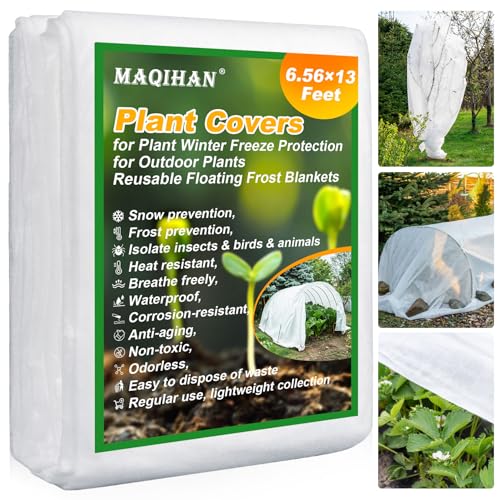
Product Features: Our plant covers are ideal for protecting all plant. Made from premium 1 oz/sq non-woven fabric, their durability and breathability ensuring both insulation against frost and facilitation of sunlight penetration for healthy plant growth
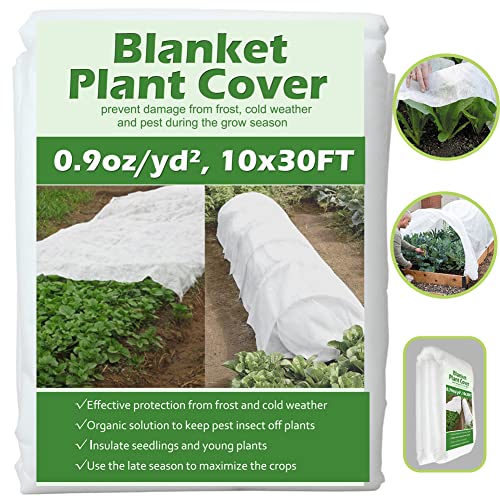
※Big Size to cover large area : The size of our plant cover is 10x30ft, the size can cover large areas. You can cut the plant covers freeze protection into different sizes for different use. You can cover it over the plant such as shrub tomato, pepper, pumpkin, and so on.

THICKER MATERIAL: Our plant freeze protection cover is made of UV stabilized polypropylene. Upgraded thicker 0.9oz./sq.yard lightweight but durable. Soft plant covers are friendly and no harm to your plants. Breathable non-woven fabric allow light, air go through the frost cloths and reach the plants.
Signs of Cold Stress in Carrot Plants
When carrot plants experience cold stress, it can manifest in various ways. Here are some common signs to watch out for:
- Slow Growth: Carrot plants may exhibit stunted growth when exposed to low temperatures.
- Yellowing Leaves: Yellow leaves can indicate that the cold is affecting the plant’s nutrient uptake.
- Wilting Tops: The tops of the carrot plants may begin to wilt, a clear sign of distress.
- Root Damage: You might notice cracked or misshapen roots, which can be a result of cold injury.
- Bolting: Premature bolting, where the plant quickly produces flowers and seeds, can occur due to temperature fluctuations.
To protect your carrot plants from the detrimental effects of cold stress, it’s crucial to monitor temperatures diligently and take preventive measures when needed.
Recommended Products

10 x 30-foot frost protection plant cover for defending plants from light frost, light snow, and mild cold conditions

PACKAGE: The package includes 4Pcs plant covers,will meet your daily use or replacement. Measuring 31.5" x 47.3", the plant protector is waterproof, windproof.

ALL-SEASON PLANT PROTECTION - Safeguard your plants through the harsh winters with our breathable Plant Frost Cover, designed to shield against frost, freezing temperatures, snow, and harsh winds. Extend your growing season into the colder months while ensuring your plants thrive year-round.
How Cold Temperatures Affect Carrot Growth
When temperatures drop below a certain threshold, carrot plants can experience significant negative impacts on their growth and development. Here’s how cold temperatures specifically affect your carrot plants:
- Reduced Growth: Cold temperatures slow down the growth rate of carrot plants, leading to stunted development and potentially smaller yields.
- Yellowing Leaves: Carrots exposed to chilly weather may exhibit yellowing of leaves, a sign of stress caused by the cold.
- Wilting Tops: Carrot tops can wilt when faced with extreme cold, affecting the overall vigor and health of the plant.
- Root Damage: Cold temperatures can damage the delicate carrot roots, impacting nutrient uptake and overall plant health.
- Premature Bolting: In response to cold stress, some carrot plants may exhibit premature bolting, diverting energy away from root development.
To ensure the optimal growth of your carrot plants, it’s crucial to keep an eye on temperatures and take proactive measures to protect them from the adverse effects of cold stress.
Protecting Carrot Plants from Extreme Cold
When temperatures drop to 32°F or below, your carrot plants are at risk. Here’s how you can protect them:
- Mulch: Cover the soil around your carrots with a thick layer of mulch to insulate them against cold temperatures.
- Row Covers: Use row covers to create a protective barrier around your carrot plants and shield them from extreme cold.
- Cold Frames: Consider setting up cold frames to provide additional protection to your carrots during chilly weather.
- Watering: Water your carrots before cold snaps to help stabilize the soil temperature and protect their roots.
Regularly monitoring the weather forecast and taking precautionary measures can go a long way in safeguarding your carrot plants from the harmful effects of extreme cold.
Recommended Products

PRODUCT FEATURES: Our plant covers are ideal for protecting all plant. Made from premium 1.4 oz/sq non-woven fabric, their durability and breathability ensuring both insulation against frost and facilitation of sunlight penetration for healthy plant growth

The Large plant cover is perfect for Plant size 55''-70"high and 84''-94" round, Heavy-weight FRCs (1.77oz./sq. yard): usually used to extend the growing season in spring and fall, allow 40%-60% light transmittance, and recommend 3°-8°F of freeze protection

The small plant cover is perfect for Plant size 16''-23"high and 36''-46" round, Heavy-weight FRCs (1.77oz./sq. yard): usually used to extend the growing season in spring and fall, allow 40%-60% light transmittance, and recommend 3°-8°F of freeze protection
Conclusion
Keep in mind that carrot plants are sensitive to cold temperatures, especially when they dip below 32°F. To protect your carrot plants, consider using methods like mulch, row covers, cold frames, and adjusting watering practices. By staying proactive and monitoring the weather forecast, you can help your carrot plants thrive and stay healthy even during colder periods. Remember, a little preparation can go a long way in ensuring the well-being of your carrot crop.
Frequently Asked Questions
What temperature can pose risks to carrot plants?
Temperatures dropping to 32°F or below can pose risks to carrot plants.
How can carrot plants be protected from extreme cold temperatures?
Carrot plants can be protected by using mulch, row covers, cold frames, and strategic watering.
What are the crucial steps in safeguarding carrot plants from extreme cold?
Regularly monitoring the weather forecast and taking precautionary measures are crucial steps.
Why is protecting carrot plants from extreme cold important?
Protecting carrot plants from extreme cold is important to ensure their optimal growth and health.
