

Have you ever wondered why your lettuce isn’t thriving? The secret often lies in the temperature. Lettuce is a cool-weather crop, and understanding the ideal growing conditions can make all the difference in your garden.
Picture this: you’ve planted your seeds, but they’re struggling to sprout. It’s frustrating, right? Knowing the right temperature range can help you avoid this common gardening pitfall.
In this article, you’ll discover the optimal temperatures for growing lettuce and tips to ensure your greens flourish. Whether you’re a seasoned gardener or just starting out, this information will help you grow crisp, delicious lettuce all season long.
Key Takeaways
- Optimal Temperature Range: Lettuce grows best between 60°F and 70°F (15°C to 21°C), with ideal germination occurring at 65°F to 75°F (18°C to 24°C).
- Growth Stage Considerations: Each growth stage of lettuce has specific temperature requirements; maintaining cooler nighttime temperatures around 50°F (10°C) helps plants recover.
- Impact of Soil Temperature: Soil temperatures should be kept between 65°F and 75°F (18°C to 24°C) for effective seed germination and root development.
- Influence of Ambient Temperature: Excessively high temperatures above 75°F (24°C) can lead to bolting, which results in bitter leaves. Monitor and manage temperatures to prevent stress on seedlings.
- Variety-Specific Preferences: Different lettuce varieties have unique temperature needs; leafy types prefer cooler conditions, while Romaine and Butterhead varieties can handle slightly warmer temperatures.
- Temperature Control Techniques: Use mulching, row covers, shade cloth, and regular watering to maintain optimal soil and ambient temperatures for successful lettuce growth.
Understanding Lettuce Growth Temperature
Lettuce thrives in cooler conditions, making temperature a crucial factor in its growth. Knowing the ideal temperature range helps you cultivate a healthy crop.
Ideal Temperature Range
Lettuce grows best between 60°F and 70°F (15°C to 21°C). Within this range, seeds germinate rapidly, and plants develop strong leaves. At temperatures below 40°F (4°C), growth slows significantly, while above 75°F (24°C), lettuce may bolt, leading to bitter-tasting leaves. To ensure success, consider starting seeds indoors during colder months or using shade cloth during hot spells.
Temperature Effects on Growth Stages
Temperature impacts each stage of lettuce growth.
- Germination: Optimal germination occurs at temperatures around 65°F to 75°F (18°C to 24°C). Cooler or warmer conditions can delay sprouting.
- Seedling Stage: Young lettuce plants prefer temperatures between 60°F and 70°F (15°C to 21°C). Anything above 75°F (24°C) can stress seedlings.
- Mature Growth: During this phase, maintain daytime temperatures around 60°F to 70°F (15°C to 21°C) for vibrant, crunchy leaves. Nights should stay cooler—ideally around 50°F (10°C)—to help the plants recover.
By managing temperature effectively through different growth stages, you increase the chances of a bountiful lettuce harvest.
Factors Influencing Lettuce Growth
Temperature plays a crucial role in growing healthy lettuce. Both soil and ambient temperatures affect growth rates, germination, and overall plant health.
Recommended Products

PRECISE SOIL TEMPERATURE READINGS: Measures soil temperatures from 20 degrees F to 180 degrees F (0 degrees C to 80 degrees C) with a large, easy-to-read analog dial face - no batteries or digital screens needed for reliable results every time

Easy-to-read green, yellow, and red tick marks for easy monitoring
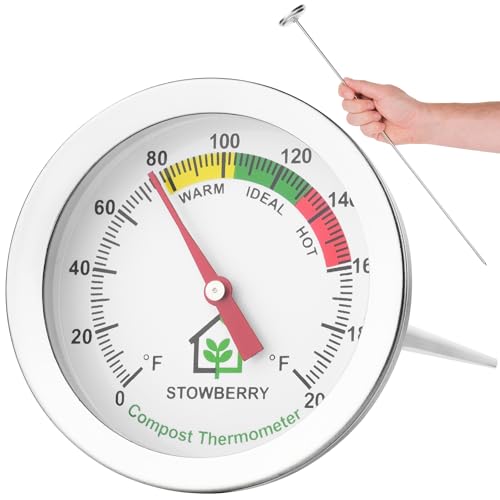
COMPOST THERMOMETER FOR ACCURATE TEMPERATURE MONITORING: Easily track compost temperature levels with this 20 Inch stainless steel probe that reaches deep into piles for precise core readings
Soil Temperature
Soil temperature significantly impacts seed germination and root development. Ideal soil temperatures for lettuce seeds range from 65°F to 75°F (18°C to 24°C). When soil temperatures fall below 50°F (10°C), germination delays occur. You can use a soil thermometer for accurate readings, ensuring your soil stays within the optimal range.
During early spring, soil might be colder. To warm it up, consider using black plastic mulch or row covers. This technique traps heat and helps accelerate germination.
Ambient Temperature
Ambient temperature affects lettuce growth stages directly. Optimal growth occurs when daytime temperatures maintain between 60°F and 70°F (15°C to 21°C). When nighttime temperatures drop to around 50°F (10°C), plants recover efficiently.
Excessively high temperatures, over 75°F (24°C), trigger bolting. This process leads to flower development and bitter-tasting leaves. To combat this, choose heat-tolerant lettuce varieties during warm months.
To monitor temperature effectively, consider using a digital thermometer. You can also relocate pots or use shade cloths to protect plants during extreme heat. Keeping track of temperature fluctuations helps you manage growing conditions better.
Types of Lettuce and Their Temperature Preferences
Temperature significantly affects different types of lettuce. Understanding the specific preferences of each variety helps ensure successful growth and flavorful harvests.
Recommended Products


✓ EFFORTLESS SET UP: Easily program your desired temperature or switch between Fahrenheit and Celsius using just 3 buttons on this temperature controller. Please note: The BN-LINK reptile thermostat controller is intended for heating devices only, such as reptile heating pads, seedling heat mats, and heat lamps.
Leafy Types
Leafy lettuce types, such as Green Leaf and Red Leaf, thrive in cooler temperatures. These varieties prefer daytime temperatures around 60°F to 70°F (15°C to 21°C). Seedlings germinate best at approximately 65°F (18°C). Growth may slow if temperatures exceed 75°F (24°C) or drop below 45°F (7°C). To promote healthy growth, plant these varieties in spring or fall when temperatures are naturally lower.
Romaine and Butterhead Varieties
Romaine and Butterhead lettuces prefer slightly warmer conditions than leafy types. Ideal temperatures for these varieties remain between 65°F and 75°F (18°C to 24°C). Romaine can tolerate a bit of heat but may bolt in extreme conditions above 80°F (27°C). Butterhead thrives best when it experiences cooler nights around 50°F (10°C). Incorporate shade cloth during hot days to help maintain optimal temperatures for these varieties.
Tips for Growing Lettuce Successfully
Growing lettuce successfully requires attention to specific factors. Focusing on season considerations and temperature control techniques helps you cultivate healthy greens.
Recommended Products

Product Features: Our plant covers are ideal for protecting all plant. Made from premium 1 oz/sq non-woven fabric, their durability and breathability ensuring both insulation against frost and facilitation of sunlight penetration for healthy plant growth

※Big Size to cover large area : The size of our plant cover is 10x30ft, the size can cover large areas. You can cut the plant covers freeze protection into different sizes for different use. You can cover it over the plant such as shrub tomato, pepper, pumpkin, and so on.

10 x 30-foot frost protection plant cover for defending plants from light frost, light snow, and mild cold conditions
Season Considerations
Lettuce grows best in cool weather. Early spring and fall are ideal times for planting. During these seasons, temperatures hover around 60°F to 70°F (15°C to 21°C). This range supports optimal germination and growth. Consider using successive planting techniques to ensure fresh harvests throughout these seasons. For instance, sow seeds every two weeks to enjoy continuous yields.
In warmer climates, plant heat-tolerant varieties of lettuce, such as Butterhead or Romaine, during the early morning or late evening to minimize stress from daytime heat. Also, be aware of local frost dates. Protect young seedlings by covering them with row covers if a late frost threatens.
Temperature Control Techniques
Maintaining optimal temperatures is crucial for lettuce health. Use several techniques to control soil and ambient temperatures effectively:
- Mulching: Apply black plastic mulch. This technique warms the soil, promoting faster germination in early spring.
- Row Covers: Use lightweight row covers to shield plants from frost and insulate them during cooler nights. These covers also trap heat during the day, providing a more stable environment.
- Shade Cloth: Implement shade cloth during hot summer months. This cloth protects lettuce from extreme heat and reduces the risk of bolting.
- Thermometers: Monitor temperatures with digital thermometers. Check soil temperatures regularly to ensure they remain within the ideal range of 65°F to 75°F (18°C to 24°C).
- Watering: Water regularly, especially during hot days. This process cools the plants and maintains soil moisture. Aim for an inch of water per week, adjusting based on rainfall.
Applying these tips creates a conducive environment for lettuce growth, enabling you to enjoy a bountiful harvest.
Conclusion
Growing lettuce successfully means paying attention to temperature. By sticking to the ideal ranges and using some handy techniques to manage conditions, you can enjoy a thriving crop. Remember that timing your planting and choosing the right varieties can make all the difference.
With a little care and the right approach, you’ll be well on your way to harvesting fresh, delicious lettuce right from your garden. Happy gardening and enjoy those crisp salads!
Frequently Asked Questions
What temperature is best for growing lettuce?
Lettuce grows best between 60°F and 70°F (15°C to 21°C). This temperature range supports quick seed germination and robust leaf development.
How does temperature affect lettuce germination?
Optimal germination occurs at 65°F to 75°F (18°C to 24°C). Temperatures below 50°F (10°C) can significantly delay germination, while excessive heat can hinder growth.
What types of lettuce prefer cooler temperatures?
Leafy varieties like Green Leaf and Red Leaf thrive in cooler temperatures, ideally between 60°F and 70°F (15°C to 21°C).
Can lettuce grow in warmer temperatures?
Yes, certain varieties like Romaine and Butterhead can tolerate warmer conditions, but they may bolt in extreme heat over 80°F (27°C).
What techniques can help maintain ideal soil temperature for lettuce?
Using black plastic mulch or row covers can effectively increase soil temperatures in early spring, promoting better seed germination and growth.
How can I protect lettuce from frost?
Row covers provide frost protection and can help maintain a stable growing temperature for lettuce during colder nights.
What should I do if seedlings struggle in the heat?
Consider using shade cloth during particularly hot days and ensure consistent watering to keep the plants cool and hydrated.
When is the best time to plant lettuce?
Plant lettuce during early spring and fall when temperatures are generally cooler, favoring optimal growth conditions for this cool-weather crop.
