

Have you ever wondered what the secret is to growing juicy, flavorful tomatoes right in your own backyard? Picture this: you’re standing in your garden, envisioning rows of vibrant tomato plants thriving under the sun. But wait, what’s the best container to plant your tomatoes in for optimal growth and yield?
Key Takeaways
- Choose a container size of at least 5 gallons for optimal tomato plant growth.
- Consider material options like plastic, terracotta, fabric bags, or wooden crates for different benefits and considerations.
- Select the right soil mix – commercial potting mixes or homemade blends – to provide essential nutrients and promote healthy root development.
- Plant tomatoes deep in the soil up to their first set of leaves and space them 18-24 inches apart for proper growth.
- Ensure containers have drainage holes, use quality soil mix, fertilize appropriately, and maintain a consistent watering schedule for thriving container-grown tomatoes.
Choosing the Right Container for Tomatoes
When selecting a container for your tomato plants, it’s essential to consider the size and material options available. Here’s what you need to know:
Recommended Products

[Heavy-Duty Grow Bags]: These heavy-duty grow bags are made from upgraded 300G BPA-free nonwoven fabric, offering superior strength, tear resistance, and long-term reuse

Premium Quality Material: Our grow bags are made of 300g of thickened nonwoven fabric. It is extra durable, breathable, and designed to last for multiple growing seasons

Innovative Self-Watering: A 1-gallon reservoir reduces watering frequency while continuously supplying the moisture plants need. The rigid stand keeps soil elevated, preventing waterlogging for a low-maintenance growing experience.
Size Considerations
For optimal growth, choose a container that provides enough room for your tomato plant’s roots to spread out. A general guideline is to select a container with a minimum capacity of 5 gallons (18.9 liters) per plant. Larger varieties of tomatoes may require even more space, so ensure the container is spacious enough to accommodate the specific type you intend to grow.
Material Options
When it comes to materials, there are several options available for tomato plant containers. Each material has its advantages and considerations:
- Plastic: Lightweight and affordable, plastic containers are easy to move around but can retain heat, requiring adequate insulation in hotter climates.
- Terracotta: Known for its classic look, terracotta pots offer good airflow and moisture regulation but can be heavy and prone to drying out quickly.
- Fabric Bags: These breathable bags promote air pruning of roots, prevent over-watering, and are easily portable. However, they may degrade over time and need replacement.
- Wooden Crates: Rustic wooden crates provide ample space for root growth but should be lined with plastic or fabric to prevent wood rot from excessive moisture exposure.
Consider these factors when choosing the right container for your tomatoes to ensure healthy growth and bountiful harvests.
Best Soil Mixes for Tomato Plants
When it comes to growing healthy and productive tomato plants, the soil mix you choose plays a crucial role in their development. Whether you opt for commercial potting mixes or prefer homemade soil blends, selecting the right one can significantly impact your tomato plant’s growth and fruit yield.
Recommended Products

ALL-NATURAL MIX: Burpee Organic Premium Potting Mix is formulated with plant food & coconut coir to promote seed & root growth and healthy flower, vegetable & herb plants. OMRI Listed for organic use.
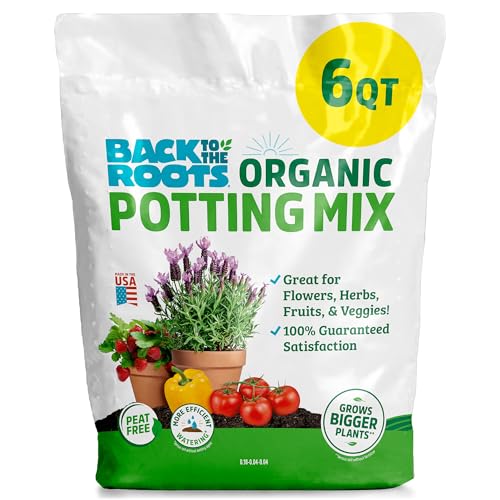
Includes 6qt of Back to the Roots Premium Blend Potting Mix. 100% Organic and Peat-Free, made from upcycled plant matter and wood fines from across the U.S. No imported peat, just better soil with a lighter carbon footprint.

FEEDS UP TO 6 MONTHS: Miracle-Gro Potting Mix is a gardening soil for outdoor containers that feeds all types of potted plants, including flowers, vegetables, shrubs, annuals, and perennials for up to 6 months
Commercial Potting Mixes
Commercial potting mixes are convenient options that provide a well-balanced blend of nutrients essential for tomato plants’ growth. These mixes are specially formulated to promote healthy root development, moisture retention, and adequate drainage. Look for potting mixes labeled specifically for tomatoes or vegetables to ensure they meet the plants’ specific needs.
Some popular commercial potting mixes suitable for tomatoes include:
- Miracle-Gro Performance Organics All Purpose Container Mix: This mix is enriched with organic matter to support strong root growth and contains natural ingredients like sphagnum peat moss and composted bark.
- Espoma Organic Potting Mix: An organic option that is free from synthetic chemicals, this mix promotes moisture retention while providing essential nutrients through its blend of peat moss, perlite, and humus.
- FoxFarm Ocean Forest Potting Soil: Known for its high-quality ingredients such as aged forest products, sandy loam, and sphagnum peat moss, this mix offers excellent aeration and drainage properties ideal for tomatoes.
Homemade Soil Mixes
Creating your own soil mix gives you control over the ingredients used and allows you to tailor the blend to suit your tomato plants’ specific requirements. Homemade soil mixes can be cost-effective while ensuring that your plants receive customized care based on their individual needs.
A basic homemade soil mix recipe suitable for tomatoes may include:
- 1 part Peat Moss: Provides moisture retention and improves soil structure.
- 1 part Compost: Adds essential nutrients necessary for plant growth.
- 1 part Perlite or Vermiculite: Enhances drainage to prevent waterlogging around the roots.
Mix these components thoroughly in a large container before using them to fill your planting containers or garden beds. Adjust the ratios based on your plant’s preferences regarding moisture levels and nutrient requirements.
Proper Planting Techniques
When planting tomatoes, it’s crucial to pay attention to the depth and spacing of your plants in order to ensure optimal growth and yield. Here are some tips to help you plant your tomatoes effectively:
Depth and Spacing for Tomato Plants
Plant your tomato seedlings deep into the soil, burying them up to their first set of leaves. This encourages strong root development, leading to healthier plants. Ensure a spacing of at least 18-24 inches between each plant to allow for proper air circulation and sunlight exposure.
- Container Size: Choose a container that is at least 5 gallons in volume to provide ample space for root growth.
- Drainage Holes: Ensure that your container has adequate drainage holes at the bottom to prevent waterlogging, which can lead to root rot.
- Quality Soil Mix: Use a well-draining potting mix rich in organic matter for optimal tomato growth. Consider adding perlite or vermiculite for improved aeration.
- Fertilization: Incorporate a balanced fertilizer into the soil mix before planting or opt for slow-release fertilizers to provide nutrients gradually throughout the growing season.
- Watering Schedule: Water your container-grown tomatoes regularly, ensuring that the soil remains consistently moist but not waterlogged.
By following these proper planting techniques, you can set your tomato plants up for success and enjoy a bountiful harvest of delicious homegrown tomatoes.
Ongoing Care for Container-Grown Tomatoes
To ensure your container-grown tomatoes thrive, here are essential care tips to follow:
Watering Requirements
Consistent watering is crucial for container-grown tomatoes. Check the soil moisture by inserting your finger into the soil up to the first knuckle. If it feels dry, it’s time to water. Aim to keep the soil consistently moist but not waterlogged. Overwatering can lead to root rot, while underwatering can result in stunted growth and blossom-end rot.
Nutrient and Fertilizer Needs
Container-grown tomatoes require regular feeding to support healthy growth and abundant fruit production. Consider using a balanced fertilizer specifically formulated for tomatoes or a general-purpose organic fertilizer. Follow the instructions on the product packaging for proper application rates and frequency. Additionally, supplement with calcium-rich fertilizers like crushed eggshells or calcium nitrate to prevent blossom-end rot.
By monitoring watering schedules and providing adequate nutrients, you’ll set your container-grown tomato plants on the path to success, ensuring a bountiful harvest of delicious homegrown tomatoes.
Conclusion
Choosing the right container for your tomato plants is crucial for their growth and success. Whether you opt for plastic, terracotta, fabric bags, or wooden crates, each option offers unique advantages. When it comes to soil mixes, both commercial and homemade blends have their perks. From Miracle-Gro Performance Organics to FoxFarm Ocean Forest Potting Soil or your DIY mix of peat moss, compost, and perlite – the choice is yours. Remember to plant your tomatoes properly by considering depth, spacing, container size, drainage holes, soil quality, fertilization, and watering routine. Maintain consistent care with adequate watering, balanced fertilizers, and calcium-rich supplements to enjoy a bountiful harvest of flavorful homegrown tomatoes. Happy gardening!
Frequently Asked Questions
What are the key factors to consider when selecting a container for growing tomatoes?
Choose a container size of at least 5 gallons, made of plastic, terracotta, fabric bags, or wooden crates. Ensure it has drainage holes and enough room for root growth.
What are the benefits of using commercial potting mixes for tomato plants?
Commercial mixes like Miracle-Gro Performance Organics and Espoma Organic Potting Mix offer balanced nutrients crucial for tomato growth and development.
How can homemade soil mixes benefit tomato plants?
Homemade mixes with peat moss, compost, and perlite allow customization based on plant needs, enhancing growth and fruit yield effectively.
What are some important planting techniques to follow when growing tomatoes in containers?
Plant tomatoes at the right depth with proper spacing in a container that has good drainage, quality soil mix, regular fertilization, and a consistent watering schedule.
