

Have you ever wondered why romaine lettuce seems to be in the news so often? If you’re a fan of salads or just trying to eat healthier, you might’ve noticed some changes in availability and safety warnings. It’s not just about your favorite crunchy greens; there’s a lot happening behind the scenes that affects what ends up on your plate.
In this article, you’ll get the scoop on the current state of romaine lettuce, from safety concerns to supply issues. Understanding these factors can help you make better choices for your meals. So let’s explore what’s going on and how it impacts your next salad.
Key Takeaways
- Contamination Risks: Romaine lettuce has been frequently linked to contamination outbreaks (like E. coli and Salmonella) that affect consumer safety and result in product recalls.
- Supply Chain Issues: Extreme weather, labor shortages, and transport delays contribute to the availability and fluctuating prices of romaine lettuce in the market.
- Consumer Safety Practices: To minimize risks, always wash romaine lettuce under running water, inspect labels for safety certifications, and be aware of recent recalls.
- Importance of Awareness: Staying informed about the sources and safety of romaine lettuce is vital; regularly check health and agricultural websites for updates.
- Industry Efforts: Farmers and regulators are implementing stricter safety measures, including better crop practices, enhanced reporting requirements, and improved traceability systems to ensure product safety.
Overview Of Romaine Lettuce Issues
Romaine lettuce has faced several challenges recently, impacting its availability and safety. Key issues revolve around contamination, supply chain disruptions, and consumer concerns.
Contamination Outbreaks
Contamination outbreaks often involve pathogens like E. coli and Salmonella. In 2021, an E. coli outbreak traced back to romaine lettuce affected multiple states, leading to widespread recalls. Always check for recent advisories from the CDC or FDA for updates.
Supply Chain Disruptions
Supply chain disruptions hinder the availability of romaine lettuce. Factors include extreme weather events, labor shortages, and transportation delays. As a result, prices can fluctuate significantly, making it more difficult for grocers and consumers alike to find fresh romaine.
Consumer Concerns
Consumer concerns about the safety of romaine lettuce influence purchasing decisions. Many people express hesitation due to frequent recalls. To mitigate risk, consider buying lettuce from reputable sources that follow strict safety protocols. Proper washing before consumption also helps reduce potential contamination.
- Stay Informed: Regularly check official agricultural and health websites for news on romaine lettuce safety.
- Inspect Labels: Look for product labels indicating the origin and safety certifications.
- Rinse Thoroughly: Always wash romaine lettuce under running water, even if it’s pre-packaged.
By understanding these factors, you can make safer choices when consuming romaine lettuce.
Recent Health Concerns
Romaine lettuce has faced significant health concerns recently, particularly relating to contamination issues. Being aware of these issues helps you make informed choices when purchasing and consuming romaine lettuce.
Recommended Products


The Best Value - Organo Republic Lettuce Romaine Seeds Pack contains 3 g or 2,600 Non-GMO heirloom lettuce seeds. Romaine Lettuce (Lactuca sativa longifolia) is known for its deeply lobed leaves and tender texture, making it the perfect addition to fresh vegetable salads or culinary creations.

COMPLETE VARIETY PACK: Eight popular lettuce seeds including Buttercrunch, Romaine, Iceberg, Bibb, Red Oakleaf, Prizehead, plus Kale and Spinach; Perfect lettuce seeds for planting outdoors or in hydroponic systems
Outbreaks Overview
Romaine lettuce has been linked to multiple recent outbreaks involving harmful pathogens like E. coli and Salmonella. For instance, an outbreak in late 2022 affected numerous states, leading to hospitalizations and prompting recalls. The Centers for Disease Control and Prevention (CDC) reported specific brands and harvest dates involved in these outbreaks, emphasizing the importance of staying updated on safe sources.
Causes of Contamination
Contamination primarily occurs at several points in the supply chain. Factors include:
- Agricultural Practices: Improper handling during farming, including using contaminated water for irrigation, can introduce pathogens to lettuce crops.
- Processing and Packaging: Contamination can occur during washing, cutting, and packaging. Equipment that’s not properly sanitized can harbor bacteria.
- Transportation: Poor hygiene practices during transport can also lead to contamination. Maintaining clean environments is crucial throughout the journey to grocery stores.
- Consumer Handling: Cross-contamination can happen at home if raw lettuce comes into contact with unwashed surfaces or utensils.
By understanding these contamination causes, you can take steps to minimize risk, such as thoroughly washing romaine lettuce and using separate cutting boards for different food types.
Consumer Awareness
Staying informed about romaine lettuce is crucial for your safety. Awareness of contamination risks and best practices can significantly reduce your chances of illness.
Identifying Safe Romaine Lettuce
Look for romaine lettuce with clear labels indicating source and harvest dates. Avoid products associated with recent recalls. Examine the leaves; fresh romaine should have a crisp texture and vibrant color without browning edges or slimy spots. Check for packaging that protects the lettuce from contamination. Trust brands that adhere to safety certifications and guidelines set by authorities like the FDA.
- Wash Hands Before Handling: Before you touch any food, always wash your hands with soap and water for at least 20 seconds.
- Rinse Romaine Under Cold Water: Rinse romaine lettuce thoroughly under cold running water, even if the package says it’s pre-washed.
- Use Clean Utensils and Cutting Boards: Always use clean cutting boards, preferably separate ones for vegetables and meat, to avoid cross-contamination.
- Store Properly: Keep romaine lettuce refrigerated at or below 40°F (4°C) to maintain freshness and safety. Use it within a week for best quality.
- Check for Signs of Spoilage: Toss out any romaine that looks wilted, has an off smell, or shows signs of spoilage.
By following these steps and staying updated on safety guidelines, you can enjoy romaine lettuce in your meals with greater confidence.
Industry Response
Industry players are actively addressing ongoing challenges regarding romaine lettuce to ensure safety and availability.
Recommended Products

Plant Identification: Little Gem Lettuce with scientific name Lactuca Sativa, a romaine butterhead type variety with crinkled leaves Growing Conditions: Thrives in full sun...
Measures Taken by Farmers
Farmers are adopting stricter safety protocols to enhance the quality of romaine lettuce. Practices include implementing more robust crop rotation methods to reduce pathogen risks, improving irrigation techniques to minimize contamination, and increasing employee training on hygiene standards. Many farmers regularly test soil and water for contaminants, ensuring they meet health guidelines before harvest. By tracking harvest dates more meticulously, they help consumers select safer products.
Regulations Implemented
Regulations surrounding romaine lettuce have tightened. The Food and Drug Administration (FDA) now requires more comprehensive reporting from growers about pesticide usage and soil health. Traceability systems have been enhanced to track romaine lettuce from farm to table. These regulations aim to identify contamination sources swiftly and offer timely responses to outbreaks. Compliance inspections have become more frequent, reinforcing adherence to safety protocols throughout the supply chain.
Conclusion
Staying informed about romaine lettuce is key to making safe choices for your meals. With ongoing safety concerns and supply chain challenges it’s understandable to feel hesitant.
By following the tips shared and keeping an eye on recalls you can enjoy romaine lettuce without worry. Remember that farmers and regulators are working hard to improve safety measures so you can feel confident in your purchases.
Keep those fresh salads coming while being mindful of the sources you choose. Your health and peace of mind are worth it.
Frequently Asked Questions
Recommended Products
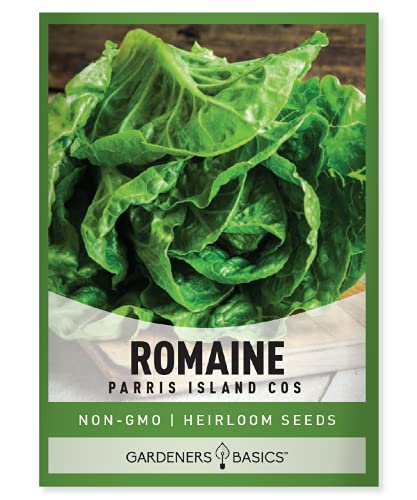
Grow crisp Parris Island Cos romaine with upright green leaves, sturdy ribs, and a mild flavor. A classic choice for salads, lettuce wraps, sandwiches, and fresh harvests from your own garden.

Red Romaine: Features vibrant red-tinged leaves with green bases, offering a mild, slightly sweet flavor and crisp texture ideal for salads and garnishes.
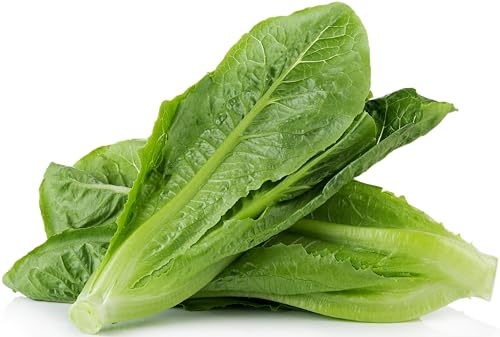
Romaine lettuce safety concerns primarily stem from contamination outbreaks involving pathogens like E. coli and Salmonella. These can lead to serious health issues, prompting recalls and hospitalizations. Consumers should stay informed about recent recalls reported by the CDC and follow safe handling practices.
Why does romaine lettuce availability fluctuate?
Romaine lettuce availability can fluctuate due to several factors, including weather-related disruptions, labor shortages, transportation delays, and contamination concerns. These challenges impact supply chains, leading to inconsistent availability and price changes in the market.
How can consumers safely handle romaine lettuce?
To handle romaine lettuce safely, wash hands before handling, rinse the leaves under cold water, use clean utensils and cutting boards, and store it properly in the refrigerator. Additionally, check for signs of spoilage and keep updated on any relevant recalls.
What should I look for to identify safe romaine lettuce?
When selecting romaine lettuce, look for clear labels displaying safe sources, avoid brands linked to recalls, and examine the freshness of the leaves. Fresh, crisp leaves are usually a good indicator of quality and safety.
What measures are being taken to improve romaine lettuce safety?
Farmers are enhancing safety by implementing stricter protocols, including improved irrigation and crop rotation techniques, rigorous employee training on hygiene, and regular testing for contaminants. Regulations and compliance inspections have also increased to ensure better safety practices throughout the supply chain.
