

Ever wondered how deep the roots of your romaine lettuce really go? If you’ve tried growing this crisp green at home, you might’ve faced challenges with wilting or poor growth. Understanding root depth can be a game-changer for your gardening success.
Key Takeaways
- Romaine lettuce roots typically reach depths of 12 to 18 inches, which is crucial for nutrient and moisture absorption.
- Soil type, watering practices, fertilization, and plant density significantly affect root growth and overall plant health.
- Selecting the right romaine variety can influence root depth; options include Paris Island Cos, Little Gem, and Butterhead Romaine.
- Deep roots enhance nutrient uptake and improve soil erosion prevention, contributing to sustainable gardening.
- Optimal soil preparation and consistent watering practices are essential for promoting robust root systems in romaine lettuce.
Understanding Romaine Lettuce Root Structure
Romaine lettuce has a distinctive root structure that plays a crucial role in its growth and vitality. Understanding this structure helps you cultivate healthier plants and maximize yields.
Importance of Root Depth
Root depth significantly impacts the plant’s ability to absorb nutrients and moisture. Healthy romaine lettuce roots can reach depths of 12 to 18 inches. Deep roots allow better access to water, reducing the chances of wilting during dry conditions. Additionally, a robust root system supports overall plant stability and prevents toppling from wind or heavy rainfall.
Factors Affecting Root Growth
Several factors influence how deep romaine lettuce roots grow. Awareness of these elements can enhance your gardening success.
- Soil Type: Well-drained, loose soils promote deeper root growth. Sandy or loamy soils allow roots to expand more easily than heavy clay soils.
- Watering Practices: Consistent watering encourages root development. Overwatering can lead to root rot, while underwatering can stunt growth.
- Fertilization: Balanced fertilization supports healthy root structure. Too much nitrogen may encourage leafy growth at the expense of root development.
- Plant Density: Overcrowding can limit root expansion. Give each romaine plant ample space to grow, typically 12 to 18 inches apart.
Understanding these factors allows you to create an environment where your romaine lettuce thrives. Adjust your gardening practices to promote deeper, healthier roots for improved growth.
Average Depth of Romaine Lettuce Roots
Romaine lettuce roots typically reach an average depth of 12 to 18 inches. This depth supports efficient nutrient uptake and water absorption, vital for healthy plant growth.
Recommended Products

Saves time and labor on plant watering

Grows Bigger Harvests: Enriched with nutrients and continuous-release plant food to feed vegetables and herbs for up to 3 months—results in bigger, more bountiful harvests vs. unfed plants

Reduces plant waterings by 50-percent
Varieties of Romaine Lettuce
Different romaine lettuce varieties can impact root depth and growth patterns. Some common varieties include:
- Paris Island Cos: Known for its sturdy roots, this variety thrives in deep, well-drained soil.
- Little Gem: Features a compact root system, making it suitable for smaller garden spaces.
- Butterhead Romaine: These roots tend to be shallower, around 8 to 12 inches, but are still effective for nutrient absorption.
Selecting the right variety can influence the depth of roots and overall health of the plants.
Soil Conditions and Their Impact
Soil conditions greatly affect the depth of romaine lettuce roots. Key factors include:
- Soil Type: Loose, sandy loam promotes deeper roots due to better drainage. Clay soils can restrict root growth.
- Moisture Levels: Consistent moisture encourages roots to grow deeper. Overwatering or drought can stunt root development.
- pH Level: A pH between 6.0 and 7.0 is ideal. Outside this range, nutrient availability decreases, limiting root growth.
- Organic Matter: Adding compost enhances soil structure and provides nutrients, supporting deeper root systems.
Investing time in soil preparation lays the foundation for robust root growth in romaine lettuce.
Benefits of Deep Roots in Romaine Lettuce
Deep roots in romaine lettuce offer several advantages, including enhanced nutrient uptake and improved soil erosion prevention.
Recommended Products
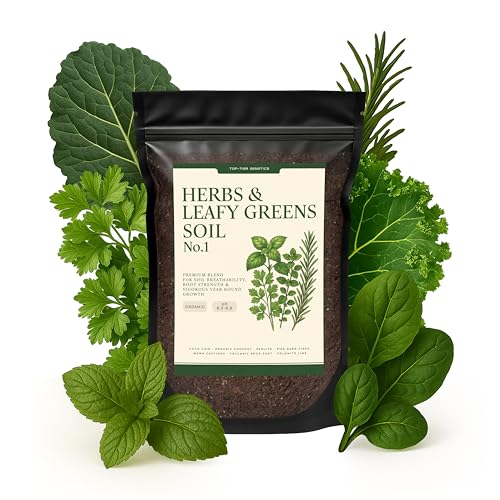
✔ VERSATILE BLEND: Premium potting mix specifically formulated for growing herbs and leafy greens indoors with optimal drainage and aeration
✔ VERSATILE BLEND: Premium potting mix specifically formulated for growing herbs and leafy greens indoors with optimal drainage and aeration

High Germination Rate: Enjoy a plentiful harvest with our Romaine Lettuce seed pod featuring excellent germination. Fresh, reliable seeds sourced from USA ensure quick sprouting and healthy growth.
Nutrient Uptake
Deep roots allow romaine lettuce plants to access essential nutrients from various soil layers. The more extensive the root system, the better the plant can absorb nitrogen, phosphorus, and potassium. These nutrients support overall growth and leaf development. For example, if your romaine has roots extending 18 inches deep, it can reach nutrients unavailable to plants with shallower roots. This capability translates to healthier, more vigorous plants and may lead to higher yields at harvest.
Soil Erosion Prevention
Deep roots help stabilize soil and prevent erosion. By extending into the ground, these roots bind soil particles together, reducing the likelihood of runoff. When rain or irrigation occurs, well-established roots can hold the soil in place. For instance, in areas prone to heavy rainfall, romaine lettuce with deep roots can help maintain soil integrity, protecting your garden from nutrient loss and structure damage. This benefit also contributes to sustainable gardening practices, allowing you to grow romaine lettuce while preserving the surrounding environment.
Tips for Growing Romaine Lettuce
Growing romaine lettuce successfully requires attention to soil and watering practices. Implement these tips for optimal results.
Recommended Products

We grow a variety of edible seasonal seedlings (aka plugs/starts/transplants) that will flourish in your soil or hydroponic garden.

Heirloom Non-GMO Seeds: seed pod kit contains 6 kinds of lettuce seeds, they are Red&Green Leaf Lettuce, Romaine, Butter Head, Bibb Lettuce, Boston Lettuce, Buttercrunch Lettuce. Various kinds of lettuce seeds, each one is rich in nutritional value. 100% Non-GMO, open pollinated

Heirloom Non-GMO Seeds: The seed pod kit contains 6 kinds of lettuce seeds, they are Red&Green Leaf Lettuce, Romaine, Butter Head, Black Seeded Simpson, Red Sail, Marvel of 4 Seasons. Various kinds of lettuce seeds, each one is rich in nutritional value. 100% Non-GMO, open pollinated
Optimal Soil Preparation
- Choose Well-Drained Soil: Select loamy or sandy soil for romaine lettuce to ensure good drainage. Compacted or clay-heavy soils can hinder root growth and oxygen access.
- Test Soil pH: Aim for a pH between 6.0 and 7.0. Adjust soil pH using lime to raise it or sulfur to lower it, enhancing nutrient availability.
- Incorporate Organic Matter: Mix compost or well-rotted manure into the soil. This improves fertility and offers essential nutrients for robust root development.
- Till the Soil: Loosen the top 12 inches of soil before planting. Tilling encourages root expansion and enhances soil structure.
- Create Raised Beds: Consider raised beds to improve drainage and soil warmth, contributing to faster germination and healthy growth.
- Water Deeply and Infrequently: Ensure your lettuce receives 1 to 1.5 inches of water weekly, either through rain or irrigation. Deep watering promotes deep root growth.
- Check Soil Moisture: Use your finger to test soil dampness an inch below the surface. If it feels dry, it’s time to water.
- Water Early or Late: Water your lettuce in the morning or late afternoon. This minimizes evaporation and allows leaves to dry, preventing disease.
- Drip Irrigation: Consider using drip irrigation to deliver water directly to the roots. This technique conserves water and reduces leaf wetness, lowering disease risk.
- Mulch Around Plants: Apply a layer of straw or wood chips around your romaine lettuce. This retains soil moisture, regulates temperature, and deters weeds.
Conclusion
Understanding how deep romaine lettuce roots go can really transform your gardening experience. By focusing on root development you’re setting the stage for healthier plants and a more bountiful harvest. Implementing the tips shared will help you cultivate a thriving garden.
Remember that healthy root systems not only benefit your romaine lettuce but also contribute to the overall health of your garden. With the right soil conditions and watering practices you’ll be well on your way to enjoying delicious homegrown lettuce. Happy gardening!
Frequently Asked Questions
What is the importance of understanding romaine lettuce root structures?
Understanding romaine lettuce root structures is crucial as it influences nutrient uptake and water absorption. Healthy root systems allow for deeper growth, enhancing the plant’s ability to thrive in various soil conditions.
How do different romaine lettuce varieties affect root development?
Different romaine lettuce varieties can have varied root structures, which impact their growth. Selecting a variety suited to your local conditions can optimize root depth and overall plant health.
How can I prepare soil for growing romaine lettuce?
To prepare soil for romaine lettuce, choose well-drained soil, test the pH, and incorporate organic matter. Tilling the soil and creating raised beds also help ensure healthy root development.
What are the best watering practices for romaine lettuce?
For romaine lettuce, deep and infrequent watering is recommended. Check soil moisture regularly, water in the early morning, use drip irrigation, and apply mulch to maintain consistent moisture and promote healthy growth.
How can deep roots benefit romaine lettuce plants?
Deep roots in romaine lettuce enhance nutrient uptake, improve drought resistance, reduce soil erosion, and support sustainable gardening practices, contributing to a healthier and more productive crop.
