

Ever opened your fridge to find wilted lettuce staring back at you? It’s a common problem that can be frustrating, especially when you’ve just bought a fresh head. You want to enjoy those crisp greens, but they seem to spoil faster than you can use them.
Key Takeaways
- Optimal Temperature: Store lettuce in the fridge at temperatures between 32°F and 36°F to minimize spoilage and maintain freshness.
- High Humidity Levels: Aim for humidity levels around 85% to 95% to prevent wilting; consider using perforated plastic bags or damp paper towels to retain moisture.
- Whole Lettuce Storage: Keep lettuce whole rather than pre-cut to extend shelf life. Wash and dry properly before storage to reduce moisture and prevent rot.
- Ethylene Gas Awareness: Avoid storing lettuce near ethylene-producing fruits like apples and bananas, as this gas accelerates spoilage.
- Regular Inspections: Check stored lettuce regularly for signs of decay and remove spoiled leaves to prevent them from affecting the healthy ones.
- Use of Airtight Containers: Utilize airtight or specialized produce keepers to protect lettuce from air exposure while maintaining proper moisture and airflow.
What Keeps Lettuce Fresh Longer: An Overview
Lettuce freshness depends on several key factors, including storage techniques, environmental conditions, and proper handling.
Ideal Storage Conditions
- Temperature: Keep lettuce in the fridge between 32°F and 36°F. This temperature range slows down spoilage.
- Humidity: Maintain high humidity levels to prevent wilting. Use perforated plastic bags to retain moisture without trapping excessive water.
Proper Handling Techniques
- Wash and Dry: Rinse lettuce gently under cold water. Use a salad spinner to remove excess moisture, which helps prevent spoilage.
- Store Untouched: Avoid tearing or cutting lettuce before storage. Whole leaves stay fresh longer than chopped ones.
Use of Ethylene Gas
- Separate Ethylene Producers: Keep lettuce away from fruits like apples and bananas that produce ethylene gas. This gas accelerates spoilage.
Quick Consumption Tips
- Plan Ahead: Buy lettuce based on your intended consumption timeline to avoid excess spoilage. For instance, use leafy greens within a week of purchase.
- Opt for Fresh Varieties: Choose crisp lettuce varieties, such as romaine or iceberg, known for their longer shelf life.
Regular Checks
- Inspect Periodically: Check stored lettuce for any signs of decay. Remove spoiled leaves promptly to prevent spreading to healthy leaves.
- Use Produce Keepers: Invest in containers designed to extend the life of fresh produce. These often regulate moisture and airflow.
By following these guidelines, you can significantly prolong the freshness of your lettuce, enabling you to enjoy crisp, healthy greens longer.
Factors Affecting Lettuce Freshness
Understanding the factors that influence lettuce freshness can help you maintain the quality of your greens for longer periods. Key considerations include temperature control and humidity levels.
Recommended Products
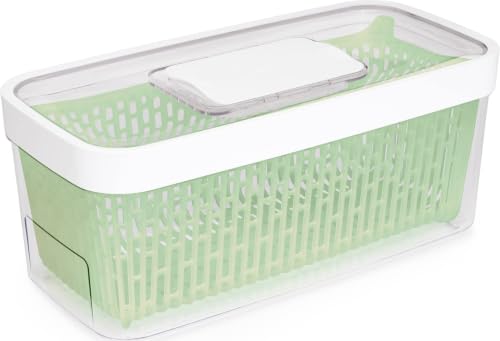
GreenSaver Produce Keeper prevents fruits and vegetables from spoiling too quickly

Keep your produce fresh for longer: The PrepSolutions Lettuce Keeper keeps your produce fresh with an adjustable air vent and water reservoir, creating the ideal environment for fresh fruits and vegetables. Item measures 12.5" W x 7.25" D x 5.25" H and weighs 1.14 lbs.

𝐊𝐞𝐞𝐩𝐬 𝐕𝐞𝐠𝐞𝐭𝐚𝐛𝐥𝐞𝐬 𝐅𝐫𝐞𝐬𝐡 𝐋𝐨𝐧𝐠𝐞𝐫: The Home-X salad keeper for refrigerator is designed to preserve the freshness of lettuce, broccoli, cauliflower, and more. It creates an ideal cold, moist storage environment to help your vegetables stay crisp and fresh for longer periods.
Temperature Control
Lettuce thrives in cool environments. Maintaining a refrigerator temperature between 32°F and 36°F is crucial for preserving freshness. At temperatures above 40°F, lettuce begins to wilt and lose its crispness quickly.
Store lettuce in the vegetable drawer of your fridge, which typically offers a more stable temperature. Avoid placing it near heat sources or frequently opened doors. For extended freshness, consider using a temperature monitoring device in your fridge to ensure optimal conditions.
Humidity Levels
High humidity levels prevent lettuce from drying out and wilting. Aim for a relative humidity of around 85% to 95% when storing lettuce. If your refrigerator lacks humidity, consider wrapping the lettuce in a damp paper towel before placing it in a plastic bag.
Alternatively, use a produce keeper designed to maintain moisture and airflow. These containers help regulate the humidity around your lettuce, reducing the risk of decay while keeping it crisp. Regularly check the moisture levels; if the towel feels dry, re-dampen it slightly.
Best Storage Methods for Lettuce
To keep lettuce fresh longer, utilize effective storage methods that maintain optimal conditions. Implement these techniques for maximum freshness.
Refrigeration Techniques
Store lettuce in the fridge at temperatures between 32°F and 36°F. This cool range minimizes wilting and spoiling. Place lettuce in the vegetable drawer, where humidity levels are higher. Keep it whole instead of pre-cut. If you must wash it, dry it thoroughly before storage. Wrap it loosely in a damp paper towel to maintain moisture. Regularly check for any wilting or decay and remove any affected leaves to prolong freshness.
Using Airtight Containers
Use airtight containers to protect lettuce from air exposure and moisture loss. Choose containers that allow some airflow, like produce keepers with ventilation holes. Alternatively, stack greens in a container lined with paper towels to absorb excess moisture. Keep the lid slightly ajar for airflow. This method also prevents lettuce from absorbing odors from other fridge contents, keeping it crisp and fresh longer.
Tips for Extending Lettuce Freshness
You can keep lettuce fresh longer with a few simple strategies. These methods enhance storage conditions and preparation techniques.
Recommended Products

Can be used with economy regular paper towels
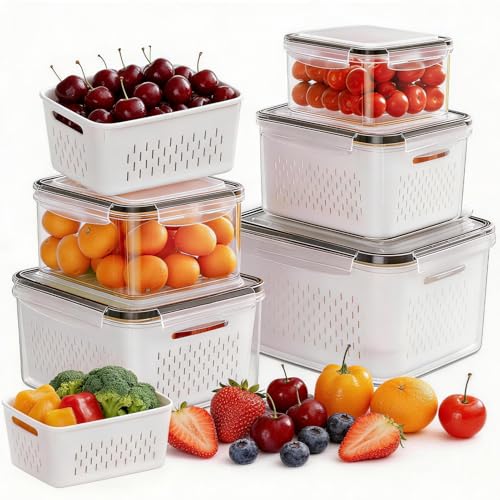
🍓【5 Pack Fruit Storage Set】 More Thicker fruit containers for fridge set include 5 pack of X-Large size 140 OZ(4.15L) + large size 106 OZ (3.15L) + medium size 57 OZ(1.7L) + small size 27 OZ(0.8L) +mini size 13 OZ(0.38L). The produce storage baskets are combined soaking, washing, draining and storage functions, makes your life easier. Various capacities can storage perfectly fit for most fruits, veggies and other food

【8 Pack Fruit Storage Set】 Fruit storage containers for fridge includes include 8 pack of large size 3.3QT (3.15L) * 2 + medium size 1.8QT(1.7L) * 2 +small size 0.85QT(0.8L) * 2+ mini size 0.4QT(0.38L) * 2. Various capacities perfect for most fruit, vegetable, lettuce, berry, cereal, meat, produce and other food storage
Seasonal Considerations
Adjust your storage approach based on the season. In warm weather, check moisture levels more frequently. Heat can dry lettuce quickly. In contrast, during colder months, higher humidity levels may maintain freshness. Use a damp paper towel to wrap the lettuce in winter. This helps prevent wilting and keeps greens crisp.
Preparing Lettuce for Storage
Preparing lettuce properly before storage is essential for maximizing freshness. Follow these steps:
- Wash Lettuce: Rinse lettuce under cold water to remove dirt and pesticides. This cleaning process prevents spoilage.
- Dry Thoroughly: Use a salad spinner or pat the leaves dry with paper towels. Excess moisture can lead to rot, so it’s crucial to dry the leaves well.
- Keep it Whole: Store the head of lettuce whole, as cutting it increases deterioration. Break off leaves only when needed.
- Wrap Properly: Wrap the lettuce loosely in a damp paper towel. This maintains humidity without trapping excess moisture. Place the wrapped lettuce in a plastic bag to protect it from air.
- Use Airtight Containers: Consider using airtight containers with ventilation holes for better airflow. Place paper towels in the container to absorb moisture. Keeping the lid slightly ajar enhances airflow and prevents odors from other food items.
Implementing these tips ensures you enjoy crisp, fresh lettuce for longer.
Conclusion
Keeping your lettuce fresh longer doesn’t have to be a challenge. By following a few simple storage techniques and understanding the ideal conditions for your greens, you can enjoy crisp lettuce whenever you want.
Remember to store it in the right temperature and humidity levels and use proper wrapping methods to lock in moisture. With a little extra care you can say goodbye to wilted greens and hello to fresh salads that last.
Enjoy your vibrant and healthy lettuce for days to come!
Frequently Asked Questions
How can I keep my lettuce fresh longer in the fridge?
To keep lettuce fresh longer, store it whole in the fridge at a temperature between 32°F and 36°F. Use a damp paper towel to wrap it, or place it in a produce keeper to maintain humidity and airflow. Check for decay regularly and avoid storing it near ethylene-producing fruits.
What temperature is best for storing lettuce?
The ideal temperature for storing lettuce is between 32°F and 36°F. Keeping lettuce in this temperature range helps prevent wilting and maintains its freshness.
Why is humidity important for storing lettuce?
High humidity, ideally between 85% and 95%, is crucial for preventing lettuce from wilting. It helps to keep the leaves crisp and fresh, reducing spoilage.
Should I wash lettuce before storing it?
Yes, wash lettuce to remove dirt and pesticides, but it’s essential to dry it thoroughly before storage. Excess moisture can lead to rot, so ensure it’s dry before wrapping or placing it in a container.
Can I store lettuce in a sealed container?
Yes, using an airtight container can help protect lettuce from air exposure. Make sure it has ventilation holes for airflow, or keep the lid slightly ajar to prevent odor absorption from other fridge items.
