

Have you ever craved fresh, crisp lettuce in the middle of winter? You’re not alone. Many people find themselves longing for that garden-fresh taste when the cold months roll in. Growing lettuce indoors can be a game-changer, allowing you to enjoy your favorite greens regardless of the season.
Key Takeaways
- Year-Round Freshness: Growing lettuce indoors allows you to enjoy fresh greens, independent of seasonal changes and grocery trips.
- Variety Selection: Opt for specific varieties like Butterhead, Romaine, or Leaf Lettuce that thrive in indoor conditions and provide ongoing harvests.
- Optimal Supplies: Invest in quality containers, soil, and lighting options such as LED grow lights to ensure healthy growth and robust plants.
- Proper Maintenance: Implement consistent watering, nutrient management, and pest control strategies to promote vigorous plant health and prevent infestations.
- Harvesting Techniques: Use the cut-and-come-again method for leafy varieties to ensure continuous growth, and store fresh lettuce properly to maintain crispness and flavor.
- Cost-Effective: Growing your own lettuce can save money in the long run by reducing grocery bills and providing high-nutrient produce.
Benefits Of Growing Lettuce Indoors
Growing lettuce indoors provides numerous advantages. Here are key benefits:
- Freshness
Freshly harvested lettuce tastes better than store-bought varieties. You’ll enjoy crisp, flavorful greens right from your kitchen. - Convenience
Access lettuce at any time without a trip to the grocery store. Growing indoors means you don’t depend on weather conditions. - Pest Control
Indoor growing reduces pest problems. You’ll avoid dealing with insects and diseases common in outdoor gardens. - Space Efficiency
Utilize small spaces effectively. You can grow lettuce in containers on windowsills or under grow lights, making it ideal for apartments. - Controlled Environment
Control temperature and humidity indoors. This allows for optimal growing conditions year-round. - Nutritional Value
Homegrown lettuce retains more nutrients than commercially transported greens. Eating fresh vegetables enhances your diet. - Cost Savings
Reduce grocery bills by growing your own lettuce. The initial setup costs are often outweighed by savings over time.
By focusing on these benefits, you can enhance your indoor gardening experience and enjoy fresh lettuce throughout the year.
Choosing The Right Lettuce Varieties
Opting for the right lettuce varieties ensures a successful indoor growing experience. Selecting varieties that thrive indoors maximizes your yield and harvest quality.
Recommended Products
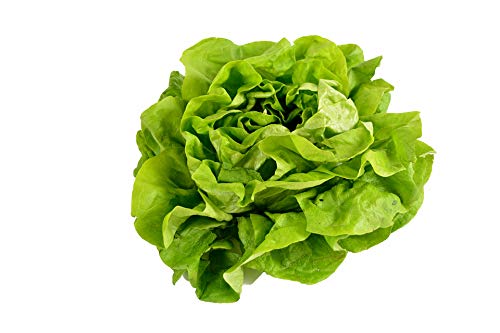
This lettuce is well known for its sweet flavor. Best if harvested in the morning.

YEAR-ROUND GARDEN FAVORITE – Dependable butterhead lettuce that thrives in cool or moderate weather for consistent harvests from spring through fall, even under cover in winter

10 LETTUCE VARIETIES – Lettuce (Lactuca sativa) varieties for your garden, including Buttercrunch, Green Salad Bowl, Iceberg, Lolla Rossa, Oakleaf, Parris Island Romaine, All the Year Round, Black Seeded Simpson, Red Romaine, and Red Salad Bowl
Best Varieties For Indoor Growth
- Butterhead Lettuce: Butterhead types, like ‘Buttercrunch’, provide a rich, buttery texture. They’re compact and grow well in small spaces.
- Romaine Lettuce: Romaine varieties, such as ‘Little Gem’, grow upright and can yield crisp leaves. These work well in containers.
- Leaf Lettuce: Loose-leaf types, such as ‘Red Romaine’ or ‘Salad Bowl’, grow quickly and continuously produce leaves. Harvesting individual leaves promotes ongoing growth.
- Miniature Varieties: Smaller forms, like ‘Tom Thumb’, are perfect for tight spaces. They grow quickly and require less light.
- Growth Habit: Select varieties based on how much space they occupy. Compact varieties fit well in limited spaces.
- Days to Maturity: Choose varieties that mature quickly for rapid harvests. Leaf lettuce often matures in 30–45 days.
- Light Requirements: Assess each variety’s light needs. Some require more light than others, and adjusting your setup can enhance growth.
- Taste Preferences: Consider your taste preferences. Experimenting with different varieties helps you discover your favorites.
- Pest Resistance: Opt for types that show some resistance to pests. Varieties with disease resistance can decrease maintenance efforts.
Using the right lettuce varieties allows you to enjoy an abundant harvest of fresh greens year-round.
Essential Supplies For Indoor Lettuce Gardening
Growing lettuce indoors requires specific supplies to ensure optimal growth and health. Gathering the right tools and materials makes the process simpler and more enjoyable.
Recommended Products
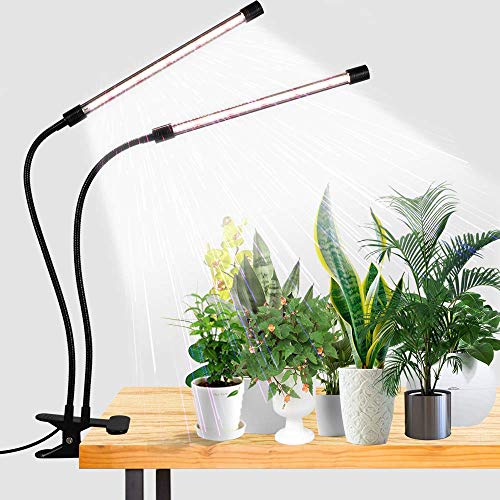
6000K White Light - equipped with 10 Red + 74 White LEDs, this growing Lamp is similar to the full-spectrum sunlight at noon,that is professionally designed for indoor garden plants.Moreover, its color rendering index is as high as 95, the light is soft and flicker-free, which is very suitable for reading lamp

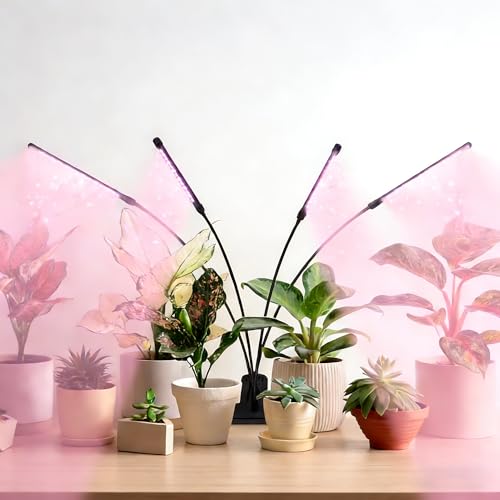
Full Spectrum LED Technology: Equipped with 80 red and blue LED beads across 4 heads, delivering full-spectrum illumination that simulates natural midday sunlight, covering the entire 460-660nm visible spectrum essential for plant photosynthesis. Enhanced 660nm red light promotes flowering, fruiting, and extended bloom periods, while blue light boosts chlorophyll synthesis to support robust vegetative growth
Containers And Soil Requirements
Containers come in various shapes and sizes. Choose options with good drainage holes, which help prevent waterlogging. Consider using:
- Plastic Pots: Lightweight and available in different sizes.
- Self-Watering Containers: These maintain consistent moisture levels.
- Seedling Trays: Ideal for starting multiple plants before transplanting.
Soil type is equally important. Use a high-quality potting mix specifically designed for indoor plants. Look for mixes that include:
- Perlite: Helps with drainage and aeration.
- Compost: Provides essential nutrients.
Mix in some worm castings for added fertility. This blend supports strong, healthy lettuce growth.
Lighting Options For Optimal Growth
Lettuce thrives under bright light. Adequate lighting ensures robust growth and prevents leggy plants. Consider these lighting options:
- LED Grow Lights: Energy-efficient with adjustable spectrums. Position them 6-12 inches above the plants.
- Fluorescent Bulbs: Affordable and effective for short growing spaces. Use them for 12-16 hours per day.
- Natural Sunlight: If possible, place containers near south-facing windows. Rotate the plants weekly to ensure even exposure.
Monitor light intensity and adjust as needed. Lettuce prefers light but can get burnt from too much direct sunlight.
Care And Maintenance Tips
Maintaining healthy lettuce indoors involves careful attention to watering, nutrients, and pest management. Implementing these tips will promote vigorous growth and a bountiful harvest.
Recommended Products

PATENTED SMART HYDROPONIC SYSTEM: Take your indoor gardening to the next level with our patented smart hydroponic system, featuring the exclusive LetPot app. With just a few taps on your phone, you can effortlessly adjust the 0-24 hours LED lighting schedule to provide your plants with the perfect amount of light and precies on/off time. Our innovative reminder system also ensures you never forget to water your plants again, making growing healthy and vibrant plants easier than ever before.

SPACE-SAVING COUNTERTOP HYDROPONIC GARDEN: Compact hydroponic garden tucks neatly under cabinets or on narrow countertops, turning unused nooks into a productive indoor gardening system for small homes and busy cooks.

Heirloom Non-GMO Seeds: seed pod kit contains 6 kinds of lettuce seeds, they are Red&Green Leaf Lettuce, Romaine, Butter Head, Bibb Lettuce, Boston Lettuce, Buttercrunch Lettuce. Various kinds of lettuce seeds, each one is rich in nutritional value. 100% Non-GMO, open pollinated
Watering And Nutrient Management
Water consistently to keep the soil moist but not soggy. Lettuce thrives in well-drained soil, so water when the top inch of soil feels dry. Use a moisture meter for accuracy.
Fertilize with a balanced, water-soluble fertilizer every two weeks. Begin fertilization after seedlings grow their first true leaves. Apply diluted fertilizer to prevent root burn, adjusting the recipe based on plant response. For instance, a 10-10-10 fertilizer provides adequate nitrogen, phosphorus, and potassium for strong growth.
Pest Control And Disease Prevention
Monitor plants regularly for pests like aphids and snails. These pests can pose serious risks to indoor lettuce. Inspect leaves, checking under them for signs of infestation. If pests appear, handpick larger ones or use insecticidal soap as a natural remedy.
Ensure good air circulation around the plants to prevent mold and mildew growth. Proper ventilation and maintaining a consistent humidity level help reduce disease risk. Use neem oil for fungal infections as a preventive measure.
Avoid overwatering to decrease the chance of root rot. Water only when necessary, focusing on soil moisture levels.
Harvesting And Storing Lettuce
Harvesting lettuce involves timing and technique for optimal flavor and freshness. You can begin harvesting once the leaves reach a minimum height of 4 to 6 inches. For leafy varieties, pick the outer leaves first, allowing the inner leaves to continue growing. For heads of lettuce, wait until they’ve formed tightly, with a firm texture before cutting them at the base.
Tools for Harvesting
- Scissors: Use clean, sharp scissors to cut leaves without damaging the plant.
- Garden Shears: For larger heads, garden shears provide a clean cut.
- Gloves: Wearing gloves protects your hands from soil and sap.
Harvesting Techniques
- Cut-and-Come-Again: This method encourages continual growth. Trim outer leaves, leaving the center intact.
- Whole Plant Harvest: For single harvest varieties, cut the entire head at the base.
Storing Fresh Lettuce
Store harvested lettuce properly to maintain crispness and prevent wilting. Clean the leaves by rinsing them in cool water and gently patting them dry with a towel. Here are effective storage methods:
- Refrigeration: Place the dried leaves in a breathable container or bag. Use perforated plastic bags or wrap leaves in a damp paper towel inside a plastic bag to retain moisture.
- Damp Cloth Method: Wrap the lettuce in a damp cloth, then place it in a container. This method helps maintain humidity.
- Refrigeration: Fresh lettuce typically lasts about 5 to 7 days, depending on the variety and conditions.
- Freezing: While not ideal for salads, you can blanch lettuce leaves and freeze them for later use in cooking.
Following these harvesting and storage guidelines ensures you enjoy fresh, crisp lettuce whenever you desire.
Conclusion
Growing lettuce indoors all year can be a rewarding experience. You’ll enjoy fresh greens right at your fingertips while adding a splash of color to your home. With the right care and attention your indoor garden can thrive and provide you with delicious lettuce whenever you want it.
Don’t forget to experiment with different varieties and harvesting techniques to find what works best for you. By mastering the basics and keeping an eye on your plants you’ll soon be harvesting crisp lettuce that elevates your meals. Happy gardening and enjoy your fresh harvest!
Frequently Asked Questions
What are the benefits of growing lettuce indoors year-round?
Growing lettuce indoors year-round allows for a fresh supply of greens regardless of the season. It offers control over growing conditions, reduces the risk of pests, and ensures access to organic produce.
What varieties of lettuce are best for indoor growing?
Ideal varieties for indoor growing include Butterhead, Romaine, and Looseleaf lettuces. These types are known for their ease of growth and quick harvest times, making them perfect for indoor gardens.
What essential supplies do I need for indoor lettuce gardening?
Essential supplies include seed trays, quality potting soil, grow lights, and containers with drainage. A temperature-controlled environment and humidity monitoring tools can also help optimize growth conditions.
How should I care for indoor lettuce plants?
Care for indoor lettuce by ensuring consistent watering, providing balanced fertilization, and monitoring light exposure. Avoid overwatering to prevent root rot, and adjust the grow lights as plants grow.
What pest control measures are effective for indoor lettuce?
Effective pest control measures include regular inspections, maintaining good air circulation, and using organic solutions like insecticidal soap or neem oil. Keeping the growing area clean also helps prevent infestations.
How do I harvest lettuce properly?
Use the cut-and-come-again method by snipping outer leaves with scissors, allowing the inner leaves to continue growing. Alternatively, you can harvest the whole plant at the base, if desired.
What are the best storage methods for harvested lettuce?
For optimal freshness, refrigerate harvested lettuce in a plastic bag or container. Alternatively, wrap lettuce in a damp cloth before refrigerating. This maintains crispness and extends freshness for up to 5 to 7 days.
Can I freeze lettuce for later use?
While freezing is possible, it’s recommended mainly for cooked dishes. Blanch the lettuce briefly before freezing to preserve color and flavor. Expect a change in texture when thawed, making it best for soups and stews.
