

Have you ever wondered what gives romaine lettuce its crisp, refreshing taste? If you’ve enjoyed a salad bursting with flavor, you’ve likely encountered the heart of romaine. This often-overlooked part of the lettuce is packed with nutrients and adds a delightful crunch to your meals.
Key Takeaways
- Understanding the Heart: The heart of romaine lettuce is the central core with tender, sweet, and tightly packed leaves, making it a flavorful addition to meals.
- Nutritional Benefits: It is rich in vitamins A, C, and K, as well as dietary fiber, supporting eye health, immune function, and digestion while being low in calories.
- Culinary Versatility: The heart can be used in various dishes, from salads and wraps to grilling and soups, enhancing both flavor and nutrition.
- Preparation Tips: To prepare, trim the tough base, wash the leaves, and slice for salad use. Proper preparation maximizes flavor and texture.
- Storage Recommendations: Keep the heart fresh by storing it in a sealed bag in the refrigerator and using it within a week for the best taste and nutritional benefits.
- Growing Your Own: Successfully growing romaine lettuce involves selecting quality seeds, planting at the right time, and proper care for a rewarding harvest.
What Is the Heart of Romaine Lettuce?
The heart of romaine lettuce refers to the central core, located at the center of the head. It consists of tightly packed leaves that are tender and sweet. This part of the lettuce is often more vibrant in color than the outer leaves, making it visually appealing.
Nutritional Benefits
The heart of romaine boasts a range of nutrients. It contains vitamins A, C, and K. These nutrients play vital roles in maintaining eye health, supporting the immune system, and promoting healthy blood clotting. Additionally, it’s low in calories, making it a great choice for salads and wraps.
Culinary Uses
You can use the heart in various dishes. Its crisp texture and mild flavor enhance salads, sandwiches, and tacos. Cut the heart into wedges for grilling or roasting, which adds a smoky flavor. You might also enjoy it in smoothies for a nutritional boost.
Preparation Tips
When preparing the heart, trim away the tough base to access the tender leaves. Wash the leaves under cold water to remove any dirt. For salads, slice them into bite-sized pieces, and toss with your favorite dressing.
Storage Recommendations
Store the heart of romaine in a sealed plastic bag in the refrigerator. This helps maintain its crispiness. Use it within a week for optimal freshness. If the leaves start to brown, consider using them in stir-fries or soups instead of discarding them.
Nutritional Benefits
The heart of romaine lettuce offers impressive nutritional benefits that enhance your overall health. Packed with essential vitamins and minerals, this part of the lettuce enriches your meals while keeping calorie counts low.
Vitamins and Minerals
Romaine lettuce heart provides a wealth of vitamins and minerals. It contains:
- Vitamin A: Supports eye health and immune function.
- Vitamin C: Helps in tissue repair and strengthens the immune system.
- Vitamin K: Plays a vital role in blood clotting and bone health.
- Folate: Essential for DNA synthesis and beneficial during pregnancy.
Incorporating the heart of romaine into your diet can boost your nutrient intake efficiently.
Fiber Content
Romaine lettuce heart is also a rich source of dietary fiber. Fiber aids in digestion, helps maintain a healthy weight, and contributes to heart health. Consuming fiber-rich foods can:
- Promote regular bowel movements.
- Help manage blood sugar levels by slowing digestion.
- Support satiety and control appetite.
Adding the heart to salads or wraps is an excellent way to enhance fiber intake while enjoying a crunchy texture.
Culinary Uses
The heart of romaine lettuce offers a range of culinary possibilities, enhancing various dishes with its crisp, sweet flavor and vibrant color.
Recommended Products

365 by Whole Foods Market products give you that dance-down-the-aisles feeling, virtual aisles too!

Selected and stored fresh

Selected and stored fresh
Raw Preparations
Using the heart of romaine in raw preparations adds freshness and crunch.
- Salads: Toss its leaves into mixed greens or use them as the base for a Caesar salad. The heart’s tenderness makes it ideal for salads.
- Wraps: Use the larger leaves as wraps for turkey, chicken, or hummus. It provides a low-carb alternative to tortillas.
- Sandwiches: Layer the heart in sandwiches for added texture. Its mild flavor pairs well with meats and cheeses.
Cooked Dishes
Incorporating the heart of romaine into cooked dishes introduces new flavors and textures.
- Grilling: Grill the heart cut in half for a smoky flavor. Serve it as a side dish or atop grilled meats.
- Sautéing: Sauté the leaves with garlic and olive oil for a simple, nutritious side. This enhances the natural sweetness.
- Soups: Add it to soups for added nutrition and a delightful crunch. It works well in vegetable broths or creamy soups.
Using these methods, you can fully enjoy the heart of romaine lettuce in various meals, maximizing both flavor and nutrition.
Growing Romaine Lettuce
Growing romaine lettuce offers a rewarding experience with crisp, nutritious leaves. Focus on planting, care, and harvesting to ensure a successful crop.
Recommended Products

Complete Lettuce Garden Starter Kit Indoor – 5 heirloom salad and green seed packets, 8 biodegradable soil disks, 8 plant markers, and 8 starter pots. Romaine, Spinach, Arugula, Kale and Buttercrunch lettuce heirloom seeds are the star of the set!

High Germination Rate: Enjoy a plentiful harvest with our Romaine Lettuce seed pod featuring excellent germination. Fresh, reliable seeds sourced from USA ensure quick sprouting and healthy growth.

White hearts, leaves have crispy, sweet flavor
Planting Tips
- Choose the Right Season: Plant romaine lettuce in early spring or late summer for optimal growth. These cooler months allow for better leaf development.
- Select Quality Seeds: Choose high-quality romaine lettuce seeds from a reputable source. Varieties like ‘Paris Island’ or ‘Little Gem’ provide delicious results.
- Prepare the Soil: Use well-drained soil with a pH of 6.0 to 6.8. Incorporate organic matter for improved fertility.
- Sow Seeds Properly: Space seeds about ½ inch apart in rows that are 12-18 inches apart. Lightly cover with soil, ensuring not to bury them too deep.
- Water Frequently: Keep the soil consistently moist, especially during dry spells. Use a gentle spray to avoid disturbing the seeds.
- Identify the Right Time: Harvest romaine lettuce when the hearts are compact and firm—usually 70-80 days after planting. Look for vibrant green leaves.
- Use Proper Tools: Use a sharp knife to cut the base of the plant, about 1-2 inches above the soil line. This prevents damage to the surrounding soil.
- Harvest Entire Heads: For maximum flavor, consider harvesting the whole head. This ensures the entire heart can be enjoyed.
- Cut Selectively: If you prefer, harvest outer leaves while allowing the inner heart to continue growing. This method offers a continuous supply of fresh lettuce.
- Store Correctly: Place harvested romaine hearts in a sealed plastic bag. Refrigerate for up to a week, maintaining freshness.
Growing your own romaine lettuce not only enhances your meals but also provides you with fresh ingredients right from your garden.
Storage and Freshness
To keep the heart of romaine lettuce fresh, follow these simple storage tips. Place it in a sealed plastic bag or an airtight container. This prevents moisture loss while protecting it from odors in the refrigerator.
Store your romaine lettuce at a temperature between 32°F and 36°F. This range helps maintain crispness and freshness. Do not wash the leaves until you’re ready to use them, as excess moisture can hasten decay.
Check freshness frequently. Look for any yellowing or wilting leaves. Remove any spoiled parts to extend the life of the remaining lettuce.
If you plan to use the heart within a week, it’s best to store it in the crisper drawer of your refrigerator. For longer storage, consider freezing the heart after blanching. Cut it into pieces, blanch in boiling water for 2 minutes, then cool, dry, and store in freezer bags. This process helps maintain flavor and texture.
By following these storage guidelines, you can enjoy the vibrant taste and nutritional benefits of romaine lettuce heart for several days.
Recommended Products

Keep your produce fresh for longer: The PrepSolutions Lettuce Keeper keeps your produce fresh with an adjustable air vent and water reservoir, creating the ideal environment for fresh fruits and vegetables. Item measures 12.5" W x 7.25" D x 5.25" H and weighs 1.14 lbs.

KEEP PRODUCE FRESHER LONGER: Rubbermaid FreshWorks Produce Saver uses FreshVent technology to regulate airflow, so your produce stays fresher longer.
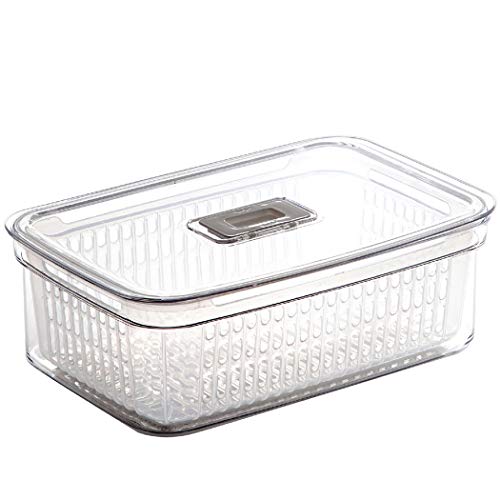
Clever Design: The BINO produce saver is made of a durable material that is easy to clean and has a tight-fitting lid to keep out moisture and air. It has a removable colander-style basket that helps drain any excess water.
Conclusion
Embracing the heart of romaine lettuce can truly elevate your meals. Its tender leaves not only add a delightful crunch but also pack a punch of nutrients that your body will love. Whether you’re tossing it into a fresh salad or grilling it for a warm dish you’ll find that this often-overlooked part of the lettuce is both versatile and delicious.
By incorporating the heart into your diet you’re not just enhancing flavor but also boosting your overall health. Plus with the right storage techniques you can keep your romaine hearts fresh and ready for your next culinary adventure. So go ahead and enjoy everything this tasty green has to offer.
Frequently Asked Questions
What are the nutritional benefits of romaine lettuce heart?
The heart of romaine lettuce is rich in vitamins A, C, and K, which support eye health, the immune system, and blood clotting. It is also low in calories and high in fiber, promoting digestive health and heart wellness.
How do you prepare romaine lettuce heart for salads?
To prepare romaine lettuce heart for salads, trim the tough base, wash the leaves thoroughly, and then chop or tear them into bite-sized pieces. The tender, sweet leaves enhance the flavor of your salad.
Can the romaine lettuce heart be cooked?
Yes, the romaine lettuce heart can be grilled, sautéed, or used in soups. Cooking enhances its flavor and offers a different texture, making it a versatile ingredient in various dishes.
How should you store romaine lettuce to keep it fresh?
Store romaine lettuce heart in a sealed plastic bag or airtight container in the refrigerator, ideally at 32°F to 36°F. Avoid washing it until ready to use to prevent premature decay.
When is the best time to plant romaine lettuce?
The best times to plant romaine lettuce are early spring and late summer. This ensures optimal growth conditions and harvest timing throughout the growing season.
How can you tell when to harvest romaine lettuce?
Romaine lettuce is ready to harvest when the heads are firm, and the leaves are densely packed. Use sharp tools and check the size, typically around 6 to 12 inches tall, for the best flavor and texture.
