

Ever wondered how to keep your water lettuce thriving? These unique aquatic plants can transform your pond or water garden into a lush oasis, but they do require a bit of care. If you’ve ever struggled with wilting leaves or unwanted pests, you’re not alone.
Key Takeaways
- Optimum Conditions: Water lettuce thrives in warm, shallow waters with temperatures between 70°F and 90°F, preferring bright, indirect sunlight for 5-6 hours daily.
- Water Quality Management: Maintain consistent water levels of 6 to 12 inches and monitor pH levels (ideally between 6.0 and 7.5) to prevent stagnation and nutrient deficiencies.
- Pest and Disease Control: Regularly inspect for pests like aphids and spider mites; use insecticidal soap or neem oil for effective treatment. Additionally, address fungal issues with improved air circulation and by removing infected leaves.
- Nutrient Enrichment: Yellowing leaves may indicate nutrient deficiency. Use liquid fertilizers for aquatic plants to replenish essential nutrients like nitrogen and potassium as needed.
- Propagation Techniques: Expand your water lettuce by propagating through leaf cuttings or division, which promotes healthy growth and enhances the visual appeal of your water garden.
- Biodiversity Enhancement: Water lettuce not only improves water clarity and provides shade but also creates habitats for beneficial microorganisms and aquatic life, contributing to a balanced ecosystem.
Understanding Water Lettuce Plants
Water lettuce (Pistia stratiotes) thrives in warm, shallow waters. This floating aquatic plant offers unique characteristics and significant benefits for your water garden or pond.
Characteristics of Water Lettuce
- Leaf Structure: Water lettuce features broad, soft leaves that resemble large, lush rosettes. Leaves can grow up to 12 inches in length and are covered with fine hairs.
- Root System: Its long, dangling roots hang beneath the surface, helping with nutrient absorption and providing shelter for aquatic life.
- Growth Habit: This plant spreads rapidly through vegetative reproduction, allowing it to form dense mats on the water’s surface, which can aid in shade control for other plants.
- Coloration: The leaves display a vibrant green hue, which can enhance the visual appeal of your aquatic landscape.
- Temperature Preference: Water lettuce thrives in temperatures between 70°F and 90°F, making it ideal for warm climates.
- Water Filtration: Water lettuce contributes to water clarity by absorbing excess nutrients, reducing algae growth in the pond or garden.
- Shade Provision: By creating a cover on the water surface, it offers shade for fish and other aquatic creatures, protecting them from direct sunlight.
- Wildlife Habitat: The dangling roots provide a habitat for beneficial microorganisms and small fish. This promotes biodiversity within your aquatic ecosystem.
- Aesthetic Appeal: Their lush appearance adds beauty and interest, making your pond or water garden more attractive.
- Soil Stabilization: Water lettuce can help prevent soil erosion around water edges by stabilizing the substrate with its root system.
Understanding these aspects of water lettuce equips you to care for and maximize the benefits of these plants in your aquatic environment.
Essential Care Tips for Water Lettuce Plants
Caring for water lettuce plants ensures their health and enhances their benefits in your aquatic environment. Follow these essential tips to maintain vibrant growth and optimal conditions.
Recommended Products
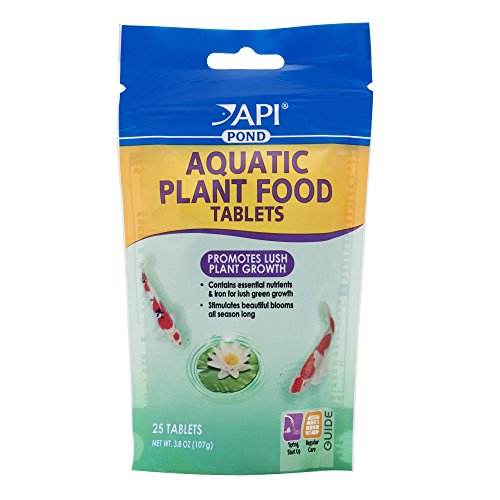
Contains one (1) PONDCARE AQUATIC PLANT FOOD TABLETS Potted Plant Fertilizer 3.8-ounce
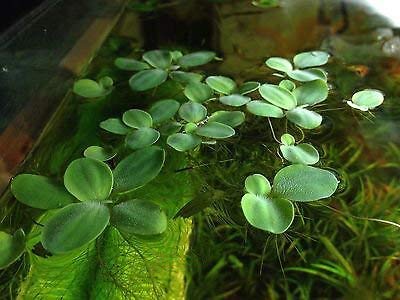
12 Dwarf Water Lettuce, Pistia stratiotes, Live Aquarium/Floating/Aquatic Plant

LIVE PLANTS: Package includes 5 fresh water plants with vibrant green leaves and buoyant bulbs for immediate pond use
Water Requirements
Water lettuce thrives in nutrient-rich water. Keep the water level consistent, avoiding extremes; the ideal depth ranges from 6 to 12 inches. Monitor for water quality regularly. Maintain a pH level between 6.0 and 7.5. Change the water occasionally to prevent stagnation, which can lead to algae growth and reduced oxygen levels. Using a water conditioner can help eliminate chlorine and other harmful substances.
Light and Temperature Preferences
Water lettuce prefers bright, indirect sunlight. Place it where it receives 5 to 6 hours of light daily. Too much direct sunlight can scorch the leaves, while insufficient light slows growth. The ideal temperature for water lettuce ranges from 70 to 85°F. Monitor the water temperature, especially in colder months. If the temperature drops below 50°F, consider moving the plants indoors to protect them from frost and cold stress.
Common Problems and Solutions
Water lettuce plants can face several challenges. Addressing these issues promptly ensures healthy growth and vibrant aesthetics.
Pests and Diseases
Common pests that affect water lettuce include aphids and spider mites. These pests suck sap from the leaves, leading to wilting and yellowing. When observed, use insecticidal soap or neem oil for treatment. Spray the affected areas thoroughly, targeting both the pests and any eggs.
Fungal infections, like downy mildew, can also pose a threat. Symptoms include a white, powdery coating on leaves. To combat this, improve air circulation around your plants and avoid overcrowding. If infections persist, consider removing infected leaves to prevent spread.
Nutrient Deficiency Issues
Nutrient deficiencies often manifest as yellowing leaves or stunted growth. This typically indicates a lack of vital nutrients like nitrogen or potassium. Check the water quality regularly. If deficiencies appear, enrich the water with liquid fertilizers designed for aquatic plants. Follow the manufacturer’s instructions for application rates.
Inadequate sunlight can exacerbate nutrient issues. Ensure your water lettuce receives 12 to 14 hours of indirect sunlight daily, adjusting placement as needed. If growth remains sluggish, check water pH levels; a pH range of 6.5 to 7.5 is optimal for nutrient absorption.
Propagating Water Lettuce Plants
Propagating water lettuce is a simple process that ensures your plants thrive and multiply. You can use two primary methods: leaf cuttings and division techniques.
- Leaf Cutting:
- Choose healthy leaves from an existing water lettuce plant.
- Cut a leaf just below the base where it connects to the main stem.
- Place the leaf in a shallow container of water, ensuring only the cut end is submerged.
- Change the water regularly to keep it fresh.
- After a few weeks, roots will develop, and you can transfer the new plant to your pond or water garden.
- Division:
- Look for mature water lettuce plants with several rosettes.
- Gently pull the plant apart by grasping its base.
- Ensure each division has roots and at least a couple of leaves.
- Replant the divisions in separate areas of your pond or container, ensuring they’re spaced adequately.
- Monitor the water levels and light exposure to support their growth.
These methods promote healthy growth and contribute to a vibrant aquatic environment. Regular propagation keeps your water lettuce thriving and can enhance the aesthetic appeal of your water feature.
Conclusion
Caring for water lettuce can be a rewarding experience that enhances your aquatic space. By keeping an eye on their water, light, and temperature needs you’ll ensure they thrive beautifully. Don’t forget to address any issues quickly and use simple propagation methods to keep your plants flourishing.
With a little attention and love your water lettuce will not only improve water quality but also add a touch of elegance to your pond or water garden. Enjoy watching your plants grow and multiply as you create a serene and vibrant environment. Happy gardening!
Frequently Asked Questions
What is water lettuce, and what are its benefits?
Water lettuce (Pistia stratiotes) is a floating aquatic plant noted for its rosette-shaped leaves. It improves water quality by absorbing excess nutrients and provides shelter for fish and other aquatic life. Additionally, it enhances the aesthetics of water gardens and ponds.
How do I care for water lettuce?
To care for water lettuce, ensure it has plenty of water and sunlight. It thrives in temperatures between 70°F and 85°F, requiring partial shade during extreme heat. Regularly monitor water quality, ensuring it remains clean and nutrient-rich for optimal growth.
What common pests and diseases affect water lettuce?
Water lettuce can face pests like aphids and mealybugs and diseases such as fungal infections. Common symptoms include discolored leaves and wilting. Promptly treating infestations with insecticidal soap and improving air circulation can help mitigate these issues.
How can I address nutrient deficiencies in water lettuce?
Nutrient deficiencies can be solved by enriching the water with appropriate fertilizers. Ensure that the water contains essential nutrients like nitrogen and potassium, as this helps restore the health and vibrancy of your water lettuce plants.
What are the best propagation methods for water lettuce?
Water lettuce can be propagated through leaf cuttings or by division. Gently separate mature plants at the roots and replant them in suitable aquatic environments. This method supports more robust growth and a thriving population of water lettuce.
