

Are you eager to grow fresh, crisp lettuce in your garden? Timing can make all the difference between a bountiful harvest and a disappointing yield. If you’ve ever wondered when to plant lettuce for the best results, you’re not alone. Many gardeners face this challenge every season.
Key Takeaways
- Timing is Crucial: Plant lettuce in early spring (March to April) or mid to late summer (July to August) for optimal growth before extreme temperatures set in.
- Know Your Varieties: Different lettuce types have varying maturation times and climate preferences, with options like Leaf, Romaine, Butterhead, and Crisphead, each requiring specific care.
- Soil Preparation Matters: Ensure your soil is well-draining and rich in organic matter with a pH of 6.0 to 7.0 to promote robust lettuce growth and better germination rates.
- Pest Management Strategies: Regularly inspect your lettuce for pests, use insecticidal soap, and implement barriers like row covers to protect your crops from common threats.
- Monitor Weather Patterns: Stay aware of local weather changes to adjust planting times, use shade cloth for hot days, and row covers for unexpected cool snaps to safeguard your lettuce.
- Successful Planting Techniques: Consider direct sowing for quick-growing varieties and transplanting for earlier yields, ensuring proper spacing to promote healthy growth.
Understanding Lettuce Growth Cycles
Lettuce growth cycles play a crucial role in determining the best planting times. Knowing the specific needs of different lettuce varieties and climate conditions helps you achieve a successful harvest.
Lettuce Varieties and Their Needs
Lettuce comes in several varieties, each with unique requirements:
- Leaf Lettuce: This variety grows quickly, needing 40 to 50 days from seed to harvest. Plant it every 2 weeks for a continuous supply.
- Romaine Lettuce: Romaine takes approximately 70 to 75 days to mature. It prefers cooler temperatures between 60°F and 70°F for optimal growth.
- Butterhead Lettuce: Butterhead needs 55 to 65 days. This type thrives in similar temperatures to romaine, but it benefits from a denser planting style.
- Crisphead Lettuce: This variety takes around 70 to 100 days. It requires more space and patience due to its slower growth rate and susceptibility to heat stress.
Understanding these specific requirements allows you to allocate your garden space effectively and time your plantings.
Climate Considerations
Climate significantly affects lettuce growth. Temperature and humidity levels dictate when to plant:
- Cool Seasons: Plant lettuce in early spring or fall. Ideal temperatures range from 60°F to 70°F. Hot conditions cause bolting, where lettuce forms flowers and becomes bitter.
- Warm Seasons: In warmer climates, plant lettuce in late summer or early fall for a fall harvest. Consider using shade cloth during hot months to protect newly sprouted seedlings.
Keep an eye on local weather patterns, as unexpected temperature changes can alter your planting schedule. By aligning your planting with both variety needs and climate conditions, you’ll maximize your chances of a bountiful lettuce harvest.
Optimal Planting Times
Timing significantly affects your success in growing lettuce. Understanding when to plant facilitates better growth and a bountiful harvest.
Recommended Products

Healthy Food Source: Because of its tender flavor, lettuce is a popular vegetable for salad, sandwiches, wraps, soups, stir-fries and juice. There are over 20,000 seeds, 10 kinds of lettuce collection, including bibb, boston, iceberg, buttercrunch, grand rapids TBR, oakleaf, ruby leaf, cimmaron romaine and waldmann's

Complete Lettuce Garden Starter Kit Indoor – 5 heirloom salad and green seed packets, 8 biodegradable soil disks, 8 plant markers, and 8 starter pots. Romaine, Spinach, Arugula, Kale and Buttercrunch lettuce heirloom seeds are the star of the set!

Vegetable seeds variety pack: Grow 35 varieties of leafy greens, root vegetables, tomatoes, peppers, beans, peas, squash, melons, and more. Includes 16,000+ vegetable seeds for planting outdoors in raised beds, garden rows, or containers.
Spring Planting
Spring offers the ideal conditions for planting lettuce. Aim for early spring, typically around March to April, when soil temperatures range between 45°F (7°C) and 65°F (18°C). This temperature encourages rapid germination and growth.
Choose your specific planting dates based on your local climate. If you live in a region with late frosts, wait until the risk diminishes. Direct sow seeds into the garden or start seedlings indoors about 4-6 weeks before the last expected frost. Lettuce grows best with consistent moisture, so keep the soil damp but not soggy.
Fall Planting
Fall presents another excellent opportunity for planting lettuce. Target mid to late summer, around July to August, to allow for growth before colder temperatures set in. Soil should still be warm, ideally between 50°F (10°C) and 70°F (21°C).
Follow the same principles as spring planting. Space your seeds or seedlings appropriately for maximizing air circulation and sunlight. If you’re in a colder climate, consider using row covers to protect your lettuce from chilly nights and retain heat. This method extends your growing season, resulting in fresh lettuce until the first hard frost.
Planting Techniques for Successful Growth
Planting lettuce successfully involves choosing the right techniques and preparing the soil effectively. Implementing these methods ensures robust growth and a fruitful harvest.
Recommended Products

Red Romaine: Features vibrant red-tinged leaves with green bases, offering a mild, slightly sweet flavor and crisp texture ideal for salads and garnishes.

YEAR-ROUND GARDEN FAVORITE – Dependable butterhead lettuce that thrives in cool or moderate weather for consistent harvests from spring through fall, even under cover in winter
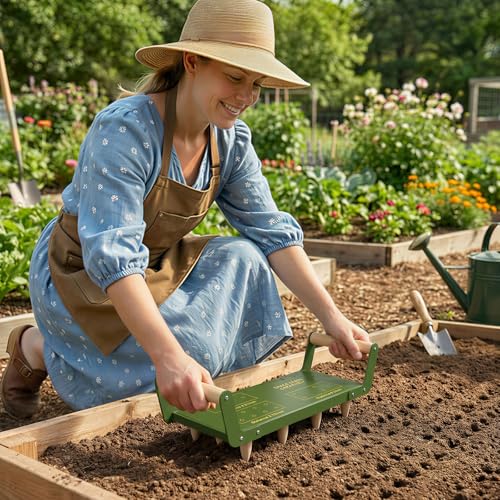
CREATE REPEATABLE PLANTING LAYOUTS: Arrange the wooden pegs, press the template into prepared soil and lift it away to mark planting points
Direct Sowing vs. Transplanting
Direct sowing involves planting seeds directly into the ground. This method works well for quick-growing varieties like Leaf and Butterhead. Space seeds about 12 inches apart to allow room for growth. If you sow seeds in rows, keep them roughly 18 inches apart.
Transplanting, on the other hand, entails starting seeds indoors or in a controlled area before moving them outside. This process can lead to earlier harvests since seedlings gain a head start. Space transplants a minimum of 10 to 12 inches apart, depending on the variety. For instance, Crisphead varieties need more room due to their larger heads. Both methods can yield a successful crop when timed correctly.
Soil Preparation Tips
Soil preparation plays a key role in lettuce growth. Start by testing your soil’s pH; it should ideal around 6.0 to 7.0. Amend your soil with organic matter like compost to improve fertility and drainage.
Ensure proper drainage by avoiding heavy clay soils. If your soil is compacted, consider tilling or aerating it. Aim for a smooth, loose seedbed; this helps with seed germination and root establishment.
Mix in a balanced fertilizer before planting. A slow-release option can provide nutrients throughout the growing season. After preparation, water the soil lightly and allow it to settle before planting. This step encourages good seed-to-soil contact, enhancing germination rates.
Following these planting techniques and soil preparation tips sets you on the path to a thriving lettuce garden.
Common Challenges and Solutions
Gardening often presents challenges, especially when planting lettuce. Recognizing these common issues helps you take proactive steps for successful growth.
Recommended Products

Ultra-Fine Mesh Netting: Large Size 2pack 10x33 Feet provide more security, Ultra Fine Garden Netting has a 0.04in ultra-fine mesh, It also allows sunlight | artificial light as well as air and rain to pass through. Light material, no burden for plant buds. Provide healthy growth environment for plants. Tip:(Not two packages, it's one package with two 10*33FT garden nets inside)
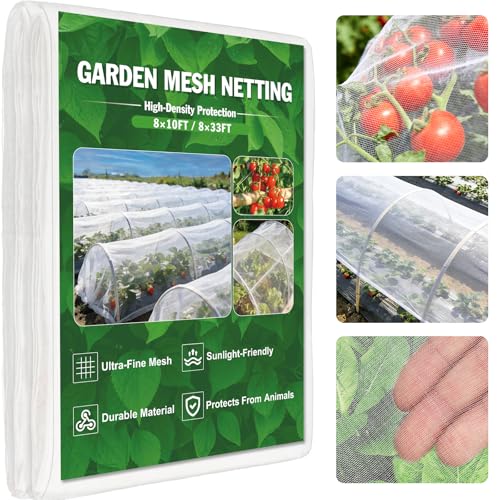
【Upgraded Fine Mesh Netting】This fine mesh garden netting uses 0.7*0.8mm high-density garden insect netting to block, birds, and small animals, offering reliable plant protection netting for vegetables and flowers
Pest Management
Pests pose a significant threat to your lettuce crops. Common pests include aphids, slugs, and leaf miners. To manage pests effectively:
- Inspect Regularly: Check your plants weekly for any signs of pests.
- Use Insecticidal Soap: Apply insecticidal soap for soft-bodied insects like aphids. Ensure you cover all surfaces.
- Encourage Beneficial Insects: Attract ladybugs and lacewings to your garden. They feed on harmful pests.
- Implement Physical Barriers: Use row covers to create a barrier against pests while still allowing light and moisture to reach your plants.
Weather Considerations
Weather fluctuations can impact your lettuce’s growth. Heatwaves or unexpected frost can hinder your harvest. To navigate weather challenges:
- Monitor Local Forecasts: Stay informed about impending weather changes, particularly temperature drops or heatwaves.
- Provide Shade: During hot days, use shade cloth to protect lettuce from excessive heat. This prevents bolting and maintains leaf quality.
- Use Row Covers: In cooler months, row covers can trap heat and protect your seedlings from frost, ensuring they grow even in chilly conditions.
- Adjust Planting Dates: Based on seasonal weather patterns, modify your planting schedule. If an early frost is predicted, consider starting seeds indoors before transplanting.
By proactively addressing these challenges, you enhance the chances of a thriving lettuce garden.
Conclusion
Getting the timing right for planting lettuce can make all the difference in your garden. By understanding the growth cycles and specific needs of different varieties you can enjoy a bountiful harvest. Remember to pay attention to your local climate and adjust your planting schedule accordingly.
Whether you choose to plant in early spring or mid to late summer for a fall crop keep those soil conditions in check. With a little planning and care you’ll be well on your way to enjoying fresh, crisp lettuce right from your garden. So grab your seeds and get ready to dig in!
Frequently Asked Questions
When is the best time to plant lettuce?
The best time to plant lettuce is during the cool seasons of early spring and fall. For spring planting, aim for March to April when soil temperatures are between 45°F (7°C) and 65°F (18°C). For fall planting, target mid to late summer, specifically July to August, to ensure growth before cold temperatures arrive.
What are the different types of lettuce?
The main types of lettuce include Leaf, Romaine, Butterhead, and Crisphead. Each variety has different growth cycles, temperature preferences, and days to maturity, affecting when and how they should be planted. Knowing the type can help optimize your growth strategy.
How should I prepare the soil for planting lettuce?
Prepare the soil by testing pH levels and amending it with organic matter to ensure good drainage. Mixing in a balanced fertilizer will also promote healthy growth. Proper soil preparation is crucial for a successful lettuce garden.
Should I sow seeds directly or transplant lettuce?
Direct sowing is recommended for quick-growing varieties like Leaf and Butterhead. Transplanting, however, allows for earlier harvests by starting seeds indoors. Choose the method based on your timeline and the specific variety you’re growing.
How can I manage pests when growing lettuce?
To manage pests such as aphids, slugs, and leaf miners, regularly inspect your plants. Use insecticidal soap, encourage beneficial insects, and implement physical barriers like row covers. These strategies can help protect your lettuce from damage.
How do weather conditions affect lettuce growth?
Weather fluctuations can greatly impact lettuce growth. It’s essential to monitor local forecasts, provide shade during heatwaves, and use row covers in cooler months. Adjust your planting dates based on weather patterns for optimal results.
