

Have you ever wanted to grow your own fresh lettuce but felt unsure where to start? You’re not alone. Many gardeners face the challenge of planting seeds in raised beds, but it doesn’t have to be complicated.
Key Takeaways
- Location Matters: Select a spot with at least six hours of sunlight and good drainage to ensure healthy lettuce growth in raised beds.
- Soil Preparation is Key: Use a nutrient-rich mixture of compost, garden soil, and organic matter with a preferred pH of 6.0 to 6.8 for optimal results.
- Choose the Right Varieties: Popular options include leaf lettuces like Butterhead and Oakleaf, along with Romaine varieties like Classic Romaine and Little Gem, each offering unique benefits.
- Proper Planting Techniques: Sow seeds directly into moist soil, ensuring good seed-to-soil contact and appropriate spacing (6-12 inches for leaf types, 12-18 inches for Romaine).
- Consistent Care Required: Maintain soil moisture and regular fertilization to support healthy lettuce growth while avoiding over-fertilization for the best flavor.
- Address Common Issues: Monitor for pests and diseases, utilize organic remedies, and practice crop rotation to ensure a thriving lettuce garden.
Preparing Your Raised Bed
Preparing your raised bed correctly sets the stage for healthy lettuce growth. Focus on two main areas: choosing the right location and soil preparation.
Recommended Products

Quick, at home results for Soil pH, Nitrogen, Phosphorous and Potash Innovative and inexpensive soil test kit features an easy-to-use capsule system and patented color comparators

Kindly NOTE: This soil tester can not be applied to test pH value of any other liquid. If the soil is too dry the indicator will not move, and water it before testing.

Accurate Soil pH Testing: Dewildetradingco Soil pH Test Strips offer measurements of soil pH levels (pH 3.5-9). As an essential tool for every gardener and grower, these test strips help determine the optimal pH for various plants, such as outdoor plants, indoor plants, gardens, grass lawns, fruit trees, flowers, vegetables, and forest shrubs.
Choosing the Right Location
Pick a spot that gets at least six hours of sunlight daily. Consider areas near your home for easy access, as you’ll want to check on your lettuce regularly. Ensure the location has good drainage; standing water can lead to root rot. If windy, think about adding barriers such as fences or other plants to protect your lettuce.
Soil Preparation
Use high-quality soil for the best results. Mix equal parts of compost, garden soil, and organic matter to create a nutrient-rich environment. Before planting, loosen the soil to about 12 inches deep. Test the soil pH; lettuce prefers a pH range of 6.0 to 6.8. If your soil is too acidic or alkaline, amend it with lime or sulfur accordingly. Incorporate well-rotted manure or organic fertilizers to add nutrients. Lastly, water the soil thoroughly to ensure it’s moist before you sow your seeds.
Selecting Lettuce Varieties
Choosing the right lettuce varieties ensures a successful harvest. Different types of lettuce offer unique flavors, textures, and growing requirements. Here’s a closer look at two popular varieties.
Recommended Products

USDA Certified Organic by Oregon Tilth

Grow crisp Parris Island Cos romaine with upright green leaves, sturdy ribs, and a mild flavor. A classic choice for salads, lettuce wraps, sandwiches, and fresh harvests from your own garden.

Disease Resistant Salad Romaine : Parris Island Cos gardening seeds produce tall upright romaine lettuce head growth with crunchy midribs and juicy texture. Mosaic tolerant leaf lettuce seeds for planting outdoors thrive in USDA zones 3–9 with strong field performance.
Leaf Lettuce
Leaf lettuce grows quickly and easily in raised beds. It offers a crisp texture and rich flavor. Varieties like Butterhead and Oakleaf are notable options.
- Butterhead has tender leaves and a sweet taste. It’s great for salads and sandwiches.
- Oakleaf showcases frilly edges and retains moisture well. It’s perfect for salads, too.
Start harvesting leaf lettuce once it reaches about 4 to 6 inches tall. Cut the outer leaves and let the inner ones continue to grow. This method promotes regrowth, giving you multiple harvests.
Romaine Lettuce
Romaine lettuce is known for its crunchy texture and sturdy leaves. It thrives in raised beds and adds nutritional value. Popular types include Classic Romaine and Little Gem.
- Classic Romaine features long, upright leaves. It’s excellent for Caesar salads and wraps.
- Little Gem is a compact variety, making it perfect for smaller spaces. It’s sweet and tender, ideal for side salads.
Harvest romaine lettuce when it reaches 6 to 8 inches, cutting it at the base. Ensure your raised bed has sufficient spacing, about 12 inches apart, to allow proper growth. Proper spacing contributes to healthier plants and higher yields.
By understanding the differences between lettuce varieties, you can select what best suits your taste and gardening conditions.
Planting Lettuce Seeds
Planting lettuce seeds in raised beds creates a great opportunity for a fresh and rewarding garden. Focus on proper techniques and spacing for healthy growth.
Sowing Techniques
Sow lettuce seeds directly into the prepared soil in your raised bed. Scatter the seeds lightly over the soil surface. Alternatively, create shallow rows, placing seeds with a depth of about ¼ inch. Cover them gently with soil, ensuring good seed-to-soil contact. Water the area lightly to keep the soil moist but not waterlogged. When the seedlings emerge, thin them out by snipping weaker plants at the soil line. Thinning takes pressure off remaining plants, promoting healthier growth.
Recommended Spacing
Proper spacing gives your lettuce room to thrive. Space seedings for Leaf Lettuce about 6-12 inches apart, allowing mature plants to develop fully. For Romaine Lettuce, aim for 12-18 inches between plants. This spacing helps maintain airflow and reduces the risk of disease. If using rows, ensure row spacing remains around 12-18 inches apart. Keeping these distances in mind fosters a productive and sustainable lettuce harvest.
Caring for Your Lettuce
Caring for your lettuce involves proper watering and fertilization to ensure healthy growth and a bountiful harvest. Follow these guidelines to keep your lettuce thriving.
Recommended Products

BUILT TO LAST A LIFETIME WITH FULL STAINLESS STEEL: Crafted from a single piece of high-quality, rust-resistant stainless steel. Unlike tools with weak wooden handles, the Gardmate hand dibber is built for a lifetime of use, bending and wear in all weather conditions.
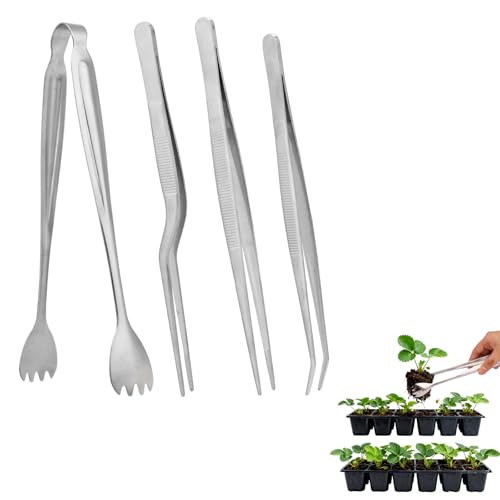
Complete Set: You will receive 1 piece of the seedling transplant tong and 3 pieces of the multi-functional tweezers. Ideal for delicate sowing, transplanting seedlings from seedling trays, and various fine motor tasks in gardening, kitchens, or crafts.

🌱【Mini Sowing Seed Dispenser】Say goodbye to tedious and uneven seed sowing and hello to a beautiful and thriving garden with the mini seed spreader. This compact and efficient hand tool is designed to make seed spreading a breeze, making it a must-have for any gardener or enthusiast. We have different combinations of planting gadgets for you to choose from to meet your needs and replacements.
Watering Guidelines
Watering plays a crucial role in growing lettuce. Keep the soil consistently moist but not soggy. Aim for about 1 to 1.5 inches of water weekly, including rainfall.
- Water deeply, allowing moisture to reach the root zone.
- Avoid wetting the leaves to reduce disease risk.
- Use a soaker hose or drip irrigation for efficient watering.
- Monitor soil moisture regularly by checking the top inch of soil.
If the soil feels dry, it’s time to water. During hot days, be prepared to adjust your watering routine, as lettuce may require more water in hotter conditions.
Fertilization Tips
Fertilization helps boost the growth of lettuce plants. Focus on providing balanced nutrients to support strong development.
- Apply a balanced, all-purpose fertilizer when planting, following package instructions.
- Use organic options, like compost or aged manure, for continuous nutrition.
- Side-dress with additional fertilizer midway through the growing season, especially for heavy feeders, like Romaine Lettuce.
- Avoid over-fertilizing, as this can lead to excess foliage growth and diminished flavor.
Regularly check your plants for signs of nutrient deficiencies, such as yellowing leaves, and adjust your fertilization accordingly.
Common Issues and Solutions
Planting lettuce seeds can come with a few challenges. Understanding these common issues, as well as their solutions, helps you enjoy a thriving lettuce garden.
Pest Control
Pests can threaten your lettuce plants. Common culprits include aphids, slugs, and caterpillars.
- Identify Pests: Regularly inspect your plants for signs of infestation, like holes in the leaves or sticky residue.
- Natural Remedies: Use neem oil or insecticidal soap as organic options to deter pests without harming beneficial insects.
- Physical Barriers: Install floating row covers to protect seedlings from pests while allowing light and moisture to reach them.
Disease Management
Lettuce can be susceptible to diseases such as downy mildew and lettuce drop.
- Rotate Crops: Change your planting location each season to prevent soil-borne diseases.
- Spacing: Ensure proper spacing between plants to promote airflow, reducing humidity and disease risk.
- Inspect Plants: Monitor for yellowing leaves or unusual spots. Remove any affected plants immediately to prevent spreading.
Utilizing these strategies addresses key issues, enabling a healthy lettuce harvest in your raised beds.
Conclusion
Growing lettuce in raised beds can be a rewarding experience. By following the steps outlined in this guide you’re setting yourself up for success. With the right location soil preparation and careful selection of lettuce varieties you can enjoy fresh greens right from your garden.
Remember to keep an eye on watering and fertilization to maintain healthy plants. Don’t forget to check for pests and diseases regularly to catch any issues early. With a little patience and care you’ll be harvesting delicious lettuce in no time. Happy gardening!
Frequently Asked Questions
How do I prepare my raised bed for growing lettuce?
To prepare your raised bed for lettuce, choose a location with at least six hours of sunlight and good drainage. Enrich the soil with high-quality soil mixed with compost and organic matter. Test the soil pH to ensure it’s suitable for lettuce, and incorporate any necessary nutrients before planting.
What types of lettuce should I grow in my garden?
Consider growing Leaf Lettuce varieties like Butterhead or Oakleaf for quick growth and flavor. Romaine Lettuce varieties like Classic Romaine and Little Gem offer crunchy texture and high nutritional value. Choose based on your taste preferences and gardening conditions.
How do I plant lettuce seeds in raised beds?
Sow lettuce seeds directly into the prepared soil, either by scattering them lightly or in shallow rows about ¼ inch deep. Cover them gently with soil and water lightly. Thin out seedlings later to ensure they have enough space to grow properly.
What is the recommended spacing for planting lettuce?
For Leaf Lettuce, space seedlings 6-12 inches apart. For Romaine Lettuce, maintain a spacing of 12-18 inches. This spacing helps promote airflow and reduces the risk of disease while allowing each plant ample room to grow.
How often should I water my lettuce plants?
Lettuce requires 1 to 1.5 inches of water per week. Use soaker hoses or drip irrigation, and check soil moisture to prevent over-watering. Adjust your watering schedule based on rainfall and temperature to ensure optimal growth.
What type of fertilizer should I use for lettuce?
Use balanced, all-purpose fertilizers or organic options like compost for fertilizing your lettuce. Avoid over-fertilizing, as too many nutrients can harm the plants. Regularly check for nutrient deficiencies to keep your lettuce healthy.
How can I deal with pests when growing lettuce?
Identify common pests like aphids and slugs early. Use natural remedies such as neem oil, or install physical barriers like floating row covers to protect your lettuce. Regular inspections can help catch infestations before they become serious problems.
What diseases should I watch for when growing lettuce?
Watch for diseases that can affect lettuce, like downy mildew and powdery mildew. Ensure proper spacing for good airflow and practice crop rotation. Regular inspections and prompt action at the first signs of disease will help maintain healthy plants.
