

Are you struggling to find the perfect potting soil for your tomato plants? Picture this: you’ve carefully nurtured your tomato seedlings, but as they grow, you notice stunted growth and lackluster fruits. The culprit could be the very foundation they’re rooted in – the potting soil.
Key Takeaways
- Understanding the key components of potting soil for tomato plants is crucial for healthy growth, including peat moss, perlite/vermiculite, compost, sand, and fertilizers.
- Maintaining the optimal soil pH range between 6.0 to 6.8 is essential for nutrient availability and disease prevention in tomato plants.
- Choosing between organic and non-organic potting soil mixes impacts soil health and nutrient absorption by tomato plants.
- Proper drainage and aeration are vital considerations when selecting potting soil to prevent waterlogging and promote root health.
- Top recommended potting soils for tomatoes include Miracle-Gro Performance Organics, Espoma Organic Potting Mix, and FoxFarm Ocean Forest Potting Soil for their unique benefits.
Understanding Potting Soil Components
When it comes to nurturing healthy tomato plants, understanding the components of potting soil is crucial. Here’s a breakdown of the key ingredients that make up quality potting soil and why soil pH plays a vital role in the success of your tomato plants.
Recommended Products

Kindly NOTE: This soil tester can not be applied to test pH value of any other liquid. If the soil is too dry the indicator will not move, and water it before testing.

Comprehensive Soil Analysis: Liquid soil test kits offer a comprehensive analysis of essential soil parameters, including pH, ammonia, nitrogen, phosphorus, and potassium. Having all these measurements in one kit provides a holistic understanding of the soil's fertility and health.

Quick, at home results for Soil pH
Key Ingredients in Quality Potting Soil
Quality potting soil for tomatoes typically consists of a balanced blend of various essential components. These include:
- Peat Moss: Retains moisture and provides aeration.
- Perlite or Vermiculite: Improves drainage and prevents compaction.
- Compost: Enriches the soil with nutrients.
- Sand: Enhances drainage and prevents waterlogging.
- Fertilizers: Provides essential nutrients for plant growth.
The right combination of these ingredients ensures that your tomato plants have access to adequate nutrients, water retention, and proper aeration for healthy root development.
Importance of Soil pH for Tomatoes
Soil pH levels play a critical role in determining the overall health and productivity of tomato plants. Here’s why it matters:
- Optimal pH Range: Tomato plants thrive in slightly acidic soil with a pH range between 6.0 to 6.8.
- Nutrient Availability: Correct pH levels ensure that essential nutrients are readily available to the plants.
- Disease Prevention: Maintaining proper pH helps prevent diseases caused by nutrient deficiencies or toxicities.
By testing and adjusting the pH of your potting soil as needed, you can create an optimal growing environment for your tomato plants, leading to robust growth and bountiful harvests.
Choosing the Right Potting Soil for Tomatoes
When selecting potting soil for your tomato plants, consider whether to opt for organic or non-organic mixes. Organic mixes are free from synthetic chemicals and pesticides, promoting natural growth and enhancing soil health. Non-organic mixes may contain artificial additives but can still provide adequate nutrition for your plants.
Recommended Products

HELPS REGULATE SOIL MOISTURE: Miracle-Gro Organic Indoor Potting Soil Mix is an organic potting soil that protects indoor plants against over and under watering
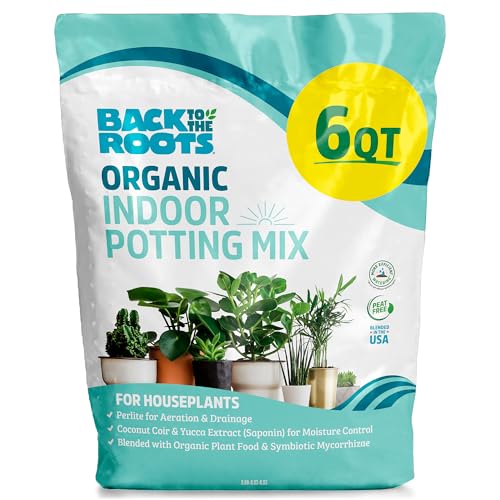
Includes 6qt of Back to the Roots Indoor Potting Mix. Our Potting Mix contains organic yucca extract that aids in retaining moisture in the soil which keeps your indoor plants happy and healthy

ALL-NATURAL MIX: Burpee Organic Premium Potting Mix is formulated with plant food & coconut coir to promote seed & root growth and healthy flower, vegetable & herb plants. OMRI Listed for organic use.
Organic vs. Non-Organic Mixes
Organic potting soil blends are derived from natural sources like composted plant material, animal manure, and other organic matter. These mixes foster a thriving ecosystem in the soil by promoting beneficial microbial activity that aids in nutrient absorption by tomato plants.
On the other hand, non-organic mixes often contain synthetic fertilizers and chemical additives designed to deliver specific nutrient ratios to the plants. While these mixes can be effective in providing essential nutrients, they may lack the long-term soil health benefits associated with organic options.
The Role of Drainage and Aeration
Proper drainage and aeration are crucial factors to consider when choosing potting soil for tomatoes. Well-draining soil prevents waterlogging, which can lead to root rot and other issues that affect plant health. Additionally, good aeration ensures that roots receive an adequate oxygen supply for optimal growth.
To enhance drainage, look for potting soils containing perlite or vermiculite as these materials help loosen the soil structure and improve water flow. For better aeration, consider adding coarse sand or coconut coir to the mix to prevent compaction and allow air circulation around the roots.
By understanding the differences between organic and non-organic mixes as well as prioritizing proper drainage and aeration in your potting soil selection, you can create an ideal environment for your tomato plants to thrive and yield bountiful harvests.
Top Recommended Potting Soils for Tomatoes
When choosing the best potting soil for your tomato plants, it’s essential to consider key factors that contribute to their growth and overall health. Here are some expert picks and user reviews to guide you in selecting the ideal potting soil mix.
Recommended Products

FEEDS UP TO 6 MONTHS: Miracle-Gro Potting Mix is a gardening soil for outdoor containers that feeds all types of potted plants, including flowers, vegetables, shrubs, annuals, and perennials for up to 6 months
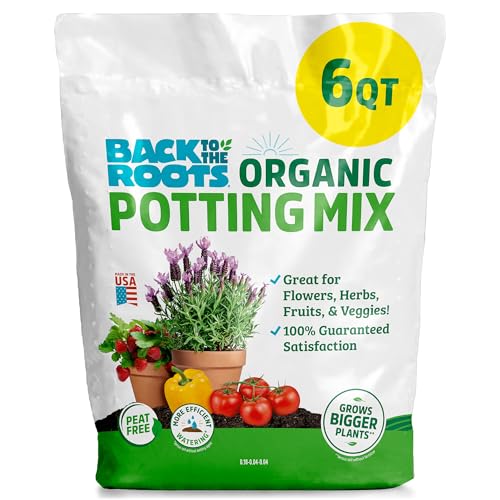
Includes 6qt of Back to the Roots Premium Blend Potting Mix. 100% Organic and Peat-Free, made from upcycled plant matter and wood fines from across the U.S. No imported peat, just better soil with a lighter carbon footprint.

Includes 10lb block of Back to the Roots compressed Coconut Coir that expands to 51qt of potting soil. A balanced pH, which means it’s truly all-purpose. Use alone or as an amendment for anything in a pot or in the ground — vegetables, flowers, herbs, and even starting seeds.
Expert Picks and User Reviews
- Miracle-Gro Performance Organics All Purpose Container Mix
- This organic mix is praised for its ability to provide essential nutrients while promoting natural growth.
- Users appreciate its moisture retention properties, ensuring consistent hydration for tomato plants.
- Espoma Organic Potting Mix
- Known for its excellent drainage capabilities, this mix prevents waterlogging and supports healthy root development.
- Gardeners value its enriched formula that fosters strong and vibrant tomato plants.
- FoxFarm Ocean Forest Potting Soil
- With a blend of beneficial microbes, this soil promotes robust root systems and enhances nutrient uptake.
- Users note improved plant vitality and increased fruit production when using this premium mix.
Comparisons of Top Brands
Here’s a quick comparison of some top potting soil brands suitable for growing tomatoes:
| Brand | Organic/Non-Organic | Key Features |
|---|---|---|
| Miracle-Gro Performance Organics | Organic | Nutrient-rich with natural ingredients |
| Espoma Organic Potting Mix | Organic | Excellent drainage properties |
| FoxFarm Ocean Forest Potting Soil | Organic | Contains beneficial microbes for plant health |
Each of these top brands offers unique benefits tailored to enhance the growth of your tomato plants. Consider your specific needs such as nutrient requirements, moisture retention, and overall plant health when selecting the best potting soil for your tomatoes.
Tips for Using Potting Soil Effectively
How to Prepare Your Soil
To prepare your soil for tomato plants, start by selecting a suitable potting mix. Opt for a well-draining organic potting soil specifically formulated for vegetables like tomatoes. Ensure the soil is loose and fluffy to promote root growth and allow proper aeration.
When filling your containers or garden beds, leave enough space between the top of the soil and the rim of the container to prevent water runoff. Gently pat down the soil after planting your tomatoes to remove air pockets that can hinder root development.
Water your tomato plants thoroughly after planting in the prepared potting mix. Maintain consistent moisture levels by checking the soil regularly with your finger; water when the top inch feels dry to touch but avoid overwatering as it can lead to root rot.
Maintaining Soil Health Throughout the Season
Throughout the growing season, monitor your potting soil’s moisture levels regularly. Adjust watering frequency based on weather conditions and plant needs. Mulch around your tomato plants with organic materials like straw or compost to help retain moisture, regulate temperature, and suppress weed growth.
Fertilize your tomato plants appropriately with a balanced fertilizer designed for vegetables. Follow package instructions for application frequency and amounts to ensure optimal plant nutrition without overfeeding.
Regularly inspect your tomato plants for signs of nutrient deficiencies or pests that may indicate issues with the potting soil quality. Address any problems promptly to maintain healthy plant growth throughout the season.
Conclusion
You now have a better understanding of the importance of choosing the right potting soil for your tomato plants. Remember, quality soil with proper drainage and aeration is essential for healthy root development. Opting for organic mixes like Miracle-Gro Performance Organics, Espoma Organic Potting Mix, or FoxFarm Ocean Forest Potting Soil can provide the natural growth and soil health your plants need. By following expert tips on preparing and maintaining your soil throughout the season, you can ensure optimal growth for your tomato plants. Happy gardening!
Frequently Asked Questions
What are the key components of quality potting soil for tomato plants?
Quality potting soil for tomato plants should contain a mix of peat moss, perlite, vermiculite, and organic matter to provide good drainage, aeration, and nutrients essential for healthy root development.
Why is soil pH important for growing tomatoes?
Soil pH affects nutrient availability to tomato plants. The ideal pH range for tomatoes is between 6.0 and 6.8, ensuring optimal uptake of essential nutrients like nitrogen, phosphorus, and potassium.
What are the benefits of using organic potting mixes for tomatoes?
Organic potting mixes promote natural growth by providing a rich source of beneficial microorganisms that enhance soil health, support root development, and improve overall plant vigor.
How can I effectively use potting soil when planting tomatoes?
When planting tomatoes in potting soil, ensure proper drainage by adding a layer of gravel at the bottom of the container before filling it with soil. Water the plants thoroughly after planting to settle the soil around the roots.
Which recommended potting soils are suitable for growing healthy tomato plants?
Miracle-Gro Performance Organics, Espoma Organic Potting Mix, and FoxFarm Ocean Forest Potting Soil are expert picks known for their unique benefits in supporting healthy growth and fruit production in tomato plants.
