

Have you ever dreamed of plucking juicy, ripe tomatoes straight from your backyard? Picture this: it’s a warm summer day, and you’re savoring the taste of homegrown tomatoes in your salad. But maybe you’ve hesitated to start your tomato garden because you’re not sure where to begin.
Key Takeaways
- Choosing the Right Tomato Variety:Select tomato varieties based on climate suitability and flavor preferences.
- Select tomato varieties based on climate suitability and flavor preferences.
- Planting Tomatoes:Use well-draining soil rich in organic matter and sow seeds indoors before the last frost date.
- Use well-draining soil rich in organic matter and sow seeds indoors before the last frost date.
- Caring for Tomato Plants:Water deeply and less frequently, avoid wetting foliage, and fertilize with balanced nutrients.
- Water deeply and less frequently, avoid wetting foliage, and fertilize with balanced nutrients.
- Troubleshooting Common Tomato Issues:Manage pests and diseases through inspection, pruning, natural predators, neem oil, and crop rotation.
- Manage pests and diseases through inspection, pruning, natural predators, neem oil, and crop rotation.
- Addressing Nutrient Deficiencies:Test soil, adjust pH levels, provide balanced fertilization, consider foliar feeding, and mulch plants for healthy growth.
- Test soil, adjust pH levels, provide balanced fertilization, consider foliar feeding, and mulch plants for healthy growth.
- Harvesting and Storing Tomatoes:Harvest ripe but firm tomatoes for optimal flavor; store at room temperature or refrigerate with care to maintain freshness.
- Harvest ripe but firm tomatoes for optimal flavor; store at room temperature or refrigerate with care to maintain freshness.
Choosing the Right Tomato Variety
When it comes to growing tomatoes successfully, selecting the right tomato variety is crucial. Different types of tomatoes thrive in various conditions and offer distinct flavors and uses. Here’s how you can choose the perfect tomato variety for your garden:
Recommended Products

Beautiful - Variety Pack: Six large individual packets of Black Cherry, Large Red Cherry, White Cherry, Yellow Pear, Orange Cherry, and Bi-Color Cherry tomato seeds. A rainbow of delicious small tomatoes that will delight your taste buds. Minimum of 100 mg per packet (about 45 seeds).

Heirloom Vegetable and Fruit Seeds: Grow your garden with non-GMO tomato, pepper, cucumber, carrot, lettuce, zucchini, and more seeds for home gardening, container gardening, and beginners to add variety and transform your garden into a lush, bountiful haven for indoor and outdoor planting

Name: Red Cherry - Large Tomato | Type: Heirloom Indeterminate
Determining Climate Suitability
Consider your local climate when choosing a tomato variety. Some tomatoes are better suited for warm climates, while others can withstand cooler temperatures. For example, if you live in a hot region, opt for heat-tolerant varieties like Roma or Cherry tomatoes. In contrast, cold-hardy varieties such as Early Girl or Siberian tomatoes are ideal for cooler climates.
Exploring Varieties for Flavor and Use
Tomatoes come in a wide range of flavors and textures, making them versatile for different culinary purposes. Beefsteak tomatoes are perfect for slicing on sandwiches due to their large size and juicy flesh. If you prefer sweeter tomatoes, consider planting varieties like Sungold or Sweet Million cherry tomatoes that are great for snacking or salads.
Planting Tomatoes
When it comes to planting tomatoes, you want to ensure you set yourself up for success right from the start. Here’s how:
Selecting the Right Soil
For your tomato plants to thrive, you’ll need well-draining soil rich in organic matter. Consider a loamy soil type that retains moisture without becoming waterlogged. A pH level around 6.0-7.0 is ideal for most tomato varieties.
Sowing Tomato Seeds
To kickstart your tomato-growing journey, consider sowing seeds indoors about 6-8 weeks before the last frost date in your area. Use seed-starting trays filled with a quality seed starting mix and plant the seeds at a depth of about 1/4 inch.
Caring for Tomato Plants
Taking care of your tomato plants is crucial to ensure a bountiful harvest. Here are essential tips to help you nurture your tomato plants effectively.
Recommended Products

Accurate Soil Moisture Detection: The XLUX Soil Moisture Meter can tell you if the soil deep inside your pot or garden is dry, moist or wet; whereas your eyes and fingers can only determine the moisture level of the soil surface. The probe is 5.5 inches (14 cm) longer than regular styles, allowing it to measure the soil moisture at the bottom of larger and deeper flower pots.

✔️Accurate - A helpful tool of water meter for indoor plants which senses the moisture in the soil around plants. No more guess if the plant needs more or less water

【SAVE YOUR PLANTS】: Over watering can cause problems with your plants or even kill them. This soil moisture meter helps you know the soil is dry, moist or wet.No more over watering!
Watering Techniques
When it comes to watering your tomato plants, consistency is key. Make sure to water them regularly, aiming for a consistent moisture level in the soil. It’s best to water deeply and less frequently rather than shallowly and often. This encourages the roots to grow deeper into the soil, making the plants more resilient against drought conditions.
To determine when to water, check the soil moisture by inserting your finger about an inch into the ground near the plant. If it feels dry, it’s time to water. Avoid wetting the foliage as this can lead to diseases; instead, focus on watering at the base of the plant.
Fertilization Needs
Tomato plants have specific nutrient requirements for healthy growth and fruit development. Consider using a balanced fertilizer with equal parts nitrogen, phosphorus, and potassium (e.g., 10-10-10) or a fertilizer formulated specifically for tomatoes.
Start fertilizing your tomato plants when they begin flowering and continue every two weeks throughout the growing season. Be cautious not to over-fertilize as this can result in excessive foliage growth at the expense of fruit production.
By following these watering techniques and fertilization guidelines, you’ll be well on your way to growing robust and productive tomato plants in your garden.
Troubleshooting Common Tomato Issues
If you encounter problems with your tomato plants, here are some tips to help you address common issues.
Recommended Products

3-IN-1 PLANT CARE: 3-In-1 Insect, Disease & Plant Mite Control provides insect control, disease control, and plant mite control all in one; Rainproof protection starts in 4 hours and lasts up to 14 days

Protect your oasis with Captain Jack's Bt Thuricide Ready-to-Use Spray; this product controls cabbage looper, hornworms, tent caterpillars and more
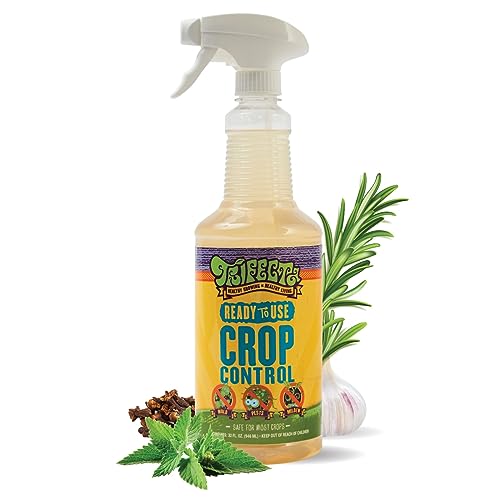
CROP, GARDEN & HOUSEPLANT INSECT CONTROL. Trifecta Crop Control all-natural, plant-based formula effectively combats destructive spider mites, aphids, whiteflies, fungus gnats, and other soft-bodied pests on indoor and outdoor plants. Our biodegradable, eco-friendly solution is safe for use on edible crops, without chemical residues. Our gentle yet potent plant spray suffocates and dehydrates pests without harming beneficial insects or the environment, making it ideal for organic gardening.
Managing Pests and Diseases
To prevent pests and diseases from harming your tomato plants, consider the following strategies:
- Inspect Regularly: Check your plants frequently for any signs of pests or diseases.
- Prune Wisely: Trim off affected leaves or stems to stop the spread of infections.
- Use Natural Predators: Introduce beneficial insects like ladybugs or lacewings to control harmful pests.
- Apply Neem Oil: Use neem oil as a natural pesticide to combat common tomato pests.
- Rotate Crops: Avoid planting tomatoes in the same spot each year to reduce the risk of recurring diseases.
Addressing Nutrient Deficiencies
If your tomato plants show signs of nutrient deficiencies, take these steps to address the issue:
- Test Soil: Conduct a soil test to determine which nutrients are lacking in your garden.
- Adjust pH Levels: Correct acidic or alkaline soil conditions by amending with lime or sulfur accordingly.
- Fertilize Appropriately: Provide balanced fertilization with a blend rich in nitrogen, phosphorus, and potassium based on plant needs.
- Consider Foliar Feeding: Apply liquid fertilizer directly on the leaves for quick nutrient absorption if deficiencies persist.
- Mulch Plants: Mulching helps retain moisture and regulate soil temperature, promoting healthy nutrient uptake.
Harvesting and Storing Tomatoes
Knowing When to Harvest
When it comes to harvesting tomatoes, timing is crucial for optimal flavor and texture. You’ll want to pick tomatoes when they are fully ripe but still firm to the touch. A ripe tomato should have a deep color and give slightly when gently squeezed. Avoid harvesting tomatoes that are overly soft or mushy as they might be overripe.
Best Practices for Storage
Proper storage techniques can help prolong the freshness of your harvested tomatoes. Here are some best practices:
- Room Temperature: Store fully ripe tomatoes at room temperature away from direct sunlight. This allows them to continue ripening without becoming too soft.
- Refrigeration: If you need to store ripe tomatoes for a longer period, you can place them in the refrigerator; however, this may affect their taste and texture.
- Avoid Stacking: Try not to stack tomatoes on top of each other during storage as this can cause bruising and spoilage.
- Use Paper Towels: If storing multiple tomatoes together, consider placing them in a single layer separated by paper towels to absorb excess moisture.
- Check Regularly: Inspect stored tomatoes frequently and use any that show signs of ripeness promptly to avoid waste.
Conclusion
Growing tomatoes successfully requires attention to detail and care throughout the process. By selecting the right tomato varieties, preparing nutrient-rich soil, and providing proper maintenance like consistent watering and fertilization, you set yourself up for a bountiful harvest. Remember to stay vigilant against pests and diseases by regularly inspecting your plants and implementing natural solutions when needed. Harvest your tomatoes at their peak ripeness to enjoy the best flavors, and store them correctly to prolong their freshness. With these steps in mind, you’re well on your way to becoming a successful tomato gardener. Happy growing!
Frequently Asked Questions
What are some recommended tomato varieties based on climate and flavor preferences?
Popular tomato varieties include Roma, Cherry, Beefsteak, Sungold, and Sweet Million tomatoes.
What type of soil is best for growing tomatoes?
Well-draining soil rich in organic matter with a pH level of 6.0-7.0 is ideal for growing tomatoes.
When should tomato seeds be started indoors?
Start tomato seeds indoors before the last frost date to ensure they have ample time to grow before transplanting outdoors.
How should I water my tomato plants?
Consistent watering practices are crucial for deep root growth and disease prevention in tomato plants.
What nutrients are important for fertilizing tomato plants?
Balanced fertilization with nutrients like nitrogen, phosphorus, and potassium is essential for healthy tomato plants.
How can I manage pests and diseases affecting my tomato plants?
Inspect plants regularly, prune affected parts, use natural predators, apply neem oil, and rotate crops to manage pests and diseases effectively.
How can I address nutrient deficiencies in my tomato plants?
Conduct soil testing, adjust pH levels as needed, provide appropriate fertilization or foliar feeding, and mulch plants for optimal nutrient uptake.
What are some tips for harvesting and storing tomatoes properly?
Harvest fully ripe but firm tomatoes for the best flavor and texture. Store ripe tomatoes at room temperature without stacking them to prevent bruising. Use paper towels to absorb moisture and check stored tomatoes regularly for ripeness.
