

Wondering when the perfect time is to start planting your tomatoes in Virginia? Picture this: you’re eager to get your hands dirty and kickstart your garden, but uncertainty lingers about the ideal timing for those tomato seeds. Fret not, as we’ve got you covered with all the essential insights to ensure a successful tomato-growing season in Virginia.
In this article, we’ll guide you through the best timeframe for planting tomatoes in Virginia, helping you avoid common pitfalls and maximize your harvest. By understanding the optimal planting window, you’ll set yourself up for bountiful yields of juicy, homegrown tomatoes that will elevate your culinary creations. Get ready to cultivate a thriving tomato garden with our expert advice tailored specifically for Virginia’s unique climate and conditions.
Key Takeaways
- Plant tomatoes in Virginia after the last frost date, typically between late April and early May, to protect them from potential frost damage.
- Consider regional climate factors like temperature variations and rainfall patterns when determining the best time to plant tomatoes in Virginia.
- Select tomato varieties such as Early Girl or Celebrity that are resistant to common diseases in Virginia for a successful harvest.
- Prepare your soil by ensuring it is well-draining, rich in organic matter, and has an ideal pH level between 6.0 and 6.8 before planting tomatoes.
- Aim for early season planting between late April and early May followed by mid-season adjustments to optimize growth and yield of tomato plants in Virginia.
- Maintain your tomato garden by watering consistently at the base of plants, using balanced fertilizer sparingly but consistently, controlling pests with organic methods, and preventing diseases through proper spacing and mulching.
Understanding Tomato Planting Seasons in Virginia
When it comes to planting tomatoes in Virginia, understanding the optimal timing is crucial. Let’s delve into why timing matters and consider regional climate considerations for successful tomato cultivation in Virginia.
Why Timing Matters
Planting tomatoes at the right time ensures they have the best chance to thrive. In Virginia, it’s recommended to plant tomatoes after the last frost date, which typically falls between late April and early May. By waiting until after this period, you can protect your tomato plants from potential frost damage and give them a strong start for the growing season.
Regional Climate Considerations
Virginia’s diverse climate plays a significant role in determining the ideal tomato planting season. The state experiences varying temperatures and precipitation levels across different regions. Coastal areas may have milder winters compared to mountainous regions, impacting when you should plant your tomatoes.
To maximize your tomato harvest in Virginia, consider factors such as average frost dates, temperature fluctuations, and rainfall patterns specific to your region. Adapting your planting schedule to align with these climate considerations can help you cultivate healthy tomato plants that yield delicious fruits throughout the growing season.
Preparing for Tomato Planting
When it comes to preparing for tomato planting in Virginia, there are key steps you should take to ensure a successful harvest.
Selecting the Right Tomato Varieties
To kick-start your tomato planting journey, it’s crucial to select the right tomato varieties that thrive in Virginia’s climate. Opt for varieties known for their resistance to common diseases in the region, such as Early Girl or Celebrity tomatoes. These varieties are well-suited to Virginia’s varying temperatures and can withstand potential challenges during the growing season.
Soil Preparation Tips
Before planting your tomatoes, focus on soil preparation to provide an optimal growing environment. Ensure your soil is well-draining and rich in organic matter by incorporating compost or aged manure into the ground. Aim for a soil pH level between 6.0 and 6.8, which is ideal for tomato growth. Testing your soil before planting can help you make necessary amendments to create a nutrient-rich foundation for your tomato plants.
By carefully selecting suitable tomato varieties and preparing your soil adequately, you set the stage for a successful tomato planting experience in Virginia.
Best Planting Windows for Tomatoes in Virginia
When considering the best time to plant tomatoes in Virginia, it’s essential to understand the optimal planting windows that align with the state’s climate variations. Here are key periods to focus on for successful tomato cultivation:
Early Season Planting
Start your tomato planting journey in Virginia by aiming for an early season window, typically falling between late April and early May after the last frost date. This period allows you to establish your tomato plants before the warmer months set in, giving them a strong foundation to thrive throughout the growing season.
Mid-Season Adjustments
As you progress through the growing season, be prepared to make mid-season adjustments based on how your tomato plants are developing. Monitor factors like temperature fluctuations and rainfall patterns to ensure your plants continue to receive adequate care and attention. Consider adjusting watering schedules or providing additional support as needed to optimize growth and yield.
By strategically planning your tomato planting schedule around these best planting windows in Virginia, you can increase the likelihood of a bountiful harvest tailored to the state’s unique climate conditions.
Maintaining Your Tomato Garden
After planting your tomatoes in Virginia, it’s essential to maintain your garden properly to ensure healthy plant growth and a bountiful harvest. Here are some key practices to help you care for your tomato plants effectively.
Recommended Products
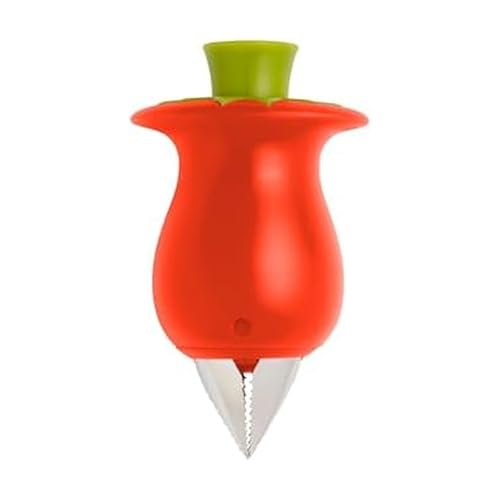
Designed to remove tomato hulls quickly and easily

GARDENING ESSENTIAL: Heavy duty, ergonomic hand cultivator with sharp tines ideal for a variety of gardening tasks like digging in tough soil, aerating soil, removing weeds, and more to encourage overall plant health and appearance

【Precision Design】 This tomato corer tool features sharp stainless steel teeth for effortless coring. Use as a strawberry huller to remove stems cleanly. The strawberry corer ensures minimal fruit waste every time.
Watering and Fertilizing Practices
When it comes to watering your tomato plants, consistency is key. Make sure to water them regularly, especially during dry periods, as consistent moisture levels help prevent issues like blossom end rot. Aim to water at the base of the plants early in the day to allow foliage to dry before evening, reducing the risk of diseases.
Fertilizing is also crucial for tomato plants’ health and productivity. Consider using a balanced fertilizer with equal parts nitrogen, phosphorus, and potassium to promote overall growth and fruit development. Apply fertilizer sparingly but consistently throughout the growing season following package instructions for best results.
Controlling Pests and Diseases
To protect your tomato plants from common pests like aphids or hornworms, regularly inspect them for any signs of infestation. You can handpick larger pests or use organic insecticidal soap for smaller ones while minimizing harm to beneficial insects like ladybugs.
Preventative measures against diseases such as blight include proper spacing between plants for adequate airflow and avoiding overhead watering that can spread fungal spores. Applying mulch around the base of your tomato plants can also help reduce soil splashback onto leaves, further lowering disease risks.
By incorporating these watering, fertilizing, pest control, and disease prevention practices into your routine maintenance schedule, you’ll be well-equipped to nurture thriving tomato plants in your Virginia garden.
Conclusion
Now you know the optimal time to plant tomatoes in Virginia, typically after the last frost date between late April and early May. By understanding Virginia’s climate variations across regions, selecting suitable tomato varieties, preparing your soil properly, and following best practices for maintenance, you can ensure healthy plant growth and a fruitful harvest. Remember, with the right timing and care, your tomato garden in Virginia can thrive throughout the growing season. Happy planting!
Frequently Asked Questions
When is the best time to plant tomatoes in Virginia?
The optimal timing for planting tomatoes in Virginia is typically after the last frost date between late April and early May.
What tomato varieties are suitable for planting in Virginia?
Suitable tomato varieties for Virginia include Early Girl or Celebrity, known for their resistance to common diseases in the region.
How should I prepare the soil for planting tomatoes in Virginia?
Prepare well-draining soil rich in organic matter with a pH level between 6.0 and 6.8 for successful tomato planting in Virginia.
What are some key steps for maintaining a healthy tomato garden in Virginia?
Maintain a healthy tomato garden by following watering and fertilizing techniques, implementing pest and disease control measures, and conducting routine maintenance.
