

Ever found yourself inspecting your tomato plants, only to discover mysterious nibbles on their stems? It’s frustrating, isn’t it? You’re not alone in this puzzling situation. Picture this: you’ve nurtured your tomato plants with care, eagerly anticipating a bountiful harvest, only to encounter the mystery of what’s devouring their stems.
Key Takeaways
- Common culprits behind tomato stem damage include tomato hornworms, cutworms, and squirrels/rodents.
- Symptoms of tomato plant stem damage include visible chewing marks and wilted/drooping plants.
- Preventive measures to protect tomato plants involve using barriers, repellents, and attracting beneficial predators.
- Effective treatment options for pests attacking tomato plant stems include organic pesticides like neem oil and mechanical removal techniques.
Identifying Common Culprits Behind Tomato Stem Damage
If you notice mysterious nibbles on your tomato plant stems, it’s essential to identify the potential culprits causing the damage. Here are some common pests and animals that could be responsible:
Tomato Hornworms
Tomato hornworms are large, green caterpillars with distinctive markings that feed voraciously on tomato plants. These pests can quickly strip a plant of its leaves and chew through stems, causing significant damage. If you spot large droppings or missing foliage near your tomato plants, you may have a tomato hornworm infestation.
Cutworms
Cutworms are another common pest that can target tomato plants. These caterpillars hide in the soil during the day and emerge at night to feed on tender plant stems near the soil line. If you find young tomato plants cut off at their base or notice wilting stems, cutworms may be to blame.
Squirrels and Other Rodents
Squirrels and other rodents can also cause damage to tomato plant stems. These critters may gnaw on stems or even uproot entire plants in search of food. If you see bite marks on your tomato plant stems or notice dug-up areas around your garden, squirrels or rodents could be the culprits.
By identifying these common pests and animals that target tomato plant stems, you can take proactive measures to protect your plants and prevent further damage.
Symptoms of Tomato Plant Stem Damage
If you’re wondering what’s been eating away at your tomato plant stems, here are some key symptoms to look out for:
Visible Chewing Marks
Inspect your tomato plant stems closely for visible chewing marks. Pests like tomato hornworms and cutworms leave distinct bite marks on the stems as they feed. These marks may appear jagged or irregular, indicating active feeding by these common culprits.
Wilted or Drooping Plants
Another sign of stem damage is wilted or drooping plants. When pests target the stems of your tomato plants, it can disrupt the flow of nutrients and water, leading to wilting or drooping foliage. Keep an eye out for any unusual changes in the overall appearance of your plants that could indicate underlying stem damage.
Preventive Measures to Protect Tomato Plants
When it comes to safeguarding your tomato plants from pests, there are effective preventive measures you can take. By implementing the following strategies, you can create a protective environment for your tomatoes.
Recommended Products

KILLS LISTED INSECTS THROUGH CONTACT: Spinosad-based formula controls aphids, caterpillars, mealybugs, spider mites, thrips, and 30 listed pests on edible and ornamental plants
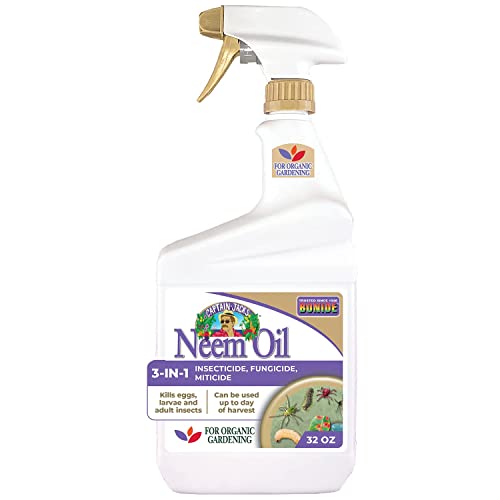
Protect your oasis with 3 garden products in 1 from Captain Jack’s; Bonide Captain Jack’s Ready-to-Use Neem Oil spray for plants is a multi-purpose fungicide, insecticide and miticide for your lawn & garden

PEST DEFENSE - This product is designed to kill species of aphid, spider mite, ant, cricket, weevil, caterpillar, fly, thrip, silverfish & more.
Using Barriers and Repellents
To deter pests from damaging your tomato plant stems, consider using physical barriers and natural repellents.
- Physical Barriers: Installing physical barriers like row covers or cages around your tomato plants can prevent pests such as cutworms from accessing the stems.
- Natural Repellents: Applying natural repellents like garlic spray or neem oil can help repel common pests that target tomato plants.
Encouraging Beneficial Predators
Another way to protect your tomato plants is by attracting beneficial predators that feed on harmful insects.
- Ladybugs: Encourage ladybugs in your garden as they prey on aphids and other soft-bodied insects that can cause damage to tomato plants.
- Praying Mantis: These voracious predators feed on a wide range of garden pests and can help keep the pest population in check.
By incorporating these preventive measures into your gardening routine, you can effectively shield your tomato plants from potential harm caused by pests.
Effective Treatment Options
When dealing with pests attacking your tomato plant stems, there are several effective treatment options you can consider. Below are some organic pesticides and mechanical removal techniques that can help protect your tomato plants.
Recommended Products

FUNGAL DISEASE CONTROL: Prevents and controls black spot on roses, powdery mildew, rust, downy mildew, and other listed fungal diseases when applied on a 7–14 day schedule

Protect your oasis with Captain Jack’s Neem Max Ready-to-Use Spray; this multipurpose product acts as a 4-in-1 insecticide, fungicide, miticide and nematicide

3 GARDEN PRODUCTS IN 1: Fungicide, insecticide & miticide kills eggs, larvae & adult stages of insects
Organic Pesticides
Organic pesticides offer a natural way to control pests without harmful chemicals. Consider using neem oil, which acts as a repellent against many common garden pests like aphids and caterpillars. Another option is diatomaceous earth, a powdery substance that damages the exoskeletons of insects, effectively eliminating them from your plants.
Mechanical Removal Techniques
Mechanical removal techniques involve physically removing pests from your tomato plants. One method is handpicking the pests off the stems and leaves. For larger infestations, you can use a strong stream of water to wash away the insects from the plant. Additionally, placing sticky traps near your plants can catch crawling insects before they reach your tomatoes.
By incorporating these organic pesticides and mechanical removal techniques into your gardening routine, you can effectively combat pests attacking your tomato plant stems and ensure healthy growth for your precious tomatoes.
Conclusion
Now armed with the knowledge of common pests like tomato hornworms and cutworms that target your precious tomato plant stems, you can take proactive steps to protect your plants. By implementing preventive measures such as row covers, garlic spray, and attracting beneficial predators, you can create a hostile environment for these pesky intruders. Additionally, utilizing organic pesticides like neem oil and diatomaceous earth or resorting to manual removal techniques will help you combat these threats effectively. Remember, early detection and swift action are key to safeguarding your tomato plants from harm. With these strategies in place, you can enjoy a flourishing garden full of healthy tomatoes all season long.
Frequently Asked Questions
What are some common pests that damage tomato plant stems?
Tomato hornworms and cutworms are common pests that damage tomato plant stems, leading to symptoms like stem chew marks and wilted plants.
How can I prevent pests from attacking my tomato plants?
Preventive measures include using row covers to protect plants, spraying garlic solution as a natural deterrent, and attracting beneficial predators like ladybugs and lacewings to control pest populations.
What treatment options are available for pests on tomato plant stems?
Effective treatment options include applying organic pesticides such as neem oil or diatomaceous earth directly on affected areas. Mechanical removal techniques like handpicking pests off plants or using water streams/sticky traps can also help control pest infestations.
