

Are you tired of waiting endlessly for your tomato plants to bear fruit? Picture this: you’ve planted your garden, tended to your seedlings with care, but the slow growth is putting a damper on your gardening enthusiasm. What if there were simple yet effective ways to accelerate the growth of your tomato plants and enjoy a bountiful harvest sooner?
Key Takeaways
- Understanding Tomato Growth Requirements:Optimal soil preparation, proper watering, and adequate sunlight exposure are crucial for faster tomato plant growth.
- Optimal soil preparation, proper watering, and adequate sunlight exposure are crucial for faster tomato plant growth.
- Choosing the Right Tomato Varieties:Select determinate varieties for quicker harvests and consider priorities when choosing between hybrid and heirloom tomatoes.
- Select determinate varieties for quicker harvests and consider priorities when choosing between hybrid and heirloom tomatoes.
- Effective Planting Techniques:Plant tomatoes at the right time in warm temperatures, space them properly, and ensure correct planting depth for faster growth.
- Plant tomatoes at the right time in warm temperatures, space them properly, and ensure correct planting depth for faster growth.
- Nutrient Management for Faster Growth:Use balanced fertilizers with NPK ratios suitable for tomatoes, supplement with calcium to prevent blossom end rot, and consider organic vs. chemical nutrients.
- Use balanced fertilizers with NPK ratios suitable for tomatoes, supplement with calcium to prevent blossom end rot, and consider organic vs. chemical nutrients.
- Common Problems and Solutions:Implement pest management strategies like introducing beneficial insects or using natural predators to control aphids, hornworms, and whiteflies. Prevent diseases like early blight, late blight, and blossom end rot through proper cultural practices such as avoiding overhead watering and maintaining consistent soil moisture levels.
- Implement pest management strategies like introducing beneficial insects or using natural predators to control aphids, hornworms, and whiteflies.
- Prevent diseases like early blight, late blight, and blossom end rot through proper cultural practices such as avoiding overhead watering and maintaining consistent soil moisture levels.
Understanding Tomato Growth Requirements
To ensure your tomato plants thrive and grow faster, it’s essential to understand their specific growth requirements. Here are key factors you need to consider:
Soil Preparation
For optimal growth, your tomato plants require well-draining, nutrient-rich soil. Ensure the soil is loose and airy to promote healthy root development. Consider adding organic matter like compost or aged manure to provide essential nutrients for robust growth.
Watering Needs
Proper watering is crucial for accelerating the growth of your tomato plants. Keep the soil consistently moist but not waterlogged. A good practice is to water deeply but infrequently to encourage deep root growth. During hot weather, increase watering frequency to prevent dehydration.
Sunlight and Placement
Tomato plants thrive in full sunlight, requiring at least 6-8 hours of direct sun exposure daily. Choose a sunny spot in your garden or balcony where they can receive ample sunlight throughout the day. Proper placement ensures that your tomato plants photosynthesize efficiently, leading to faster growth.
By meeting these fundamental requirements for soil preparation, watering needs, and sunlight exposure, you’ll create an ideal environment for your tomato plants to grow quickly and produce a bountiful harvest.
Choosing the Right Tomato Varieties
When selecting tomato varieties for faster growth, consider factors like the plant’s genetic makeup and growth characteristics. Here’s how to make informed choices:
Recommended Products

PERFECT FOR SMALL SPACES – Grow juicy, bite-sized cherry tomatoes in the smallest of spaces! Tiny Tim thrives in containers, patios, and even sunny windowsills, making it the ideal choice for home gardeners who love fresh, homegrown flavor without a large garden.

PERFECT FOR SMALL SPACES – Tiny Tim’s compact plants thrive on patios, balconies, or sunny windowsills, giving you fresh cherry tomatoes even without a traditional vegetable garden plot

Premium Cherry Tomato Seeds: Authentic Open-Pollinated Premium Heirloom Seeds (USA) Non-GMO, Untreated, High Germination Rate. High-growing variety for open ground, greenhouses, patio containers, and urban farming. Explosive berry flavor. Cascades of glossy ruby clusters. Prolonged fruiting cycle.
Determining Fast-Growing Varieties
Look for determinate tomato varieties if you want quicker harvests. These types typically produce fruit earlier than indeterminate varieties. Examples of fast-growing determinate tomatoes include ‘Early Girl’ and ‘Celebrity.’
Hybrid vs. Heirloom Tomatoes
Hybrid tomatoes are bred for specific traits like disease resistance and faster growth, resulting in more robust plants but with less diversity in flavor. On the other hand, heirloom tomatoes offer unique tastes but may take longer to mature. Consider your priorities when choosing between hybrids for speed or heirlooms for flavor nuances in your garden.
Effective Planting Techniques
To ensure your tomato plants grow faster, consider the following planting techniques.
Recommended Products

Upgraded Self-Watering System: Tired of daily watering? Our self-watering planter features a built-in reservoir and a unique bottom grid design that utilizes the siphon effect for consistent hydration—preventing both root rot from overwatering and drought stress. Ideal for busy homeowners and frequent travelers who need low-maintenance planters.

【New generation Plant Support Cage】Different from other tomato trellis, LOMNYIY tomato support cage have the newest plug-in connection, and unique double-layer metal tube built-in interface design to stay together tighter and more stable. And the poles are very hard with a metal core, yet are coated entirely in plastic to keep them from rusting, and the heat dissipation is good. It means strong durable performance can hold up in the wind with heavy tomato plants in them.

Precise Planting Measurement: The foldable plant ruler is designed to provide precise measurements for seed spacing, ensuring optimal growth for a variety of vegetables including carrots, tomatoes, peas, potatoes, and cabbage.
Timing and Seasonal Impact
Plant your tomato seeds or seedlings at the right time to optimize growth. Choose a season with warm temperatures, typically after the last frost date in your area. Tomatoes thrive in temperatures between 65-85°F (18-29°C), so planting them when the weather is consistently warm will promote faster growth.
Spacing and Depth Best Practices
When planting your tomato plants, ensure proper spacing between each plant to allow for adequate airflow and sunlight penetration. A general guideline is to space determinate varieties about 1-2 feet apart and indeterminate varieties 2-3 feet apart. Additionally, plant your tomatoes at the right depth—burying them deeper than they were in their containers can encourage root development and support faster growth.
Nutrient Management for Faster Growth
To ensure your tomato plants grow faster, proper nutrient management is essential. Providing the right fertilizers and understanding the differences between organic and chemical nutrients can significantly impact their growth rate.
Recommended Products
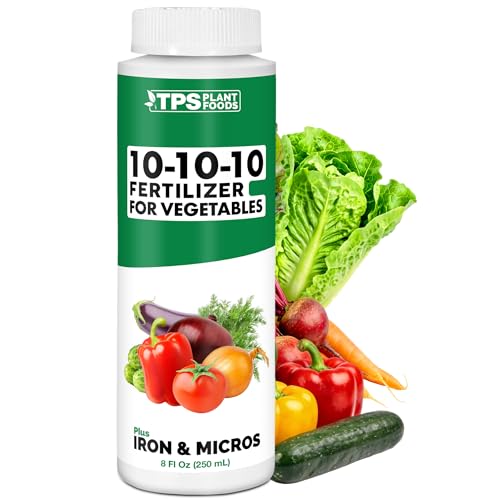
Supports Roots, Foliage & Yield – Helps encourage strong roots, healthy leaves, and productive harvests.

🌿 Balanced 10-10-10 Granular Fertilizer for Outdoor & Indoor Plants: All-purpose plant food with 10% Nitrogen, 10% Phosphorus, and 10% Potassium. Perfect for outdoor vegetable gardens, fruit trees, evergreens, shrubs, lawns, and flowers. Also great for potted plants and indoor gardening. One solution for all your plant needs!

Balanced 5-10-10 Fertilizer Formula – 5-10-10 fertilizer delivers essential nutrients with higher phosphorus and potassium to support plant development.
Essential Fertilizers for Tomatoes
For faster growth, your tomato plants require specific nutrients to thrive. Consider using a balanced fertilizer with equal parts nitrogen, phosphorus, and potassium (NPK). Nitrogen aids in leafy green growth, phosphorus supports root development, and potassium boosts overall plant health. Look for fertilizers labeled specifically for tomatoes or vegetables to meet their unique needs.
Additionally, supplementing with calcium can prevent blossom end rot—a common issue in tomato plants. You can use crushed eggshells or specialized calcium supplements to ensure your plants receive an adequate supply of this vital nutrient.
Organic vs. Chemical Nutrients
When deciding between organic and chemical nutrients for your tomato plants, consider the benefits of each type. Organic fertilizers are derived from natural sources like compost, manure, or bone meal. They release nutrients slowly over time and improve soil structure while promoting microbial activity.
On the other hand, chemical fertilizers provide a quick nutrient boost to plants but may lead to salt buildup in the soil if overused. They are easily absorbed by plants but do not contribute to long-term soil health.
You can choose to use a combination of both types of fertilizers—organic for soil enrichment and long-term benefits, and chemical for immediate nutrient availability when needed during different growth stages of your tomato plants.
Common Problems and Solutions
When it comes to growing tomato plants faster, you may encounter some common problems along the way. Here are practical solutions to help you address these issues effectively.
Pest Management
To ensure your tomato plants grow quickly, it’s essential to manage pests that can hinder their development. Common pests that affect tomato plants include aphids, hornworms, and whiteflies.
- Aphids: These small insects feed on plant sap, causing stunted growth. To control aphids naturally, you can introduce beneficial insects like ladybugs or use insecticidal soap.
- Hornworms: These large caterpillars can devour tomato plant leaves rapidly. Handpicking them off the plants or using Bacillus thuringiensis (Bt) spray can help eliminate hornworm infestations.
- Whiteflies: Whiteflies damage tomato plants by sucking sap from the leaves, leading to yellowing and wilting. You can deter whiteflies by introducing natural predators like lacewings or using reflective mulch around your plants.
By implementing proper pest management strategies, you can protect your tomato plants from harmful insects and promote faster growth.
Disease Prevention and Control
Tomato plants are susceptible to various diseases that can impede their growth progress. It’s crucial to take preventive measures and have a plan for controlling diseases if they appear.
- Early Blight: This fungal disease causes dark spots on lower leaves, eventually leading to defoliation. To prevent early blight, avoid overhead watering and ensure good air circulation around your plants.
- Late Blight: Late blight is a serious disease that thrives in cool, wet conditions. Remove infected plant parts promptly and consider applying copper-based fungicides preventatively.
- Blossom End Rot: A physiological disorder caused by calcium deficiency, blossom end rot results in dark sunken spots at the bottom of tomatoes. Maintain consistent soil moisture levels and add calcium-rich amendments like gypsum to prevent this issue.
By practicing good cultural practices such as proper spacing between plants, adequate ventilation, and regular inspection for signs of disease, you can keep your tomato plants healthy and thriving towards faster growth.
Conclusion
You now have a solid understanding of how to boost the growth of your tomato plants. By implementing the strategies discussed, such as proper soil preparation, watering techniques, sunlight exposure, and choosing the right tomato varieties, you are well on your way to faster plant growth. Remember to pay attention to planting details like timing, spacing, and depth for optimal results. Additionally, be proactive in addressing common issues like pests and diseases that may impede your tomato plants’ progress. With natural pest control methods and disease prevention measures in place, you can ensure your tomato plants stay healthy and thrive as they grow quickly. Happy gardening!
Frequently Asked Questions
How can I accelerate tomato plant growth?
To accelerate tomato plant growth, ensure proper soil preparation with nutrient-rich soil, consistent watering to keep the soil moist but not waterlogged, and ample sunlight exposure for at least 6-8 hours daily. Select suitable tomato varieties that thrive in your climate and consider planting techniques like timing (after the last frost), spacing plants 18-24 inches apart, and planting them deep to encourage root development.
What are common pests and diseases affecting tomato plants?
Common pests that can hinder tomato plant growth include aphids, hornworms, and whiteflies. Diseases such as early blight, late blight, and blossom end rot can also affect tomatoes. Implement natural pest control methods like introducing beneficial insects or using neem oil to deter pests. Prevent diseases by practicing crop rotation, ensuring good air circulation around plants, and avoiding overhead watering to reduce humidity levels.
