

Are you struggling to get your lettuce to thrive? You’re not alone. Many gardeners find it tricky to choose the right fertilizer to boost growth and flavor. With so many options out there, it’s easy to feel overwhelmed.
Key Takeaways
- Nutritional Requirements: Lettuce thrives on a balanced supply of macronutrients—nitrogen, phosphorus, and potassium—along with essential micronutrients like iron, calcium, and magnesium.
- Fertilizer Types: Choose between organic options (compost, manure, bone meal, fish emulsion) for gradual nutrient release or inorganic options (urea, balanced N-P-K, liquid, slow-release) for immediate nutrient availability.
- Fertilization Timing: Start fertilizing before planting, with follow-up applications every 2-4 weeks during the growing season to support strong growth and continuous nutrient supply.
- Application Methods: Use effective methods like broadcasting, side-dressing, liquid feeding, or fertilizer tablets/spikes to apply nutrients appropriately without harming the roots.
- Soil Testing: Conduct soil tests to assess nutrient levels and pH, allowing for tailored amendments and better-informed fertilizer choices.
- Reading Labels: Pay attention to fertilizer labels, focusing on the N-P-K ratio and micronutrient content to ensure the right nutrient balance for optimal lettuce growth.
Understanding Lettuce Nutritional Needs
Lettuce thrives when it receives the right balance of nutrients. Understanding these requirements enhances both growth and flavor.
Macronutrients Required
Lettuce needs three primary macronutrients for optimal growth: nitrogen, phosphorus, and potassium.
- Nitrogen: Essential for leafy growth. It promotes vibrant green leaves and enhances overall plant vigor. High-nitrogen fertilizers, such as ammonium nitrate or urea, work well.
- Phosphorus: Supports root development and plays a role in photosynthesis. Fertilizers with balanced ratios or those specifically labeled for leafy greens provide adequate phosphorus.
- Potassium: Enhances disease resistance and water regulation. Look for potash or potassium sulfate to ensure proper potassium levels.
Micronutrients Essential for Growth
While macronutrients are crucial, micronutrients also play an important role in lettuce growth.
- Iron: Vital for chlorophyll production. A deficiency can lead to yellowing leaves, so consider iron chelates if you notice this issue.
- Calcium: Important for cell wall structure, calcium prevents issues like tip burn. Gypsum or lime can supply calcium effectively.
- Magnesium: Supports photosynthesis and affects nutrient uptake. Epsom salt serves as a good source of magnesium.
Monitoring nutrient levels and addressing deficiencies keeps your lettuce healthy and flavorful. Use soil tests to identify specific nutrient needs for your growing environment.
Types of Fertilizers for Lettuce
Selecting the right fertilizer for lettuce is crucial for achieving robust growth and a flavorful harvest. Consider the following types of fertilizers to meet your lettuce’s nutritional needs.
Recommended Products

FOR USE ON: Use Chicken Manure organic fertilizer for flowers (annuals, perennials, and roses), Vegetables (tomatoes, peppers, squash, and lettuce), trees and shrubs.
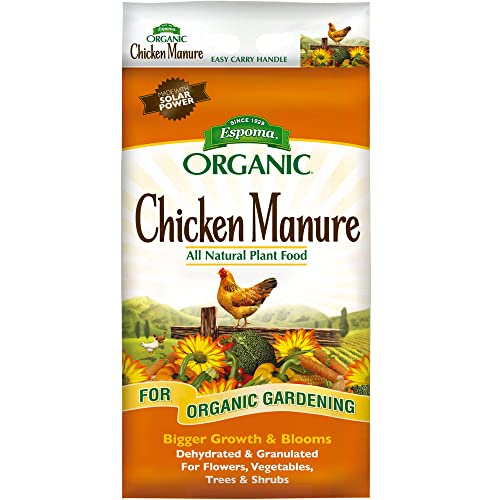
FOR USE ON: Use Chicken Manure organic fertilizer for flowers (annuals, perennials, and roses), Vegetables (tomatoes, peppers, squash, and lettuce), trees and shrubs.

NUTRIENT-RICH GROWTH: Premium cow manure compost packed with nitrogen, calcium, and iron. This organic compost fertilizer enriches soil, boosts microbial life, and supports bigger vegetables, greener lawns, and thriving flowers.
Organic Fertilizers
Organic fertilizers enhance soil health and offer gradual nutrient release. They include:
- Compost: Enriches soil with essential nutrients and improves moisture retention. Apply 1-2 inches of compost to the soil before planting.
- Manure: Provides nitrogen and improves soil structure. Use well-aged manure, applying about 2-3 pounds per 100 square feet.
- Bone Meal: Supplies phosphorus, promoting strong root systems. Incorporate 1-2 cups per 10 square feet into the soil at planting time.
- Fish Emulsion: Delivers a balanced nutrient profile. Mix 1-2 tablespoons per gallon of water and apply every 2-4 weeks during the growing season.
Inorganic Fertilizers
Inorganic fertilizers offer quick nutrient availability for lettuce. Key options include:
- Nitrogen Fertilizers: Urea or ammonium nitrate provides rapid nitrogen supply, promoting leafy growth. Apply according to soil test recommendations, typically 1-2 pounds per 100 square feet.
- Balanced N-P-K Fertilizers: These contain nitrogen, phosphorus, and potassium in equal ratios (e.g., 10-10-10). Apply 1-2 pounds per 100 square feet every 6-8 weeks.
- Liquid Fertilizers: Quick-release forms, such as 20-20-20, can be mixed with water and applied every 2-3 weeks for immediate nutrient access.
- Slow-Release Fertilizers: Formulations like Osmocote provide nutrients over time. Follow label instructions for application rates and timing.
By using these fertilizer options, you can enhance your lettuce’s growth and optimize its flavor effectively.
Best Practices for Fertilizing Lettuce
Fertilizing lettuce involves specific timing, frequency, and application methods to maximize growth and flavor. Following these best practices ensures your lettuce thrives.
Recommended Products

GROWTH SUPPORT FOR EVERY STAGE: Big Bloom Fertilizer is carefully formulated to support plants during every stage of growth.

All-Purpose Organic Plant Food: Specially formulated for abundant growth of organic fruits, flowers, vegetables, herbs, and foliage. Ideal for both in-ground and container plants, indoors and outdoors.

🥬 CRAFTED FOR ALL LETTUCE VARIETIES – Gardenera LIQUID POWER Lettuce Fertilizer is specially formulated to support rapid leaf development, crisp texture, and vibrant green color in romaine, butterhead, iceberg, red leaf, and loose-leaf lettuces.
Timing and Frequency
Fertilizing at the right moment significantly affects your lettuce’s growth. Begin fertilization before planting. Incorporate a balanced fertilizer into the soil to prepare it for plant growth.
You can fertilize again two weeks after sowing seeds or transplanting seedlings to promote strong development. For ongoing growth, side-dress lettuce every 2 to 4 weeks with a nitrogen-rich fertilizer. This cadence supports healthy leaf production and ensures nutrient availability throughout the growing season.
Application Methods
You can apply fertilizer using several methods, each effective for lettuce growth. Here are key options:
- Broadcasting: Spread granular fertilizer evenly over the soil surface, then lightly rake it into the top inch of soil. This method enhances soil contact and nutrient absorption.
- Side-Dressing: Place fertilizer in a band alongside the plants about 2-4 inches away from the base. This method minimizes root burn while providing nutrients directly to the plant.
- Liquid Feeding: Mix water-soluble fertilizers with water and apply them through a watering can or sprayer. This method delivers nutrients quickly and efficiently for immediate uptake.
- Fertilizer Tablets or Spikes: Insert these into the soil during planting. They provide a slow release of nutrients as you water, ensuring continuous nourishment throughout the growing season.
Through these practices, you’ll ensure your lettuce receives the right nutrients at the right time for optimal growth and flavor.
Determining the Right Fertilizer
Choosing the right fertilizer for lettuce starts with understanding your soil’s needs and the nutrients lettuce requires.
Recommended Products

MasterBlend Lettuce Fertilizer Formula by PowerGrow Systems is fully Water Soluble

HIGH NITROGEN FERTILIZER FOR PLANT DEVELOPMENT: RAW Nitrogen is a high nitrogen fertilizer with 20% ammonium nitrogen in a water-soluble formula. This nitrogen fertilizer for plants promotes healthy leaf and stem development and integrates easily into feeding programs.

28-0-0 Liquid Lawn Food Nutritional Supplement: High Nitrogen Formula. Nitrogen aids in the formation of chlorophyll where plants get their green coloring. The addition of Nitrogen encourages vigorous growth for the development of a dense attractive lawn.
Soil Testing
Conducting soil tests provides insight into nutrient levels and pH balance. Use a soil testing kit to measure nitrogen, phosphorus, and potassium, as well as micronutrient levels. Testing can help you identify deficiencies or excesses. Ideally, conduct tests in the spring before planting. Once you get the results, amend your soil accordingly. You might need to add lime to adjust pH or incorporate specific fertilizers to correct nutrient shortages. Soil tests allow you to tailor your fertilization approach for optimal lettuce growth.
Reading Fertilizer Labels
Reading fertilizer labels helps you make informed decisions. Look for the N-P-K ratio, which indicates the levels of nitrogen, phosphorus, and potassium. Lettuce benefits from a nitrogen-rich fertilizer, commonly found in ratios like 10-10-10 or 5-10-10. Additionally, pay attention to any micronutrients listed, such as calcium or magnesium, as these support healthy lettuce development. Check for application rates specified on the label to avoid over-fertilizing. Following these instructions ensures you provide your plants with the correct amounts of necessary nutrients, promoting healthy growth and improved flavor.
Conclusion
Choosing the right fertilizer for your lettuce can make all the difference in your garden. By understanding its nutritional needs and selecting the appropriate fertilizer type you can ensure vibrant growth and delicious flavor. Whether you opt for organic or inorganic options remember to monitor your soil and adjust your approach based on its specific requirements.
With the right timing and application methods you’ll be well on your way to enjoying a bountiful harvest. So grab your gardening tools and get ready to nurture those greens. Happy gardening!
Frequently Asked Questions
What are the main nutrients lettuce needs for optimal growth?
Lettuce requires three primary macronutrients: nitrogen, phosphorus, and potassium. Nitrogen encourages leafy growth, phosphorus aids in root development, and potassium helps with disease resistance. Additionally, essential micronutrients like iron, calcium, and magnesium also play vital roles in overall plant health.
How do I choose the right fertilizer for my lettuce?
Selecting the right fertilizer involves understanding your soil’s specific needs. Conduct a soil test to determine nutrient levels and deficiencies. Look for a balanced fertilizer that aligns with your findings and consider organic options like compost or inorganic options such as balanced N-P-K fertilizers for targeted nutrition.
When should I fertilize my lettuce?
Fertilization should start before planting. Mix a balanced fertilizer into the soil, then fertilize again two weeks after sowing seeds or transplanting. Side-dress every 2 to 4 weeks with a nitrogen-rich fertilizer to ensure continuous support for leaf development throughout the growing season.
What are the differences between organic and inorganic fertilizers?
Organic fertilizers, like compost and manure, improve soil health and release nutrients slowly, enhancing long-term soil fertility. In contrast, inorganic fertilizers, such as nitrogen-based options, provide nutrients quickly, which can lead to rapid growth. Both types can effectively support lettuce growth but serve different purposes.
How can I ensure my lettuce has a good flavor?
To enhance your lettuce’s flavor, focus on proper fertilization by supplying the necessary macronutrients and micronutrients. Monitor nutrient levels through soil tests, and avoid over-fertilization, which can lead to bland taste. Consistent care regarding watering and timing also contributes to flavorful growth.
