

Ever wondered why your tomato plants seem to disappear overnight? Picture this: you step into your garden, ready to pick some fresh tomatoes, only to find half-eaten leaves and mysterious bite marks on the stems. What could possibly be feasting on your beloved tomato plants?
In this article, you’ll uncover the culprits behind these midnight munchies. By understanding what eats a tomato plant, you’ll be equipped with the knowledge to protect your garden and ensure a bountiful harvest. Stay tuned as we reveal the secrets lurking in your backyard and how to outsmart these sneaky intruders.
Key Takeaways
- Common pests like insects (aphids, hornworms), mammals (rabbits, squirrels), and birds can eat tomato plants.
- Signs of damage include chewed leaves, holes, discoloration, bite marks on fruit, wilting stems, and missing tomatoes.
- Preventative measures include using natural repellents (garlic spray, companion herbs) and chemical solutions if needed.
- To help damaged plants recover, prune affected parts promptly and provide adequate water, sunlight, and nutrients.
- Consider replacing severely damaged tomato plants that show little improvement despite recovery efforts.
Common Pests That Eat Tomato Plants
If you’re wondering what eats a tomato plant, it’s essential to be aware of the common pests that can cause damage. Here are some culprits to watch out for:
Recommended Products

Protect your oasis with 3 garden products in 1 from Captain Jack’s; Bonide Captain Jack’s Ready-to-Use Neem Oil spray for plants is a multi-purpose fungicide, insecticide and miticide for your lawn & garden

PEST DEFENSE - This product is designed to kill species of aphid, spider mite, ant, cricket, weevil, caterpillar, fly, thrip, silverfish & more.
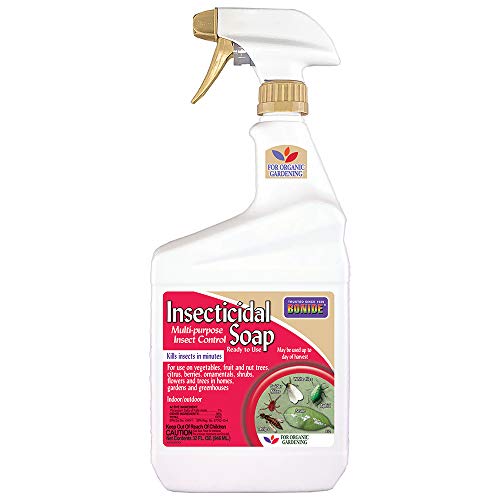
Captain Jack's Insecticidal Super Soap controls species of adelgid, ant, aphid, borer, caterpillar, spider mite, cricket, chinch bug, weevil, fly, thrip, and more
Insects and Small Bugs
In your garden, tiny but destructive creatures like aphids, hornworms, and spider mites could be feasting on your tomato plants. These pests often go unnoticed but can quickly multiply and wreak havoc on your crop if left unchecked.
Larger Mammals and Birds
Larger animals such as rabbits, squirrels, and birds may also find your tomato plants irresistible. Rabbits can nibble away at tender leaves, while squirrels might dig up young plants. Birds are known to peck at ripening tomatoes, causing significant damage to your harvest.
By being vigilant and implementing preventive measures like installing fences or using natural repellents, you can protect your tomato plants from these hungry intruders. Stay one step ahead of these pests to ensure a thriving garden and a bountiful tomato harvest.
Identifying Signs of Tomato Plant Damage
When inspecting your tomato plants for potential damage, it’s essential to look out for specific signs that indicate issues. Here are some key indicators to help you identify if your tomato plants are being affected:
Leaf Marks and Patterns
Examine the leaves of your tomato plants closely for any unusual marks or patterns. Look out for:
- Chewed Edges: If you notice irregular, jagged edges on the leaves, it could be a sign of insect feeding.
- Holes: Holes in the leaves may indicate the presence of pests like caterpillars or beetles.
- Yellowing or Browning: Discoloration on the leaves can result from various factors, including nutrient deficiencies or diseases.
Effects on Fruit and Stems
Inspect the fruit and stems of your tomato plants to detect any abnormalities that might suggest damage:
- Bite Marks: Check if there are bite marks on the tomatoes, which could be caused by rodents like squirrels or birds.
- Wilting or Drooping: Wilting stems or drooping fruit can signal water stress or disease affecting the plant.
- Missing Fruit: If you find missing tomatoes that were previously present, it’s likely that animals are feasting on them.
By paying attention to these signs and patterns, you’ll be better equipped to address any issues promptly and protect your tomato plants effectively.
Preventative Measures
When it comes to protecting your tomato plants, there are effective preventative measures you can take to safeguard them from potential threats. By implementing these strategies, you can ensure the health and vitality of your tomato plants.
Natural Repellants and Barriers
To naturally deter pests and animals from damaging your tomato plants, consider using organic repellents like garlic spray or planting companion herbs such as basil or marigolds. These natural solutions can help keep unwanted visitors at bay while promoting a healthy garden ecosystem.
Chemical Solutions
In cases where natural repellents may not suffice, chemical solutions can be used as a last resort. Consult with local gardening experts or nurseries to identify safe and effective pesticides that target specific pests without harming beneficial insects. Always follow instructions carefully when applying chemicals to protect both your plants and the environment.
Solutions for Recovery
If your tomato plants have fallen victim to pests or animals, there are practical steps you can take to help them recover and thrive again. Here are some effective solutions:
Recommended Products

3-IN-1 PLANT CARE: 3-In-1 Insect, Disease & Plant Mite Control provides insect control, disease control, and plant mite control all in one; Rainproof protection starts in 4 hours and lasts up to 14 days

Protect your oasis with Captain Jack's Bt Thuricide Ready-to-Use Spray; this product controls cabbage looper, hornworms, tent caterpillars and more
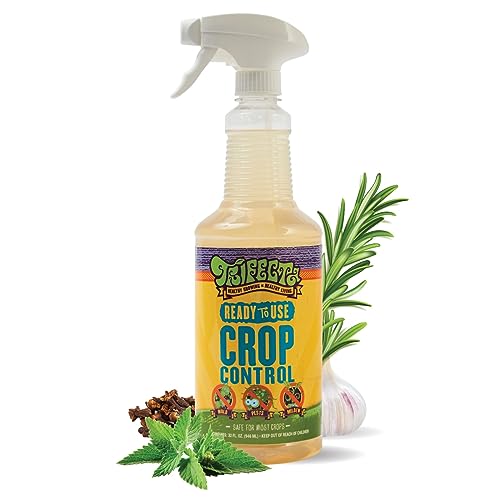
CROP, GARDEN & HOUSEPLANT INSECT CONTROL. Trifecta Crop Control all-natural, plant-based formula effectively combats destructive spider mites, aphids, whiteflies, fungus gnats, and other soft-bodied pests on indoor and outdoor plants. Our biodegradable, eco-friendly solution is safe for use on edible crops, without chemical residues. Our gentle yet potent plant spray suffocates and dehydrates pests without harming beneficial insects or the environment, making it ideal for organic gardening.
Pruning and Caring for Affected Plants
Inspect your tomato plants regularly for signs of damage. If you notice any affected areas, promptly prune the damaged parts to encourage new growth and prevent the spread of diseases. Ensure that your plants receive adequate water, sunlight, and nutrients to support their recovery process.
When to Replace a Tomato Plant
Sometimes, despite your best efforts, a severely damaged tomato plant may not recover. If the plant shows extensive damage with little to no improvement after implementing recovery measures, it might be time to consider replacing it with a new healthy seedling. Look out for wilting leaves, stunted growth, or persistent pest infestations as indicators that replacement could be necessary.
Conclusion
As you’ve learned, protecting your tomato plants from pests and animals is crucial for their growth. By being proactive with preventive measures like fences and natural repellents, you can minimize damage. Remember to promptly address any signs of harm to ensure the health of your plants. If your tomato plants do suffer damage, implementing recovery strategies such as pruning and proper care can help them bounce back. Stay vigilant in monitoring for issues and create optimal conditions for your tomato plants to flourish. With these steps in mind, you’ll be better equipped to keep your tomato plants thriving throughout the growing season.
Frequently Asked Questions
What are the common reasons for tomato plants disappearing from gardens?
Tomato plants often disappear due to pests like birds, insects, and animals that feed on them.
How can I protect my tomato plants from pests and animals?
Protect your tomato plants by installing fences, using natural repellents like garlic spray or neem oil, and covering them with netting.
What are the signs of damage to look out for on tomato plants?
Watch for chewed leaves, missing fruits, holes in stems or fruits, or droppings near the plant as signs of pest or animal damage.
How can I help my affected tomato plants recover?
To help affected tomato plants recover, prune damaged parts, provide adequate water and nutrients, and ensure proper sunlight exposure.
When should I consider replacing a tomato plant if recovery efforts fail?
Consider replacing a tomato plant if it shows no signs of improvement after a few weeks despite your recovery efforts.
