Close Menu
    Veggie Knowledge
    • Home
    • Growing Vegetables
      • Beets
      • Broccoli
      • Carrots
      • Cucumber
      • Green Beans
    • Tips and Advice
    • Free eBook
    • About
      • Contact
      • Privacy Policy
    Veggie Knowledge
    Home»Tomatoes»Covering Tomato Plants: A Complete Guide for Protection and Growth
    Tomatoes

    Covering Tomato Plants: A Complete Guide for Protection and Growth

    Lucy StoneBy Lucy StoneAugust 16, 20247 Mins Read
    Facebook Twitter Pinterest LinkedIn Tumblr WhatsApp VKontakte Email
    Share
    Facebook Twitter LinkedIn Pinterest Email

    Have you ever watched your precious tomato plants struggle to thrive under the scorching sun or get battered by unexpected storms? Picture this: your vibrant tomato seedlings wilting, their leaves turning brown from excessive heat. You’re left wondering how to shield them from nature’s unpredictable whims.

    Contents show
    1 Key Takeaways
    2 Understanding the Need to Cover Tomato Plants
    2.1 Protecting from Frost
    2.2 Shielding from Excessive Heat
    2.3 Avoiding Pest Infestations
    3 Choosing the Right Cover for Tomato Plants
    3.1 Types of Covers Available
    3.2 Material Considerations
    4 Step-by-Step Guide to Covering Tomato Plants
    4.1 Preparing Your Tomato Plants
    5 Maintaining Covered Tomato Plants
    5.1 Monitoring Temperature and Humidity
    5.2 Adjusting Covers for Ventilation
    6 Conclusion
    7 Frequently Asked Questions
    7.1 What are the challenges tomato plants face in extreme weather conditions?
    7.2 How do frost cloth, shade cloth, and mesh netting help protect tomato plants?
    7.3 What factors should be considered when selecting a cover for tomato plants?
    7.4 Why is it important to monitor temperature and humidity levels under the covers?
    7.5 How can adjusting covers for ventilation benefit covered tomato plants?
    7.6 How can growers effectively care for covered tomato plants throughout the growing season?

    Key Takeaways

    • Understanding the need to cover tomato plants is crucial for protecting them from frost, excessive heat, and pest infestations.
    • Choosing the right cover material such as frost cloth, shade cloth, or mesh netting based on specific needs is essential for optimal protection.
    • Following a step-by-step guide to covering tomato plants includes assessing plant growth, pruning if needed, watering adequately, inspecting for pests, selecting the right cover, securing it firmly but gently, anchoring down with stakes or weights, and monitoring regularly.
    • Maintaining covered tomato plants involves monitoring temperature and humidity levels under covers and adjusting covers for proper ventilation to ensure healthy growth throughout different environmental conditions.

    Understanding the Need to Cover Tomato Plants

    When it comes to your tomato plants, understanding why covering them is crucial can make a significant difference in their growth and health. Let’s delve into the reasons behind protecting your tomato plants from various environmental challenges.

    Protecting from Frost

    Covering your tomato plants during frosty conditions is essential as exposure to cold temperatures can damage or even kill them. By providing a protective layer such as a frost cloth or plastic sheeting, you shield the plants from freezing temperatures that could harm their delicate structure.

    Shielding from Excessive Heat

    Tomato plants are sensitive to extreme heat, which can lead to issues like wilting and browning of leaves. By covering them with shade cloth or setting up temporary structures for shade, you help regulate the temperature around the plants, preventing heat stress and maintaining optimal growing conditions.

    Avoiding Pest Infestations

    Covering your tomato plants also serves as a preventive measure against pest infestations. Insects like aphids and caterpillars can wreak havoc on unprotected plants. Using row covers or mesh netting helps create a barrier that deters pests while allowing air circulation for healthy plant growth.

    By understanding the importance of covering your tomato plants in different situations, you ensure they have the best chance to thrive despite varying weather conditions and potential pest threats.

    Choosing the Right Cover for Tomato Plants

    When it comes to protecting your tomato plants, selecting the right cover is crucial. Here’s a guide to help you choose the most suitable option:

    MUST READ:  Is My Tomato Plant Dying? Signs, Symptoms & Solutions for Healthy Growth

    Recommended Products

    Garden Hoops Grow Tunnel, 6 Sets of 7FT Greenhouse Hoops for Raised Beds, Rust-Proof Fiberglass Frame for Garden Netting, Small Greenhouse Kit, Shade Cloth, Plant Row Covers, 30pcs
    Garden Hoops Grow Tunnel, 6 Sets of 7FT Greenhouse Hoops for Raised Beds, Rust-Proof Fiberglass Frame for Garden Netting, Small Greenhouse Kit, Shade Cloth, Plant Row Covers, 30pcs

    Eco-Friendly Material: Our garden Hoops are made from high-quality fiberglass that will never rust and are anti-oxidation, good flexibility and can be used for a long time without affecting the soil, and plants.

    VIEW LATEST PRICE

    As an affiliate, we earn on qualifying purchases.

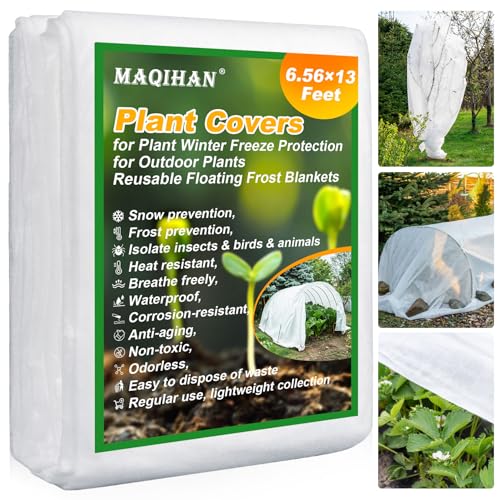
    JUNKOGO Plant Freeze Protection Cover, 7x25ft Frost Cloth Winter Garden Blanket, Floating Row Cover for Cold Weather and Shade, Perfect for Outdoor Vegetables, Trees, Greenhouse
    JUNKOGO Plant Freeze Protection Cover, 7x25ft Frost Cloth Winter Garden Blanket, Floating Row Cover for Cold Weather and Shade, Perfect for Outdoor Vegetables, Trees, Greenhouse

    Comprehensive Winter Protection for Your Garden: Our outdoor plant covers provide complete freeze protection for strawberries, vegetables, tomatoes, fruit trees, citrus plants, shrubs, and potted plants throughout the winter. This frost cloth plant freeze protection shields delicate plants from sudden temperature drops, frost, and strong winds, ensuring they survive harsh winter conditions. Ideal for those looking for frost blankets for outdoor plants and reliable plant freeze protection covers.

    VIEW LATEST PRICE

    As an affiliate, we earn on qualifying purchases.

    Cool Area 55% 6.5x10ft Sunblock Shade Cloth Cover Mesh UV Resistant Net for Garden Flower Plant Greenhouse, Black
    Cool Area 55% 6.5x10ft Sunblock Shade Cloth Cover Mesh UV Resistant Net for Garden Flower Plant Greenhouse, Black

    【2-3 Years Service Life】Refuse to use recycled materials, tear resistant, high temperature resistance, glossy, safe and odorless, lightweight and durable.

    VIEW LATEST PRICE

    As an affiliate, we earn on qualifying purchases.

    Types of Covers Available

    There are various covers available to shield your tomato plants from unfavorable weather conditions and pests. Some common types include:

    • Frost Cloth: Ideal for safeguarding plants from frost and cold temperatures.
    • Shade Cloth: Helps regulate sunlight exposure, preventing sunscald during hot days.
    • Mesh Netting: Effective in warding off pests like birds and insects that may harm your plants.

    Material Considerations

    When deciding on a cover material, consider the following factors:

    • Breathability: Opt for covers that allow air circulation to prevent heat buildup.
    • Durability: Choose materials that can withstand outdoor elements over an extended period.
    • UV Protection: Look for covers with UV protection to shield your plants from harmful rays.
    • Size and Fit: Ensure the cover fits securely over your tomato plants without causing damage.

    Selecting the right cover tailored to your specific needs will ensure your tomato plants thrive despite varying environmental challenges.

    Step-by-Step Guide to Covering Tomato Plants

    Covering your tomato plants is crucial for their protection against various environmental factors. Here’s a step-by-step guide to help you ensure your tomato plants thrive under different conditions.

    Recommended Products

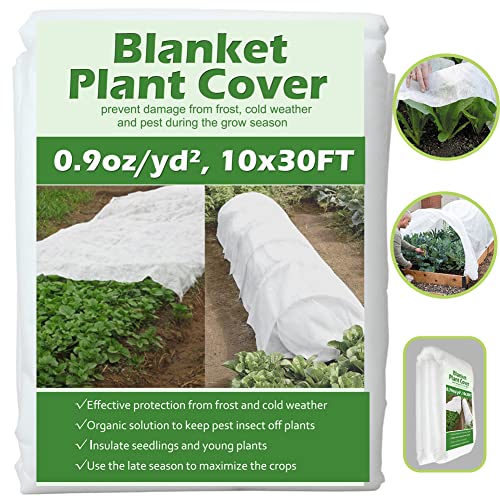
    Plant Covers Freeze Protection 10 ft x 30 ft Floating Row Cover 0.9oz/yd² Garden Fabric Plant Cover for Winter Frost/Sun Pest Protection (10FT X 30FT)
    Plant Covers Freeze Protection 10 ft x 30 ft Floating Row Cover 0.9oz/yd² Garden Fabric Plant Cover for Winter Frost/Sun Pest Protection (10FT X 30FT)

    ※Big Size to cover large area : The size of our plant cover is 10x30ft, the size can cover large areas. You can cut the plant covers freeze protection into different sizes for different use. You can cover it over the plant such as shrub tomato, pepper, pumpkin, and so on.

    VIEW LATEST PRICE

    As an affiliate, we earn on qualifying purchases.

    Garden Netting, Jevrench Durable Ultra Fine Garden Netting, Garden Plant Cover Row Cover Makes Plants, Vegetables, Fruits, and Flowers Grow Better (4ft x 25ft)
    Garden Netting, Jevrench Durable Ultra Fine Garden Netting, Garden Plant Cover Row Cover Makes Plants, Vegetables, Fruits, and Flowers Grow Better (4ft x 25ft)

    Defend Against Unwanted Visitors: Gardening is a rewarding and fulfilling endeavor, and you'll watch your plants grow from nothing to maturity before you finally harvest them. Once the plants begin to flower and bear fruit, these unwelcome visitors visit your garden and often leave a trail of destruction. Garden netting is the best choice for protecting your plants

    MUST READ:  When to Start Tomato Plants from Seeds: A Comprehensive Guide for Successful Growth
    VIEW LATEST PRICE

    As an affiliate, we earn on qualifying purchases.

    Agfabric Plant Covers Freeze Protection 6'x25' 0.55oz Frost Blankets for Plants Garden Plant Cover Freeze Cloths,Plants Winter Frost Freeze Protection,White
    Agfabric Plant Covers Freeze Protection 6'x25' 0.55oz Frost Blankets for Plants Garden Plant Cover Freeze Cloths,Plants Winter Frost Freeze Protection,White

    Light-weight FRCs (0.55 oz./sq. yard): Perfect for blocks the outside objects,have 85% light transmission, recommend of freeze protection and season extension, and can be left on many crops (e.g., beets, snap beans, salad greens) from seeding to harvest

    VIEW LATEST PRICE

    As an affiliate, we earn on qualifying purchases.

    Preparing Your Tomato Plants

    1. Assess Plant Growth: Before covering your tomato plants, evaluate their growth stage. Ensure they are well-established and have adequate space to grow further.
    2. Prune if Needed: Trim any excess foliage or branches that may hinder the cover’s proper fit or airflow around the plant.
    3. Water Adequately: Make sure your tomato plants are well-watered before covering them to maintain optimal hydration levels during the protection period.
    4. Inspect for Pests: Check for any existing pests on the plants and address them before covering to prevent infestations under the cover.
    1. Choose the Right Cover: Select a cover suitable for the current weather conditions—frost cloth for cold temperatures, shade cloth for excessive heat, or mesh netting for pest prevention.
    2. Secure Firmly but Gently: Place the cover over your tomato plants carefully, ensuring it is secure but not too tight to allow room for growth and airflow.
    3. Anchor Down: Use stakes or weights around the edges of the cover to keep it in place and prevent it from being blown away by strong winds.
    4. Monitor Regularly: Check your covered tomato plants frequently to ensure proper ventilation, moisture levels, and overall plant health while covered.

    By following these steps diligently, you can effectively protect your tomato plants with appropriate covers and support their growth throughout challenging environmental conditions.

    Maintaining Covered Tomato Plants

    When it comes to maintaining your covered tomato plants, there are a few key aspects to keep in mind to ensure their health and growth. Here’s a practical guide on how to effectively care for your tomato plants under covers.

    Recommended Products

    TempPro TP50 Digital Hygrometer Indoor Thermometer Room Thermometer and Humidity Gauge with Temperature Humidity Monitor(Previously ThermoPro)
    TempPro TP50 Digital Hygrometer Indoor Thermometer Room Thermometer and Humidity Gauge with Temperature Humidity Monitor(Previously ThermoPro)

    Wellness Indicator: This humidity meter with humidity level icon indicates air conditions - DRY/COMFORT/WET, allowing this humidity sensor to ensure you’re always aware of changes to your home/household with just a quick glance

    VIEW LATEST PRICE

    As an affiliate, we earn on qualifying purchases.

    JEDEW 2 Pack Hygrometer Thermometer Digital Humidity Meter Indoor/Outdoor Humidity Monitor Reptile Thermo-Hygrometer for Greenhouse Humidors Terrarium Jars, Fahrenheit (℉) /Celsius(℃) (2)
    JEDEW 2 Pack Hygrometer Thermometer Digital Humidity Meter Indoor/Outdoor Humidity Monitor Reptile Thermo-Hygrometer for Greenhouse Humidors Terrarium Jars, Fahrenheit (℉) /Celsius(℃) (2)

    1-【Widely Application】The digital LCD monitor can be used in home, office, garage, schools, hotels, laboratories, kindergartens, aquaculture, instrument workshop, warehouse, reptile tank terrarium, aquarium, hermit crab habitat, and other places where temperature/humidity measurement is required.

    VIEW LATEST PRICE

    As an affiliate, we earn on qualifying purchases.

    Antonki 2 Pack Soil Moisture Meter, Plant Water Meter for Gardening, Farming, Soil Tester Hygrometer Sensor for Indoor Outdoor House Plants, Flower, Lawn - No Battery Required
    Antonki 2 Pack Soil Moisture Meter, Plant Water Meter for Gardening, Farming, Soil Tester Hygrometer Sensor for Indoor Outdoor House Plants, Flower, Lawn - No Battery Required

    【Instant & Accurate Moisture Reading, No More Guesswork】 This plant moisture meter gives precise soil moisture readings in seconds! The responsive pointer instantly tells you if soil is dry, moist, or wet. It helps avoid overwatering & root rot, letting you water plants like a pro with confidence

    MUST READ:  Mastering Tomato Planting: Proven Techniques for Bountiful Homegrown Harvests
    VIEW LATEST PRICE

    As an affiliate, we earn on qualifying purchases.

    Monitoring Temperature and Humidity

    It’s essential to regularly monitor the temperature and humidity levels under the covers to create an optimal environment for your tomato plants. Use a thermometer and hygrometer to check these conditions, ensuring they are within the suitable range for plant growth. By keeping track of the temperature and humidity, you can make adjustments as needed to provide the best possible growing conditions for your tomatoes.

    Adjusting Covers for Ventilation

    Proper ventilation is crucial for the health of your covered tomato plants. Make sure to adjust the covers periodically to allow air circulation around the plants. This helps prevent heat buildup, reduces humidity levels, and minimizes the risk of diseases caused by stagnant air. By adjusting the covers for ventilation, you promote healthier growth and overall well-being of your tomato plants.

    By monitoring temperature and humidity levels while also adjusting covers for ventilation, you can create an ideal environment that supports the growth of your covered tomato plants. Following these practices will help you maintain healthy, thriving tomatoes throughout their growing season.

    Conclusion

    You’ve learned the importance of using covers to shield your tomato plants from harsh weather conditions. By choosing the right cover and maintaining it properly, you can create an ideal environment for your plants to thrive. Monitoring temperature and humidity levels under the cover is crucial for their well-being. Remember to adjust the covers for ventilation to promote healthy growth. With these simple steps, you can ensure that your covered tomato plants grow strong and fruitful throughout the season. Happy gardening!

    Frequently Asked Questions

    What are the challenges tomato plants face in extreme weather conditions?

    Tomato plants can be vulnerable to damage from extreme heat, cold, or intense sunlight, leading to wilting, sunburn, or reduced fruit production.

    How do frost cloth, shade cloth, and mesh netting help protect tomato plants?

    These covers act as barriers against harsh weather elements by providing insulation from frost, shading from intense sunlight, and protection from pests while allowing air circulation.

    What factors should be considered when selecting a cover for tomato plants?

    Consider factors such as breathability to prevent humidity buildup, durability for long-term use, UV protection to shield plants from harmful rays, and size to adequately cover the plant.

    Why is it important to monitor temperature and humidity levels under the covers?

    Monitoring helps ensure optimal growing conditions for tomatoes by preventing overheating or excessive moisture that can lead to diseases or stunted growth.

    How can adjusting covers for ventilation benefit covered tomato plants?

    Proper ventilation promotes air circulation around the plants, preventing heat buildup and reducing the risk of fungal diseases while supporting healthier growth.

    How can growers effectively care for covered tomato plants throughout the growing season?

    By regularly monitoring conditions under the covers, adjusting ventilation as needed, and ensuring proper maintenance of covers for continued protection and support.

    Share. Facebook Twitter Pinterest LinkedIn Tumblr WhatsApp Email
    Previous ArticleWhat Eats a Tomato Plant: Identifying Pests and Recovery Strategies
    Next Article When to Plant Tomatoes in North Florida: Best Seasons, Varieties, and Growing Tips
    lucy stone
    Lucy Stone

      Hi, I'm Lucy! As a passionate gardener and writer for Veggie Knowledge, I've dedicated my life to exploring the secrets of successful vegetable growing. My love for gardening blossomed in my grandmother's backyard, where I learned how much joy a single plant can bring. I aim to share that joy through practical tips and insightful advice, helping you cultivate your own thriving garden

      Related Posts

      Top Tips for Where to Buy San Marzano Tomato Plants and Growing Success

      August 26, 2024

      How to Keep Deer Away from Tomato Plants: Natural Strategies for a Bountiful Harvest

      August 26, 2024

      When Are Cherokee Purple Tomatoes Ripe? Expert Tips for Perfect Harvest

      August 26, 2024

      Growing Tomatoes in Clay Soil: Tips for Success in Challenging Conditions

      August 26, 2024
      Leave A Reply Cancel Reply

      Affiliate Disclosure

      As an Amazon Associate, I earn from qualifying purchases.

      Recommended Reading

      How Tall Do Big Red Tomatoes Grow? Everything You Need to Know

      Growing Vegetables

      How Tall Do Lettuce Plants Grow? Everything You Need to Know

      Growing Vegetables

      How to Grow Thai Basil Indoors: Simple Steps for Success

      Growing Vegetables

      How to Grow Seven Top Turnip Greens: Simple Steps for Success

      Growing Vegetables

      How to Grow and Harvest Peanuts: Step-by-Step for Beginners

      Growing Vegetables

      How to Grow Bean Plants: Complete Beginner’s Checklist

      Growing Vegetables

      How to Grow Asparagus From Roots (The Ultimate Beginner’s Guide)

      Growing Vegetables

      How to Grow Onions in Minnesota: 2026 Regional Success Guide

      Growing Vegetables
      How VeggieKnowledge.com Got Started

      We started this website to share our love of vegetables with the world, and to help people discover the many benefits of growing, cooking, and eating fresh and delicious vegetables.

      Got questions or comments? You can reach us at [email protected].

      Featured Articles

      10 Common Gardening Mistakes (and How to Avoid Them)

      How Much Sun Do Vegetables Really Need?

      Beginner’s Guide to Growing Vegetables: What to Know Before You Start

      Watering 101: How to Keep Your Plants Happy and Healthy

      The Best Vegetables for First-Time Gardeners

      Categories
      • Beets
      • Broccoli
      • Carrots
      • Cucumber
      • Green Beans
      • Tips and Advice
      Veggie Knowledge
      • Home
      • About
      • Contact
      • Privacy Policy
      • Affiliate Disclosure
      • Free eBook
      © 2026 Veggie Knowledge

      Type above and press Enter to search. Press Esc to cancel.