

Have you ever wondered what romaine lettuce looks like as it grows in your garden? It’s more than just a salad staple; it’s a vibrant plant that adds beauty to any outdoor space. You might picture those crisp, green leaves in the grocery store, but seeing them thrive in your garden is a whole different experience.
Imagine walking through your garden and spotting the tall, sturdy heads of romaine, their leaves fanning out in a lush display. This article will guide you through the unique characteristics of romaine lettuce plants, helping you recognize them at various growth stages. Whether you’re planning to grow your own or just curious about this leafy green, you’ll gain insights that make gardening even more enjoyable.
Key Takeaways
- Unique Characteristics: Romaine lettuce features long, sturdy leaves that form upright heads, with vibrant color variations ranging from bright green in seedlings to darker shades in maturity.
- Ideal Growing Conditions: Success in growing romaine relies on rich, well-draining soil with a pH of 6.0 to 7.0, along with full sunlight for 6-8 hours daily.
- Growth Stages: Romaine progresses from delicate seedlings to mature plants, which can reach up to 2 feet tall, showcasing robust heads perfect for harvest.
- Pest Awareness: Regularly check for pests like aphids and address issues promptly to maintain plant health.
- Disease Management: Prevent fungal diseases by ensuring good air circulation, properly watering, and promptly removing infected leaves.
Characteristics of Romaine Lettuce
Romaine lettuce boasts unique traits that make it a stunning addition to any garden. Understanding its characteristics at various growth stages enhances your gardening experience.
Leaf Structure
Romaine lettuce features long, sturdy leaves that form upright heads. Leaves are crisp, with a prominent rib running down the center. Younger leaves tend to be tender and light green, while mature leaves become darker and more robust. The outer leaves act as a protective layer for the inner, more delicate ones. These layers create a beautiful contrast in texture and shape, appealing to both the eye and palate.
Color Variations
Romaine lettuce displays a range of colors depending on its maturity. Young plants often showcase a bright, vibrant green. As the plant matures, leaves deepen to a rich, darker green, sometimes with a hint of purple or bronze at the tips. This color variation not only adds visual interest to your garden but also indicates the plant’s vitality and health. Regularly monitoring these colors helps ensure your plants stay robust and ready for harvest.
Growing Conditions for Romaine Lettuce
Romaine lettuce thrives in specific conditions that enhance its growth and flavor. Understanding these factors ensures you achieve healthy, vibrant plants.
Recommended Products

NUTRIENT-RICH, NATURAL, AND ORGANIC SOIL: Grow a bountiful garden in your home with the Back to the Roots All-Purpose Natural and Organic Peat-Free 3-in-1 Seed Starting Mix, packed with the nutrients needed for your plants, flowers, and vegetables to thrive

Disease Resistant Salad Romaine : Parris Island Cos gardening seeds produce tall upright romaine lettuce head growth with crunchy midribs and juicy texture. Mosaic tolerant leaf lettuce seeds for planting outdoors thrive in USDA zones 3–9 with strong field performance.

We grow a variety of edible seasonal seedlings (aka plugs/starts/transplants) that will flourish in your soil or hydroponic garden.
Ideal Soil Type
Romaine prefers loose, well-draining soil rich in organic matter. Aim for soil with a pH between 6.0 and 7.0. You can mix compost or well-rotted manure into your garden bed to improve nutrient content. Sandy loam works best, allowing roots to spread easily while retaining moisture. Check soil moisture regularly; it shouldn’t be too dry or soggy.
Sunlight Requirements
Romaine lettuce needs full sunlight for at least 6 to 8 hours daily. Choose a location that receives direct sunlight to promote leaf growth. If you live in a hotter climate, consider partial shade during the hottest parts of the day. A balance of sun and shade helps prevent bolting and ensures tender leaves.
Stages of Growth
Romaine lettuce goes through distinct stages as it grows, each showcasing a unique appearance that enchants gardeners.
Seedling Phase
In the seedling phase, romaine lettuce emerges with tiny, delicate leaves. At this stage, you’ll notice bright green, tender cotyledons that can measure about 1 to 2 inches in length. These initial leaves are crucial for photosynthesis and help establish the plant’s vigor. As the seedlings mature, the first true leaves develop, becoming more elongated and resembling the characteristic shape of romaine. Ensure proper spacing during this phase, allowing seedlings to receive adequate sunlight and air circulation.
Mature Plants
Mature romaine plants showcase tall, robust heads that stand upright. Leaves in this stage extend up to 2 feet long and exhibit a deep green color, often with impressive purple tinges. The outer leaves become thicker and sturdier, providing significant texture and flavor. A mature plant usually forms a tight, compact head, which resembles a large, upright rosette. Optimal harvesting occurs when the heads are firm but before they bolt, maintaining the flavorful, crisp leaves you desire in your salads.
Common Pests and Problems
Romaine lettuce can face several pests and problems that affect its growth and quality. Being aware of these issues helps you take proactive measures to maintain healthy plants.
Recommended Products

READY-TO-USE CONTACT SPRAY: No mixing required. Thoroughly spray insecticide on all plant parts, including the underside of leaves. Pests must be sprayed directly to achieve control
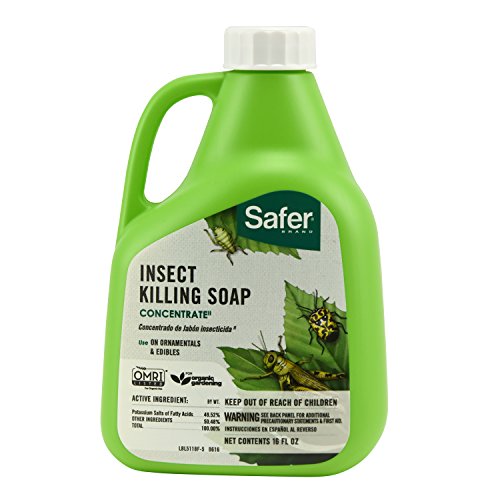
GENTLE ON MOST PLANTS - This aphid spray is ideal for use on flowers, herbs, vegetables, houseplants, lawn, tree, shrubs, and more

CROP, GARDEN & HOUSEPLANT INSECT CONTROL. Trifecta Crop Control all-natural, plant-based formula effectively combats destructive spider mites, aphids, whiteflies, fungus gnats, and other soft-bodied pests on indoor and outdoor plants. Our biodegradable, eco-friendly solution is safe for use on edible crops, without chemical residues. Our gentle yet potent plant spray suffocates and dehydrates pests without harming beneficial insects or the environment, making it ideal for organic gardening.
Aphid Infestation
Aphids are small, soft-bodied insects that can cluster on the undersides of romaine lettuce leaves. These pests suck the sap from your plants, leading to yellowing leaves and stunted growth. Look for curled, distorted leaves and sticky honeydew residue, which is often a sign of aphid presence.
To manage aphid infestations, consider the following steps:
- Inspect Regularly: Check your plants weekly for signs of aphids.
- Encourage Beneficial Insects: Ladybugs and lacewings feed on aphids. Plant flowers nearby to attract these helpful critters.
- Apply Insecticidal Soap: Spray a solution of insecticidal soap on affected areas. Make sure to cover both leaf surfaces for effective treatment.
Fungal Diseases
Fungal diseases can pose a significant threat to romaine lettuce. Common issues include downy mildew and powdery mildew. Downy mildew appears as yellow patches on leaves, while powdery mildew shows up as white powdery spots.
To prevent and manage fungal diseases, take these actions:
- Ensure Good Air Circulation: Proper spacing of plants helps air flow, reducing humidity and disease risk.
- Water Appropriately: Water at the base of the plants instead of overhead to prevent excess moisture on the leaves.
- Remove Infected Leaves: If you spot diseased leaves, remove and dispose of them promptly to limit spread.
By actively monitoring for pests and diseases, you can ensure your romaine lettuce thrives in the garden.
Conclusion
Romaine lettuce can truly be a stunning addition to your garden. Its vibrant colors and unique growth stages not only enhance the visual appeal but also reflect the plant’s health and vitality.
By understanding the ideal conditions for growing romaine and keeping an eye out for common pests and diseases, you can enjoy a thriving crop right in your backyard. Whether you’re looking to add fresh greens to your meals or simply appreciate the beauty of this leafy vegetable, romaine lettuce offers a rewarding gardening experience. So get out there and watch your garden flourish with this delightful plant!
Frequently Asked Questions
What is romaine lettuce known for?
Romaine lettuce is known for its tall, sturdy heads and crisp, vibrant leaves. It’s a popular salad ingredient but also adds beauty to gardens with its lush green and purple-tinted leaves as it matures.
How does romaine lettuce grow?
Romaine lettuce grows through distinct stages: starting from delicate seedlings with bright green cotyledons, maturing into elongated true leaves, and finally developing tall, robust heads with thick outer leaves that are ready for harvest.
What are the ideal conditions for growing romaine lettuce?
Romaine thrives in loose, well-draining soil rich in organic matter and prefers a pH level between 6.0 and 7.0. It requires full sunlight for 6 to 8 hours daily, with partial shade in hotter climates to prevent bolting.
How do I care for romaine lettuce?
To care for romaine, ensure proper spacing for airflow, monitor for pests like aphids, and manage watering to prevent fungal diseases. Regular inspections can help maintain healthy plants and improve overall yield.
What pests affect romaine lettuce?
Common pests include aphids, which cause yellowing leaves and stunted growth. Implement strategies such as encouraging beneficial insects, inspecting plants regularly, and using insecticidal soap to manage infestations effectively.
How can I prevent diseases in romaine lettuce?
Prevent diseases like downy and powdery mildew by ensuring good air circulation, avoiding overhead watering, and promptly removing any infected leaves. This proactive approach helps maintain plant health and productivity.
