

Have you ever wondered what lettuce looks like as it grows? If you’ve planted some in your garden or just thought about it, you’re not alone. Many people are curious about the transformation from tiny seeds to lush, green heads of lettuce.
Key Takeaways
- Stages of Growth: Lettuce undergoes several stages—from seed germination to maturity, each critical for healthy development.
- Seed Germination: Seeds sprout within 7 to 14 days when provided with adequate moisture and warmth; cotyledons are the first visible leaves.
- Vegetative Phase: The vegetative stage lasts 3 to 6 weeks, characterized by rapid leaf growth and a thickening stem, indicating robust root development.
- Heading Stage: Typically occurring 6 to 8 weeks post-planting, the heading stage involves leaves gathering to form a compact head, specific to the lettuce variety.
- Harvest Indicators: Maturity is determined by leaf arrangement, color changes, size, and texture, ensuring the best flavor and freshness at harvest time.
- Environmental Influences: Sunlight, temperature, soil quality, and consistent watering are crucial for optimal lettuce growth, impacting overall health and yield.
Overview of Lettuce Growth Stages
Lettuce growth occurs in several distinct stages, starting from seed germination to full maturity. Understanding these stages helps you visualize the development of lettuce in your garden.
Seed Germination
Lettuce seeds need moisture and warmth to germinate. After planting, seeds typically sprout within 7 to 14 days. You may notice tiny green shoots emerging from the soil. These initial leaves are called cotyledons and are essential for early growth.
Seedling Stage
Once cotyledons develop, lettuce enters the seedling stage. During this period, the plant grows additional true leaves. Expect this stage to last 2 to 4 weeks, and provide ample sunlight and water. The seedlings should remain healthy and vibrant, with leaves that appear bright green.
Vegetative Stage
The vegetative stage involves rapid growth. This stage can last 3 to 6 weeks. Lettuce plants develop multiple leaves and a stronger root system. You’ll notice the plants become bushier, with leaves forming tightly. Individual leaf shapes will start to vary depending on the lettuce variety.
Heading Stage
If you’re growing a variety that forms heads, lettuce enters the heading stage. This stage typically occurs 6 to 8 weeks after planting. Leaves begin to gather in the center, forming a compact head. Look for the leaves to close up, resulting in a round or elongated shape depending on the type of lettuce.
Maturity and Harvest
Lettuce is ready for harvest once it reaches maturity, which happens around 8 to 12 weeks after planting, depending on the variety. Full-sized heads indicate readiness. You can either cut the entire head at the base or harvest individual leaves, depending on your preference.
Monitoring these stages can enhance your lettuce-growing experience and yield. Adjust care based on each phase for optimal results.
Seed Germination
Seed germination is the first step in growing lettuce. This process needs moisture and warmth. Lettuce seeds typically sprout within 7 to 14 days after planting.
Recommended Products

EASIER SEED STARTING: Our Burpee SuperSeed tray with 36 flexible pop-out cells is designed to simplify indoor seed starting for all your favorite vegetables, flowers and herbs. Just add seed starting mix, seeds, water and light to get growing! Rows are labeled alphanumerically for seedling identification with included Plant-o-Gram diagram. Tray dimensions: 11.5" x 10-3/8" x 2-1/4"
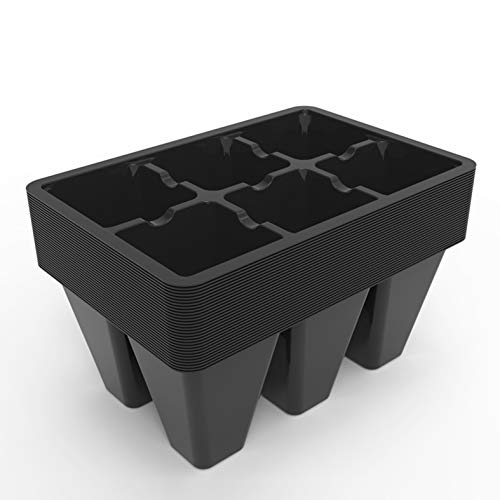
High Quality and Durable - Our Gardzen Seed Start Trays are made from premium plastic material, ensuring long-lasting use for all your seed starting needs. These trays are designed to withstand daily wear and tear, making them perfect for avid gardeners.

EASIER SEED STARTING: Our Burpee SuperSeed tray with 8 extra-large flexible pop-out cells is designed to simplify indoor seed starting. Just add seed starting mix, seeds, water and light to get growing! Perfectly sized for starting seeds in the windowsill: 11.5" x 5-3/16" x 2-1/4". Rows are labeled alphanumerically for seedling identification with included Plant-o-Gram diagram.
Appearance of Lettuce Seeds
Lettuce seeds are small, flat, and have a smooth surface. They vary in color from light brown to almost black. When you look closely, you’ll notice tiny ridges and a slightly oval shape. These features help distinguish them from other seed types.
Initial Seedling Development
As seeds germinate, you’ll see tiny green sprouts emerge from the soil. Initially, the sprout, known as a cotyledon, appears first. It’s small and delicate, with a simple leaf structure. In the following days, true leaves start to form. These leaves are broader and take on the familiar shape of lettuce. During this stage, it’s essential to ensure the seedlings receive ample sunlight and moisture for healthy growth.
Vegetative Growth Phase
During the vegetative growth phase, lettuce experiences rapid development. This stage focuses on growth in both leaves and roots, enhancing the plant’s overall health and productivity.
Recommended Products

We grow a variety of edible seasonal seedlings (aka plugs/starts/transplants) that will flourish in your soil or hydroponic garden.

We grow a variety of edible seasonal seedlings (aka plugs/starts/transplants) that will flourish in your soil or hydroponic garden.
We grow a variety of edible seasonal seedlings (aka plugs/starts/transplants) that will flourish in your soil or hydroponic garden.
Leaf Formation and Color
As the vegetative phase progresses, you’ll notice the rapid formation of leaves. The first leaves are small and tender. They gradually expand, becoming broader and more robust. The color shifts from a pale green to a vibrant bright green, indicating healthy growth. Different varieties of lettuce showcase unique leaf textures and shapes; for example, romaine lettuce features long, crisp leaves, while butterhead has softer, rounder leaves. Regularly observing the leaf color and size helps you assess the health of your plants.
Changes in Stem Thickness
In this growth phase, the stem thickens significantly, supporting the expanding leaf structure. As the stem develops, a sturdy base allows the plant to withstand wind and other environmental factors. A thicker stem also indicates a well-established root system, essential for nutrient absorption. If you notice the stems remaining thin, reevaluate your watering and nutrient schedule. Providing adequate nutrients and water promotes strong stem growth and overall plant vigor.
Early Head Formation
As lettuce plants transition into the heading stage, you’ll notice distinct changes in their appearance. This stage, which typically occurs 6 to 8 weeks after planting, presents an exciting visual transformation.
Types of Lettuce and Their Growth Traits
Different types of lettuce exhibit unique growth traits, impacting how they form heads. Here are some common types:
- Romaine: Characterized by long, upright leaves, romaine heads form tightly and develop a crisp texture.
- Butterhead: This type has tender, rounded leaves that create a loose, soft head. The leaves’ pale green color indicates optimal growth during this phase.
- Iceberg: Known for its dense, spherical head, iceberg lettuce develops a crisp coat and a firm center. Look for dark green outer leaves as an indicator of health.
- Leaf Lettuce: Leaf varieties, like oak leaf or red leaf, grow without forming a head but still display robust leaf development in this time.
Understanding the characteristics of each type can help identify when they are ready for harvest.
Visual Indicators of Maturity
Visual cues signal maturity during early head formation. Here are key indicators:
- Leaf Arrangement: Leaves start gathering in a rounded shape at the center, revealing the budding head.
- Color Changes: Healthy heads display vibrant shades, deepening in green or even turning reddish at edges, depending on the variety.
- Size: Expect a noticeable increase in the size of the head. Measure against known averages for your specific variety to gauge readiness.
- Leaf Texture: Pay attention to the crispness of the leaves. Mature heads feel firm and crunchy, indicating they’re ready for harvesting.
By monitoring these indicators, you can confidently determine the right time to harvest your lettuce for peak freshness and flavor.
Environmental Factors Influencing Growth
Several environmental factors significantly influence the growth of lettuce. Understanding these elements helps you optimize your gardening results.
Recommended Products

Smart Gardening Assistant:Ideal for beginners and gardening enthusiasts, this 6-in-1 soil tester provides key insights into your garden's condition. It measures sunlight intensity,soil moisture, fertility and pH levels, so you can adjust care based on accurate data. The built-in LCD also displays real-time air temperature, and humidity.With this soil ph tester, you can scientifically monitor and improve growing conditions, and help your plants thrive.

ORGANIC COCONUT COIR: Made from recycled coconut husks, coir is a light, sustainable growing medium that holds the perfect amount of moisture for starting seeds. 100% biodegradable soil alternative. Environmentally-friendly and a renewable alternative to peat moss. OMRI listed and certified organic.
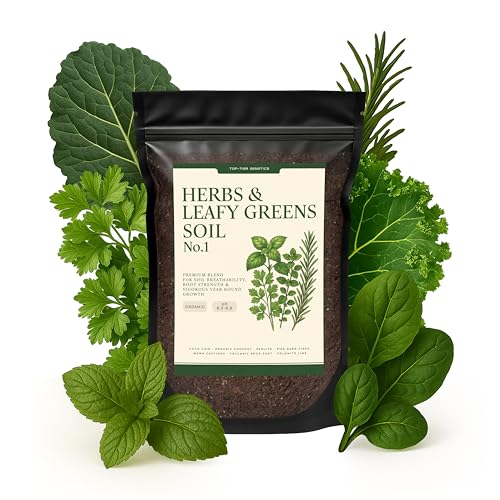
✔ VERSATILE BLEND: Premium potting mix specifically formulated for growing herbs and leafy greens indoors with optimal drainage and aeration
Role of Sunlight and Temperature
Sunlight plays a critical role in lettuce growth. Lettuce thrives in full sun, requiring at least 6 to 8 hours of direct sunlight each day. Insufficient light can lead to leggy, weak plants, reducing overall health. Ideal temperatures for lettuce range between 60°F and 70°F. If temperatures exceed 75°F, the plants may bolt, leading to premature flowering and bitter-tasting leaves. Consider planting varieties that are heat-resistant to avoid these issues in warmer climates.
Importance of Soil and Water
Soil quality directly affects lettuce growth. Well-draining, nutrient-rich soil promotes healthy root development. A pH level between 6.0 and 7.0 works best for lettuce. Use organic matter, like compost, to enrich your soil.
Watering requirements are also crucial. Lettuce needs consistent moisture; aim for 1 to 1.5 inches of water per week. Avoid allowing the soil to dry out or become waterlogged, as both conditions can harm growth. Use mulch to retain soil moisture and regulate temperature, creating a stable growing environment.
Conclusion
Watching lettuce grow can be a rewarding experience. From tiny seeds sprouting to lush green heads ready for harvest, each stage brings its own excitement. You’ve learned how to recognize the signs of healthy growth and the importance of sunlight, water, and soil quality in nurturing your plants.
Whether you’re a seasoned gardener or just starting out, keeping an eye on these changes can help you enjoy a bountiful harvest. So get your hands dirty and embrace the journey of growing lettuce. You might just discover a new passion along the way!
Frequently Asked Questions
How long does it take for lettuce seeds to germinate?
Lettuce seeds typically germinate within 7 to 14 days, given the right conditions of moisture and warmth. This crucial first stage sets the foundation for healthy lettuce growth.
What are the stages of lettuce growth?
Lettuce growth consists of four main stages: germination, seedling, vegetative, and heading. Each stage has specific care requirements and visual indicators for monitoring growth and readiness for harvest.
What factors affect lettuce growth?
Key factors influencing lettuce growth include sunlight, temperature, soil quality, and moisture levels. Lettuce thrives in full sun with ideal temperatures between 60°F and 70°F and well-draining, nutrient-rich soil.
How can I tell if my lettuce is ready to harvest?
To determine if lettuce is ready for harvest, look for changes in leaf arrangement, color, size, and texture during the heading stage. Each type of lettuce has unique indicators, so familiarize yourself with the variety you’re growing.
What types of lettuce are there?
Common types of lettuce include romaine, butterhead, iceberg, and leaf lettuce. Each variety has distinct growth traits and leaf textures, which can affect their appearance and harvesting time.
