

Have you ever wondered where that crisp lettuce in your salad actually comes from? It’s easy to take for granted, but understanding its origins can deepen your appreciation for this leafy green. Whether you’re a gardening enthusiast or just curious about your food, knowing what lettuce grows from can be surprisingly fascinating.
Key Takeaways
- Lettuce grows from seeds that germinate within a week under optimal conditions, requiring well-drained, nutrient-rich soil.
- Ideal growth conditions include at least 6-8 hours of sunlight and consistent watering of 1-2 inches per week to maintain moist but not soggy soil.
- Different types of lettuce, such as romaine, butterhead, and iceberg, offer unique flavors and textures, making it essential to choose the right variety for your garden and meals.
- The growth process of lettuce includes stages of germination, vegetative growth, and maturity, typically taking 30-70 days depending on the variety.
- Monitoring for pests and diseases, such as aphids and powdery mildew, is crucial for maintaining healthy lettuce plants in your garden.
- Enhancing soil fertility with organic matter and ensuring proper light and water conditions significantly influence the successful growth of lettuce.
Overview Of Lettuce Growth
Lettuce grows from seeds, which are small, flat, and can be easily sown in soil. These seeds germinate within a week under ideal conditions, producing tiny seedlings that emerge from the soil.
Conditions For Growth
- Soil: Use well-drained, nutrient-rich soil. A pH between 6.0 and 7.0 supports optimal growth.
- Light: Lettuce thrives in full sun or partial shade. Aim for at least 6-8 hours of sunlight daily.
- Water: Regular watering keeps the soil moist but not soggy. Aim for 1-2 inches of water per week.
Planting Lettuce
- Choose the Right Type: Options include romaine, butterhead, and loose-leaf. Each type has unique flavor profiles and textures.
- Sow Seeds: Plant seeds about 1/4 inch deep, spaced 12-18 inches apart. Consider planting in rows.
- Thin Seedlings: Once seedlings reach a couple of inches high, thin them to 6-12 inches apart to allow room for growth.
Growth Stages
- Germination: Seeds sprout into seedlings.
- Vegetative Phase: Plants grow leaves. This phase lasts several weeks.
- Maturity: Harvest when leaves are full-sized, typically 30-70 days after planting, depending on the variety.
- Pests: Watch for aphids and slugs. Use organic methods to deter them, like insecticidal soap or hand-picking.
- Disease: Powdery mildew can occur in humid conditions. Ensure proper spacing for air circulation to minimize risks.
Understanding these elements ensures a successful lettuce garden, yielding fresh and crunchy leaves for your salads.
Types Of Lettuce
Lettuce comes in various types, each offering unique textures and flavors. Understanding these different varieties can enhance your gardening experience and your salads.
Recommended Products

Award-Winning Butterhead Variety: Bibb lettuce produce tender, crunchy lettuce heads with rich green leaves. Salad lettuce heirloom seeds are slow to bolt and heat tolerant in USDA zones 2–10. These vegetables seeds perform well in spring and fall.

🥬 Classic French Butterhead Lettuce: Marvel of Four Seasons is a traditional French butterhead variety known for forming beautiful, firm round heads with tender buttery leaves and attractive bronze-tinged color. The compact plants grow quickly and produce crisp, mild greens that are perfect for fresh salads and garden meals. Gardeners appreciate this variety for its dependable head formation and attractive appearance in garden beds.
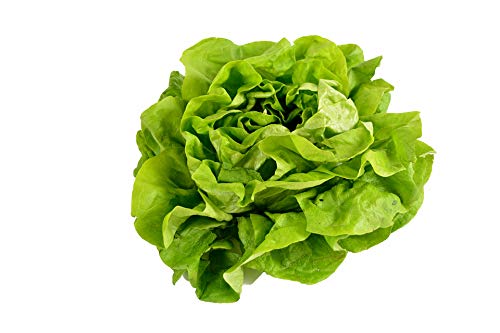
This lettuce is well known for its sweet flavor. Best if harvested in the morning.
Leafy Varieties
Leafy varieties include loose-leaf and butterhead types.
- Loose-Leaf Lettuce: This type grows in a rosette shape with tender leaves. Varieties like Red Romaine and Green Leaf are popular for their vibrant colors and delicate taste.
- Butterhead Lettuce: Known for its soft, buttery texture, Butterhead varieties like Boston and Bibb are great for salads and sandwiches. They’re easy to grow and maintain.
Head Varieties
Head varieties form tightly-packed clusters of leaves.
- Iceberg Lettuce: This is the most common head lettuce with crisp, thick leaves. It adds crunch to salads and sandwiches, making it a favorite in many kitchens.
- Romaine Lettuce: Tall and sturdy, Romaine has a slightly bitter flavor. It holds up well in dressing, making it an excellent choice for Caesar salads.
Recognizing these types allows you to select the best lettuce for your meals and gardening needs.
The Growth Process Of Lettuce
Lettuce undergoes a fascinating growth process from seed to maturity. Understanding this journey helps you cultivate healthy plants for your home garden.
Recommended Products

✓ Consistent & Uniform Heating: BN-LINK seedling heat mat for seed starting maintains temperatures around 70–85℉, creating ideal conditions for seed starter and cutting propagation, speeding up seed germination and accelerating seedlings growth. The advanced heating film with double insulation layers ensures even heat and prevents scorching roots.

Reliable Results: The VIVOSUN professional heat mat maintains optimal temperatures around 68-86℉ (20-30℃), perfect for Seedling start and cutting propagation; Made from durable PVC material, it's designed to last

IDEAL GERMINATION TEMPERATURE: The BN-LINK seedling heat mats for seed starting helps maintain temperatures around 70°F to 85°F, the optimal range for seed germination, cutting propagation, and healthy seedling growth. Achieve faster germination and higher growth rates with seed heating mat.
Seed Germination
Seeds germinate best in moist, warm conditions. Plant lettuce seeds in well-drained soil, covering them lightly with soil. Keep the soil consistently damp but not waterlogged. Germination typically occurs within 7 to 14 days. You can speed up germination by using a seedling heat mat to maintain an optimal temperature of around 65-75°F (18-24°C).
Seedling Development
After germination, seedlings emerge with their first set of true leaves. This stage requires ample sunlight—ideally, 12 to 16 hours of light daily. Thin out seedlings, leaving about 6 to 12 inches (15 to 30 cm) between each plant to ensure they receive adequate nutrients and space to grow. Regular watering and a balanced, organic fertilizer support strong, healthy plants. Monitor for pests like aphids or slugs that may harm seedlings.
Maturation Stages
As lettuce plants mature, they progress through several growth stages. Leaf formation starts in the first few weeks, leading to a phase where the plants begin to grow larger, more prominent leaves. Depending on the variety, lettuce typically matures within 30 to 80 days. Keep monitoring moisture levels; lettuce prefers consistent watering. Harvesting occurs at the right time—when leaves are crisp and flavorful. You can cut the leaves (cut-and-come-again method) or harvest the entire head, ensuring freshness for your salads.
Environmental Factors Influencing Growth
Understanding the environmental factors that influence lettuce growth helps you create optimal conditions for your garden. Key elements include soil requirements, light conditions, and watering needs.
Recommended Products

6000K White Light - equipped with 10 Red + 74 White LEDs, this growing Lamp is similar to the full-spectrum sunlight at noon,that is professionally designed for indoor garden plants.Moreover, its color rendering index is as high as 95, the light is soft and flicker-free, which is very suitable for reading lamp

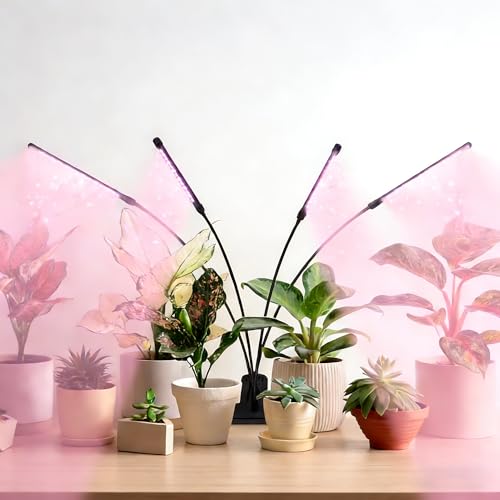
Full Spectrum LED Technology: Equipped with 80 red and blue LED beads across 4 heads, delivering full-spectrum illumination that simulates natural midday sunlight, covering the entire 460-660nm visible spectrum essential for plant photosynthesis. Enhanced 660nm red light promotes flowering, fruiting, and extended bloom periods, while blue light boosts chlorophyll synthesis to support robust vegetative growth
Soil Requirements
Lettuce thrives in well-drained, nutrient-rich soil. Aim for a pH range of 6.0 to 7.0, which is slightly acidic to neutral. To enhance soil fertility, mix in organic matter, such as compost or well-rotted manure. This improves drainage and provides essential nutrients for healthy growth. Perform regular soil tests to monitor nutrient levels and adjust accordingly.
Light Conditions
Lettuce prefers full sun, requiring at least six hours of direct sunlight daily. However, during hot summer months, some shade protects the leaves from wilting. For indoor gardening, use grow lights that emit the full light spectrum. Position the lights 12 to 18 inches above the plants, ensuring they receive adequate light while preventing leaf burn.
Watering Needs
Consistent watering is crucial for lettuce. Aim for an inch of water per week, either from rainfall or irrigation. Water the soil at the base of the plants to avoid wetting the leaves, which can promote disease. During hotter periods, increase watering frequency. Monitor soil moisture by checking the top inch; if it’s dry, it’s time to water.
Conclusion
Understanding what lettuce grows from opens up a whole new appreciation for this versatile vegetable. Whether you’re a seasoned gardener or just someone who enjoys a fresh salad, knowing how lettuce develops can enhance your experience.
By creating the right conditions in your garden and selecting the types of lettuce that suit your taste, you can enjoy a bountiful harvest. Remember to keep an eye on those environmental factors and nurture your plants with care.
With a little effort, you’ll be rewarded with crisp and delicious lettuce that adds a refreshing crunch to your meals. Happy gardening!
Frequently Asked Questions
What are the origins of lettuce?
Lettuce originated in ancient Egypt, where it was cultivated for both its seeds and leaves. Over time, it spread to other cultures and regions, becoming a common salad ingredient worldwide. Understanding its history helps us appreciate this staple in our diets.
What types of lettuce are there?
There are several types of lettuce, mainly categorized into leafy varieties like loose-leaf and butterhead, and head varieties like iceberg and romaine. Each type has unique textures and flavors, allowing for diverse culinary uses in salads and dishes.
How do you grow lettuce?
To grow lettuce, start by planting seeds in well-drained, nutrient-rich soil. Ensure they receive at least six hours of sunlight daily, and keep the soil consistently moist. Germination typically occurs within 7 to 14 days, with mature plants ready for harvest in 30 to 80 days.
What are the ideal growing conditions for lettuce?
Lettuce thrives in well-drained, nutrient-rich soil with a pH of 6.0 to 7.0. It prefers full sun for at least six hours daily, although some shade during hot months can help. Regular watering, aiming for about an inch a week, is also crucial for healthy growth.
How do you prevent pests and diseases in lettuce?
To prevent pests and diseases in lettuce, maintain good garden hygiene, rotate crops, and monitor plants regularly for any signs of trouble. Employ organic pest control methods and keep the soil consistently moist without waterlogging to promote strong, healthy plants.
