

Have you ever wondered how to grow lush, crisp lettuce in a hydroponic setup? Lighting plays a crucial role in this process, and getting it right can make all the difference. If you’ve struggled with leggy plants or poor yields, you’re not alone. Many new growers face this challenge.
In this article, you’ll discover just how much light your hydroponic lettuce really needs for optimal growth. You’ll learn about the best light sources, ideal durations, and tips to create the perfect environment. By the end, you’ll be equipped with the knowledge to ensure your lettuce thrives, giving you a bountiful harvest to enjoy.
Key Takeaways
- Ideal Light Durations: Hydroponic lettuce requires 12-18 hours of light daily, varying by growth stage to promote healthy growth and optimal yields.
- Light Sources: Utilize suitable grow lights such as LED, fluorescent, or HID to maximize growth efficiency and energy use.
- Light Intensity Measurement: Regularly measure Photosynthetically Active Radiation (PAR) levels between 200 to 400 µmol/m²/s to ensure proper light exposure.
- Positioning is Key: Maintain appropriate distances between grow lights and plants to prevent light burn and ensure even coverage.
- Water and Space Efficiency: Hydroponic systems use 90% less water and allow for more significant plant density, enhancing yield potential in limited spaces.
- Consistent Light Schedules: Mimic natural sunlight with automated timers to create consistent light and dark cycles that support robust plant health.
Understanding Hydroponic Lettuce
Hydroponic lettuce thrives in a controlled environment, making optimal lighting crucial. The right light conditions lead to healthy growth and enhanced yields.
What Is Hydroponic Lettuce?
Hydroponic lettuce refers to lettuce grown in a soil-less system, where nutrients dissolve in water. This method encourages faster growth and a cleaner product. Common varieties include Butterhead, Romaine, and Iceberg. Hydroponic systems use various techniques, such as nutrient film, deep water culture, and aeroponics. Each method allows for direct access to essential nutrients while facilitating better oxygenation.
Benefits of Hydroponic Lettuce
Hydroponic lettuce offers several advantages over traditional farming methods:
- Faster Growth: Lettuce can reach maturity in 30-45 days compared to 60-90 days in soil.
- Space Efficiency: You can grow more plants in smaller areas since hydroponic systems maximize vertical space.
- Water Conservation: Hydroponic systems use up to 90% less water than conventional farming.
- Pest Control: Growing indoors minimizes exposure to pests, reducing the need for pesticides.
- Consistent Quality: Controlled environments lead to uniform size, color, and flavor in the yield.
These benefits make hydroponic lettuce an appealing option for both home and commercial growers.
Light Requirements for Hydroponic Lettuce
Hydroponic lettuce thrives under specific light conditions to achieve optimal growth. Understanding these light requirements is essential for successful cultivation.
Recommended Products

【Perfect for All Growth Stages】 Excellent full spectrum LED grow light, including white, blue, red. The 660nm red and white light speeds up flowering time and boosts yields. The 430nm blue light can accelerate the growth of plant rhizomes and leaves. Allows you to harvest easy-to-grow vegetables, flowers, and herbs in harsh environments


🌻Efficient LED Combination: This LED lamp has grow lights made up of 80 efficient growing LEDs ( 32 red lights, 12 blue lights,20 yellow lights and 16 white lights). It meets the conditions of plant growth without sunlight. 1--Full Spectrum(380nm-800nm): Suitable for all plants to root and sprout. 2--Red(660nm)+BLUE(460nm) Spectrum: for blooming and fruits. 3--Red+Blue+Full Spectrum: A mix of Red+Blue+Warm White is best to fuel the growth of your plants.
Different Growth Stages and Light Needs
Lettuce has distinct growth stages, each requiring unique light durations and intensities:
- Seedling Stage: Provide 12-16 hours of light per day with low to moderate intensity. This ensures healthy germination and initial growth.
- Vegetative Stage: Increase light to 16-18 hours daily with moderate to high intensity. This stage supports robust leaf development.
- Maturing Stage: Maintain light for 12-16 hours daily while ensuring high intensity. This helps the lettuce reach full size before harvest.
Adjusting light durations and intensity during each stage promotes optimal health and yield.
Types of Grow Lights Suitable for Hydroponic Lettuce
Selecting the right grow light can significantly impact your hydroponic lettuce. Here are suitable options:
- LED Grow Lights: Efficient and customizable. Available in various spectrums, ideal for all growth stages. Energy-efficient and long-lasting.
- Fluorescent Grow Lights: Cost-effective and suitable for seedlings and vegetative stages. Ensure they provide full-spectrum light for best results.
- High-Intensity Discharge (HID) Lights: Powerful light source effective for commercial setups. Metal halide (MH) offers blue light for growth, while high-pressure sodium (HPS) provides red spectrum for flowering.
Choosing the right light source enhances growth and maximizes yield in your hydroponic system.
Measuring Light Intensity
Measuring light intensity ensures optimal growth conditions for hydroponic lettuce. The right amount of light promotes healthy photosynthesis and maximizes yield.
Recommended Products
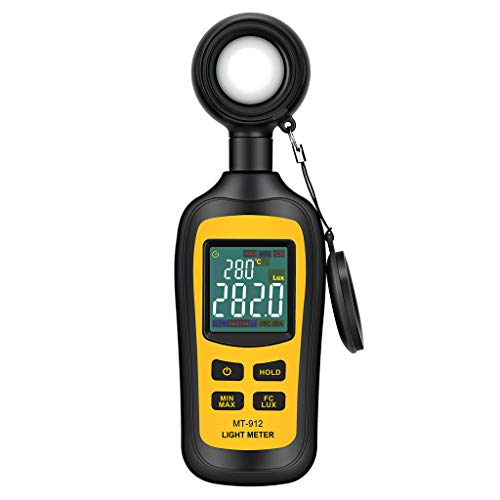
Measures luminosity from 0 to 200,000 Lux and ambient temperature

Measure PAR and UVA Light Accurately. Measure PAR (400–750nm) and UVA (320–400nm) irradiance intensity to understand how your grow lights actually perform. The PAR sensor IC is manufactured by a well-known Japanese semiconductor company, delivering reliable and consistent readings for grow lighting analysis.

【8.6'' Light Strip and 52 Full Spectrum LEDs】The Grow Light has 52 LEDs and each light bar has 26pcs 3500K LEDs. High quality LEDs help plants grow with high light efficiency, high PPFD, low heat and longer lifespan. Indoor plant light emits all wavelengths from 380nm to 800nm, simulating natural sunlight to more effectively promote the growth of indoor plants.
PAR and Its Importance
Photosynthetically Active Radiation (PAR) refers to the light spectrum that plants use for photosynthesis, specifically wavelengths from 400 to 700 nanometers. Understanding PAR’s significance helps you choose the appropriate grow lights. For hydroponic lettuce, a PAR value between 200 to 400 µmol/m²/s supports vigorous growth during the vegetative stage. Monitoring PAR levels allows you to fine-tune light exposure, enhancing overall plant health.
Tools to Measure Light Intensity
Several tools measure light intensity effectively:
- Light Meters: Use handheld light meters to get immediate PAR readings. These devices provide real-time measurements, allowing for quick adjustments.
- Spectroradiometers: Apply spectroradiometers for detailed light spectrum analysis. These instruments show you how much light your plants receive across various wavelengths.
- Smartphone Apps: Utilize smartphone light meter apps as budget-friendly options. While not as accurate as dedicated devices, many apps can give a general idea of light levels.
Regularly measuring light intensity keeps you informed and helps maintain the ideal conditions for growing hydroponic lettuce.
Tips for Providing Optimal Light
Providing optimal light for hydroponic lettuce ensures healthy growth and maximizes yields. Focus on the positioning of grow lights and the duration of light exposure for best results.
Recommended Products

【Newest Grow Light】The appearance of the lamp head adopts patentable mold technology and incorporates exclusive design concepts. The back plate has a unique pattern and premium texture which is not easily scratched. The holes in the back are specially reserved for heat dissipation space, saying goodbye to the heating problem during the use of the lamp.

✓ NO LOOSE PARTS: Unlike classic timers with removable pins, BN-LINK 3 prong plug in timers for electrical outlets features an easy to use, built-in pin dial that allows you to set your outlet timer indoor by pressing the toggle pins down for ON, or keeping them up for OFF.

【Full Spectrum】Same as natural sunlight. It has been proven to promote photosynthesis and indoor plant growth, so you don't have to worry that houseplants can't grow healthily without sunlight.
Positioning Grow Lights
Position grow lights at the correct height to avoid light burn or insufficient coverage. Keep LED lights between 12 to 24 inches above the plants. For fluorescent lights, maintain a distance of 6 to 12 inches. Adjust the height based on the growth stage, lowering the lights as the plants grow taller. Ensure even light coverage by using multiple light sources when necessary. Aim for 400 to 600 µmol/m²/s of Photosynthetically Active Radiation (PAR) at the plant canopy for optimal growth.
Light Duration and Schedules
Establish a light schedule that mimics natural sunlight for best growth. For lettuce, a daily cycle of 14 to 16 hours of light promotes robust growth. Incorporate a rest period of 8 to 10 hours of darkness to simulate night conditions. Adjust light schedules during different growth stages; younger plants thrive on longer light durations, while mature plants can benefit from a slight reduction. Monitor your plants for signs of light stress, such as leaf curling or discoloration, and modify light duration accordingly. Use timers to automate schedules for consistency.
Conclusion
Getting the light right is key to growing healthy hydroponic lettuce. By understanding the specific needs of your plants and adjusting light intensity and duration accordingly you can create an ideal environment for growth.
Don’t forget to keep an eye on your lettuce for any signs of stress and tweak your light setup as needed. With a little attention and care your hydroponic garden can flourish with vibrant and tasty greens. Happy growing!
Frequently Asked Questions
What is the ideal light duration for hydroponic lettuce?
Hydroponic lettuce thrives best with a daily light cycle of 14 to 16 hours. This mimics natural sunlight, promoting robust growth and yield. Adjust the light duration based on the specific growth stages of the plants for optimal results.
How can I measure light intensity for my lettuce?
To measure light intensity in hydroponic systems, use tools like light meters or spectroradiometers. These devices help you assess Photosynthetically Active Radiation (PAR), ensuring your lettuce receives adequate light for vigorous growth.
What are signs of light stress in hydroponic lettuce?
Signs of light stress include leaf curling, discoloration, and stunted growth. If you notice these symptoms, consider adjusting your light intensity or duration to avoid damaging your plants.
How high should grow lights be positioned for lettuce?
Grow lights should be positioned at an appropriate height, typically between 12 to 24 inches above the plants, depending on the light type. This helps prevent light burn while ensuring even coverage for healthy growth.
How can I ensure consistent lighting for my hydroponic lettuce?
Using timers for your grow lights is essential for maintaining a consistent lighting schedule. This helps mimic natural conditions and ensures your lettuce receives the right amount of light each day.
Why is even light coverage important in hydroponics?
Even light coverage prevents uneven growth and ensures all parts of the lettuce plant receive adequate light. This leads to healthier plants and higher yields, making it crucial for successful hydroponic cultivation.
