

Have you ever thought about growing your own lettuce? Imagine stepping into your backyard or balcony and picking fresh greens for your salad. It’s not just a dream; growing lettuce can be a rewarding experience that adds flavor to your meals and a touch of nature to your space.
Key Takeaways
- Stages of Growth: Understanding the stages of lettuce growth, from seed germination to harvesting, is vital for successful cultivation.
- Environmental Needs: Lettuce thrives in well-draining, nutrient-rich soil with consistent moisture and adequate sunlight—ideally 6 hours a day.
- Common Challenges: Be aware of pests and weather conditions that can impact growth; implement strategies for pest management and temperature control.
- Health Benefits: Growing lettuce at home offers nutritional advantages, reduces pesticide exposure, and encourages healthier eating habits.
- Harvesting Techniques: Timing is crucial; harvest loose-leaf varieties by cutting outer leaves and wait for head lettuces to feel firm for optimal taste and texture.
What Does Growing Lettuce Look Like
Growing lettuce involves several distinct stages. Each stage provides visual cues that signal progress and readiness for harvest.
Seed Germination
Lettuce seeds germinate within 7 to 14 days. You’ll notice tiny sprouts emerging from the soil, typically around 1 to 2 inches tall. This early growth phase requires moist conditions and temperatures between 60°F and 70°F.
Seedling Development
After germination, seedlings develop sturdier leaves. These first true leaves appear within 2 to 3 weeks. Expect to see bright green, delicate leaves unfurling. Space seedlings 4 to 6 inches apart, allowing air circulation to prevent diseases.
Growth Stages
Lettuce undergoes several growth stages. These include:
- Young Leaves: Notice small, tender leaves forming close to the base.
- Mature Plant: Leaves expand and reach up to 12 inches in diameter.
- Head Formation: If growing romaine or butterhead varieties, the plant begins to form a compact head.
Flowering
As plants mature, they may bolt (flower) when exposed to high temperatures or long days. You’ll see tall stems with small flowers. This stage indicates the end of the lettuce’s edible life cycle.
Harvesting
Harvest lettuce once it reaches a desired size. For loose-leaf varieties, cut outer leaves about 1 inch above the base. For head lettuces, wait until heads feel firm. Ideal harvest times vary by variety but generally occur 30 to 70 days after planting.
Visual Indicators
Keep an eye out for color changes. Young leaves tend to be light green, while mature leaves deepen in color. Any sign of wilting suggests a need for more water or shade.
Following these stages, you’ll see the entire journey of growing lettuce unfold. Make adjustments to water, light, and spacing as needed to achieve optimal growth.
Stages of Lettuce Growth
Understanding the stages of lettuce growth is essential for successful cultivation. Here’s a breakdown of these phases.
Recommended Products

【Upgraded Full Spectrum】Eqqiuped with 5 Red+37 Sunlight White LEDs in each bar, which is similar to the sunlight at noon to meet the needs of various plant growth processes. 6000K LED grow light with high efficiency and high PPFD, providing flicker-free and soft light.

【8.6'' Light Strip and 52 Full Spectrum LEDs】The Grow Light has 52 LEDs and each light bar has 26pcs 3500K LEDs. High quality LEDs help plants grow with high light efficiency, high PPFD, low heat and longer lifespan. Indoor plant light emits all wavelengths from 380nm to 800nm, simulating natural sunlight to more effectively promote the growth of indoor plants.

Full Spectrum Grow Light: Our plant light is equipped with 108 high-quality LED beads. This advanced lighting solution incorporates 60 cold white LEDs, 32 warm white LEDs, and 16 red LEDs, creating an optimal environment with precise wavelengths for seedlings, flowers, and vegetables. Your plants will thrive under its nurturing glow, ensuring health and vitality at every growth stage.
Germination
Germination marks the beginning of lettuce growth. It occurs within 7 to 14 days after sowing seeds. For optimal results, keep soil moist and at a temperature between 60°F and 70°F. Seeds absorb water and swell, leading to the emergence of tiny shoots. After germination, you’ll see the first sign of life—a small, delicate stem with its first leaves.
Seedling Development
Once seedlings emerge, monitor their growth closely. This stage features the development of sturdier, true leaves that replace the initial seed leaves. Seedlings typically appear 2 to 3 weeks after germination. Allow adequate spacing, about 3 to 4 inches apart, to encourage airflow and prevent diseases. Provide consistent moisture and ensure they receive around 12 to 16 hours of light daily, whether through natural sunlight or grow lights.
Mature Plant
As your lettuce matures, it transforms into a robust plant. This stage can take anywhere from 30 to 70 days from planting, depending on the lettuce variety. Look for vibrant green leaves, which indicate good health. Harvest timing varies—head lettuce like romaine can be picked when heads feel firm, while leaf varieties are best harvested by cutting outer leaves. Continue watering regularly, especially during dry spells, to maintain optimal growth. Remember to check for signs of bolting, which indicates the plant’s shift towards flowering, marking the end of its edible lifespan.
Environmental Needs
Growing lettuce requires specific environmental factors to thrive. These consist of soil, sunlight, and water, all of which play crucial roles in the cultivation process.
Recommended Products

Quick, at home results for Soil pH, Nitrogen, Phosphorous and Potash Innovative and inexpensive soil test kit features an easy-to-use capsule system and patented color comparators

Accurate Soil pH Testing: Dewildetradingco Soil pH Test Strips offer measurements of soil pH levels (pH 3.5-9). As an essential tool for every gardener and grower, these test strips help determine the optimal pH for various plants, such as outdoor plants, indoor plants, gardens, grass lawns, fruit trees, flowers, vegetables, and forest shrubs.

Kindly NOTE: This soil tester can not be applied to test pH value of any other liquid. If the soil is too dry the indicator will not move, and water it before testing.
Soil Requirements
Lettuce prefers well-draining soil rich in organic matter. Aim for a soil pH between 6.0 and 6.8 for optimal nutrient absorption. Compost or aged manure can enhance soil fertility. You can test your soil’s pH with a simple kit from a garden center.
When planting, ensure the soil is loose and crumbly. This allows roots to spread easily. Mix in perlite or coarse sand if your soil is heavy or compacted.
Sunlight and Watering
Lettuce thrives in full sun to partial shade. Aim for at least 6 hours of sunlight daily. In hotter climates, consider providing afternoon shade to prevent bolting.
Water consistently to keep the soil evenly moist but not soggy. Lettuce needs about 1 to 1.5 inches of water each week. Use mulch around the plants to retain moisture and suppress weeds. Adjust your watering schedule based on rainfall and temperature changes.
By meeting these environmental needs, you create a flourishing habitat for your lettuce.
Common Challenges
Growing lettuce comes with its set of challenges, including pest management and adapting to weather conditions. Addressing these issues helps ensure a healthy, thriving crop.
Recommended Products
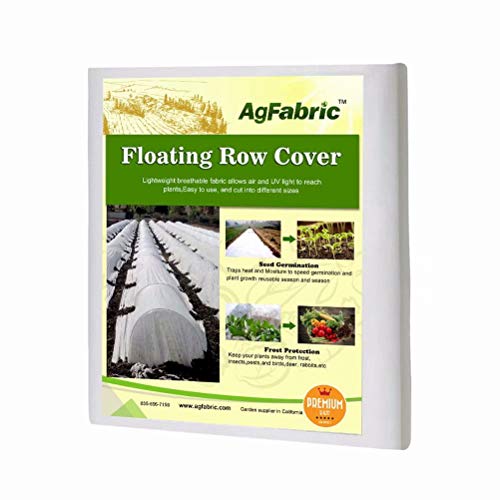
Light-weight FRCs(0.55oz./sq.yard):Perfect for barrier,have 85% light transmission,recommendof freeze protection and season extension,and can be left on many crops(e.g.,beets, snaps beans, salad greens)from seeding to harvest
The plant row cover is made of 0.55 oz/sq non-woven polypropylene fabric which is lightweight breathable and durable. It allows air and moisture to reach your vegetables and flowers.

🌱 1. Protect Seedlings from Spring Frost & Cold Nights This 6.5 × 16.4 ft floating row cover helps shield young plants, seedlings, and vegetables from late spring frost and sudden overnight temperature drops.
Pests and Diseases
You might encounter pests like aphids, cutworms, and slugs. Aphids suck sap from leaves, weakening the plants. Cutworms can sever seedlings at the base, while slugs create holes in leaves. Common diseases include downy mildew and lettuce mosaic virus, which can stunt growth or discolor leaves.
To manage pests, consider these methods:
- Monitor regularly: Check your plants for insect presence to catch problems early.
- Use barriers: Floating row covers can prevent larger pests from accessing your lettuce.
- Implement beneficial insects: Encourage ladybugs and lacewings, which feast on aphids.
For diseases, maintaining proper spacing improves air circulation. Water your lettuce early in the day to prevent excess moisture on leaves, which fosters disease growth.
Weather Conditions
Weather can significantly impact your lettuce growth. Lettuce prefers cool temperatures between 60°F and 70°F. Hot weather can lead to bolting, causing plants to flower and turn bitter. Cold temperatures may stunt growth or damage delicate leaves.
To navigate weather challenges, follow these tips:
- Time your planting: Consider your local climate and plant in early spring or late summer for optimal temperatures.
- Provide shade: Use shade cloth during hotter months to reduce stress on your lettuce.
- Protect from frost: Cover your plants with cloth or mulch during unexpected cold snaps to shield them from frost damage.
These strategies help you cultivate a successful lettuce garden, even when facing some common challenges.
Health Benefits of Growing Lettuce
Growing lettuce offers numerous health benefits, making it a rewarding pursuit. Here are some advantages:
Nutritional Value
Lettuce is low in calories but high in essential nutrients. One cup of raw romaine lettuce contains about 15 calories, providing vitamins A, K, and C, along with dietary fiber.
Freshness
Harvesting your lettuce means consuming it at peak freshness. Freshly picked lettuce retains more nutrients, enhancing its health benefits compared to store-bought varieties.
Pesticide Control
When you grow your own lettuce, you control what substances come in contact with your plants. This organic approach minimizes exposure to harmful pesticides.
Increased Consumption
Having a readily available supply of lettuce encourages healthier eating habits. Integrating more greens into your diet can improve overall nutrition and support weight management.
Physical Activity
Tending to a lettuce garden involves regular physical activity. Gardening promotes movement, flexibility, and strength, contributing to better overall health.
Mental Health Benefits
Engaging in gardening can alleviate stress and improve mood. Spending time outdoors and nurturing plants fosters a sense of accomplishment and connection to nature.
By understanding the health benefits of growing lettuce, you enhance not only your meals but also your overall well-being.
Conclusion
Growing lettuce is a rewarding journey that brings fresh flavors and a touch of nature right to your home. By understanding the growth stages and providing the right care you can enjoy a bountiful harvest.
Whether you’re planting seeds or nurturing seedlings you’ll find joy in watching your greens thrive. Plus you’ll reap the health benefits of homegrown produce while enjoying the satisfaction that comes from gardening.
So grab your gardening gloves and get started on this delightful adventure. Your taste buds and well-being will thank you!
Frequently Asked Questions
How long does it take for lettuce seeds to germinate?
Lettuce seeds typically germinate within 7 to 14 days. To increase the chances of successful germination, ensure the soil is kept moist and the temperature is between 60°F and 70°F.
What are the optimal growing conditions for lettuce?
Lettuce thrives in well-draining soil rich in organic matter, with a pH between 6.0 and 6.8. It needs at least 6 hours of sunlight daily and should be consistently watered with about 1 to 1.5 inches per week.
What are the main stages of lettuce growth?
Lettuce growth progresses through several stages: germination, seedling development, formation of young leaves, and mature plants. The time to mature can range from 30 to 70 days depending on the variety.
How should I harvest my lettuce?
Harvest head lettuce when it’s firm and fully formed. For leaf varieties, cut the outer leaves, allowing the inner leaves to continue growing. Always harvest in the morning for the freshest taste.
What are common pests that affect lettuce?
Common pests include aphids, cutworms, and slugs. To manage these pests, regularly monitor your plants, use barriers, and promote beneficial insects that can help control the population.
How can I prevent diseases in my lettuce?
To prevent diseases like downy mildew, maintain proper spacing between plants and water early in the day to avoid excess moisture. Regularly inspect your plants for signs of illness.
What are the health benefits of growing lettuce?
Growing lettuce offers low-calorie, nutrient-rich greens with vitamins A, K, and C, plus dietary fiber. Freshly harvested lettuce enhances health benefits compared to store-bought options, promoting healthier eating habits.
How does gardening impact mental well-being?
Gardening can improve mental health by reducing stress and promoting relaxation through time spent outdoors and nurturing plants. Engaging in gardening also offers a sense of accomplishment and encourages physical activity.
