

Have you ever wondered why some seeds sprout quickly while others seem to take forever? If you’re looking to grow your own lettuce, understanding its germination needs is key. You might be surprised to learn that light plays a unique role in this process.
Key Takeaways
- Light’s Importance: Lettuce seeds require light for optimal germination; exposure to light enhances sprouting speed and seedling strength.
- Ideal Conditions: Maintain soil temperatures between 60°F and 70°F for effective germination; extreme temperatures can hinder the process.
- Moisture Management: Keep the soil consistently moist but not waterlogged to ensure healthy seed development and prevent rot.
- Germination Timelines: Under proper light conditions, lettuce seeds can germinate within 5 to 10 days, significantly faster than those kept in darkness.
- Lighting Strategy: Use a combination of red and blue LED grow lights for 12-16 hours daily to mimic natural light conditions and promote strong growth.
- Seed Monitoring: Regularly check for sprouting and adjust environmental factors as needed to ensure successful seed germination and healthy seedlings.
Overview of Lettuce Germination
Lettuce germination depends on several key factors, including temperature, moisture, and light. Understanding these factors helps ensure successful seed sprouting.
Temperature
Lettuce seeds germinate best at temperatures between 60°F and 70°F. At lower temperatures, germination slows down. If temperatures exceed 75°F, seeds may not germinate at all.
Light Requirements
Lettuce seeds show unique characteristics regarding light. You don’t need to plant lettuce seeds deeply; a 1/8-inch depth is sufficient. Light exposure during germination promotes faster sprouting. Seeds that receive light can germinate in as little as 5 to 10 days. In darkness, they often take longer.
Moisture Levels
Moisture plays a critical role in germination. Maintain consistent moisture by misting the soil or using a humidity dome. Avoid soaking the seeds, as excessive water can lead to rot.
Germination Process
The germination process for lettuce can be broken down into several stages:
- Water Absorption: Seeds absorb water, causing them to swell.
- Seed Activation: Enzymes activate, triggering growth.
- Radicle Emergence: The radicle, or root, emerges first.
- True Leaf Development: True leaves appear after the initial cotyledons.
By supporting these growth stages with appropriate conditions, you can encourage healthy lettuce plants.
The Role of Light in Seed Germination
Light plays a crucial role in the germination of lettuce seeds. Understanding its effects can enhance your gardening success.
Recommended Products
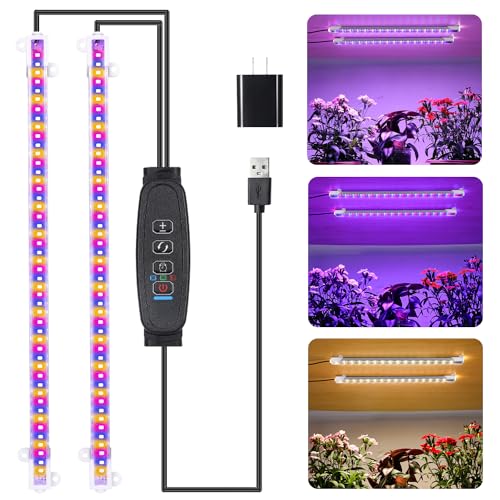
【Upgrade 2*48 Full Spectrum LEDs】The Grow Light has 2*48 LEDs and each light bar has 16pcs Red+16pcs Blue+16pcs Yellow LEDs. High quality LEDs help plants grow with high light efficiency, high PPFD, low heat and longer lifespan. Indoor plant light emits all wavelengths from 380nm to 800nm, simulating natural sunlight to more effectively promote the growth of indoor plants.

PREFESSIONAL SPECTRUMS: Blue(wavelength: 400nm ~ 520nm): Help plants grow. Red(wavelength: 610nm ~ 720nm): Help plants sprout and flowering , and is the key for flowering plants. The ratio of red light to blue light is 3:1, suits ornamental plants of broad leaves, and leaf vegetables.
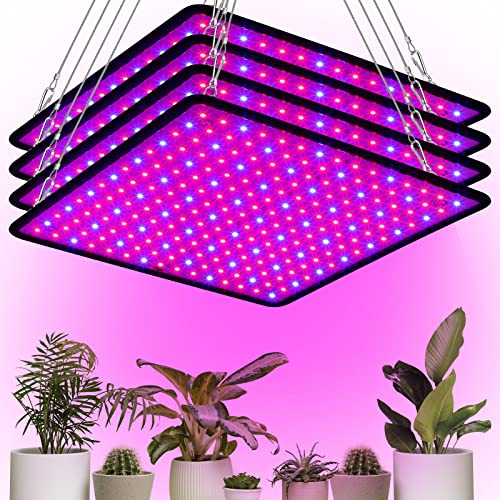
Red and Blue Leds: each grow light panel has 225 LEDs combining red and blue light to supplement natural daylight for indoor plants; Position above your plants to provide light where it is needed
Understanding Photoreceptors
Photoreceptors are specialized proteins in seeds that detect light. In lettuce seeds, two primary types of photoreceptors—phytochromes and cryptochromes—help regulate germination. Phytochromes respond to red and far-red light, while cryptochromes react to blue light. When lettuce seeds receive adequate light, these photoreceptors trigger biochemical signals that activate the germination process, leading to quicker and more uniform sprouting.
Types of Light and Their Effects
Different types of light can affect the germination of lettuce seeds in significant ways:
- Red Light: Promotes rapid germination, leading to a stronger seedling.
- Blue Light: Enhances growth and leaf development, benefiting seedlings as they establish.
- Natural Light: Using natural sunlight yields the best results, as it combines different light wavelengths.
For best results, expose lettuce seeds to a mix of red and blue light right after planting, ensuring they sprout healthily. Ensure the light source is consistent and avoid prolonged darkness, as it can delay or inhibit germination.
Does Lettuce Need Light to Germinate?
Lettuce does require light for optimal germination, playing a crucial role in the seed’s early development.
Recommended Products
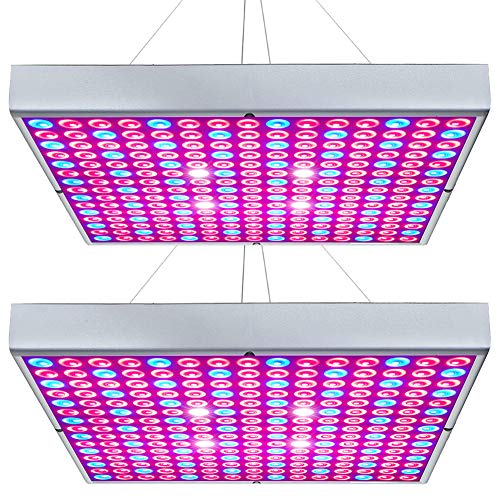
🌹[Classical Full Spectrum] Compact grow light that puts out the needed light, includes 163pcs (620-660nm)+58pcs blue leds(450-460nm) +4pcs white leds (6500k), which is good for all kinds of indoor plants seeding growing and flowering at all growth stages.

【Red, Blue Grow Light】 : The grow light for indoor plants is composed of red blue two different led beads, it meets the condition of plant growth without sunlight. Red (660nm)+ blue (460nm) spectrum: For flowering and fruit. Red + Blue : A mix of red + blue is the best fuel for your plant growth.

【Beetter light spectrum optimization】Full spectrum lights are all-around products that can provide adequate and balanced lighting for a plant throughout its life cycles. These lights covers the whole spectrum, from UV, IR to red and blue lights. They provide the flexibility you need to grow a variety of plants, for both veg and bloom stage.
Research Findings
Studies show that lettuce seeds germinate best under light exposure. Researchers discovered that light, particularly red light, enhances the germination rate and leads to stronger seedlings. In controlled conditions, seeds exposed to light germinated within 5 to 10 days compared to those kept in darkness, which tended to germinate more slowly or not at all. Photoreceptors in the seeds, such as phytochromes, detect light and initiate the germination process, highlighting the importance of light in successful weed development.
Practical Considerations for Growers
For effective germination, provide lettuce seeds with adequate light immediately after planting. Here are several practical tips:
- Light Type: Use a mix of red and blue LED grow lights. Red light encourages quick germination while blue light supports overall growth.
- Duration: Keep lights on for 12-16 hours each day. This duration helps mimic natural daylight conditions.
- Distance: Position lights about 6 inches above the seedlings to prevent overheating while providing sufficient exposure.
- Moisture Monitoring: Maintain consistent moisture. Check soil regularly and water as needed, ensuring it stays damp but not waterlogged. Excess water can impede germination.
- Temperature Control: Ensure temperatures stay between 60°F and 70°F. Cooler or warmer conditions can delay or prevent germination.
By following these guidelines, you can create an environment that promotes healthy lettuce seed germination and robust plant growth.
Tips for Successful Lettuce Germination
Recommended Products

IDEAL GERMINATION TEMPERATURE: The BN-LINK seedling heat mats for seed starting helps maintain temperatures around 70°F to 85°F, the optimal range for seed germination, cutting propagation, and healthy seedling growth. Achieve faster germination and higher growth rates with seed heating mat.

Reliable Results: The VIVOSUN professional heat mat maintains optimal temperatures around 68-86℉ (20-30℃), perfect for Seedling start and cutting propagation; Made from durable PVC material, it's designed to last
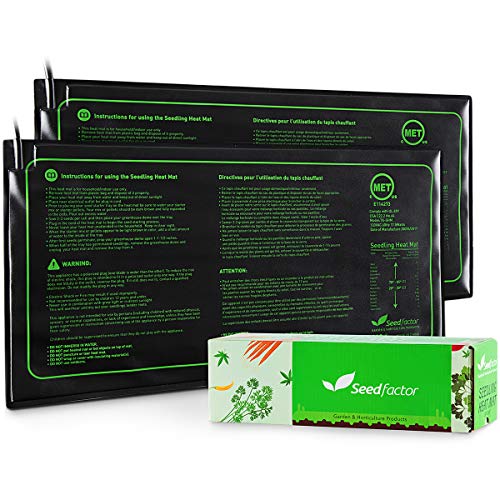
MET safety certified;Comply with UL 499;CSA C22.2 No.64
Choose the Right Environment
Select a location with the ideal temperature range of 60°F to 70°F. This temperature range promotes optimal seed activation. Use a seedling heat mat if your room is cooler to encourage germination.
Ensure Proper Light Exposure
Place seeds in an area with adequate light. Lettuce seeds respond positively to light, so exposing seeds to light immediately after planting speeds up germination. Use a mix of red and blue LED grow lights for best results.
Maintain Moisture Levels
Keep the soil consistently moist without over-saturating it. Water the soil lightly until it’s evenly damp. Check daily, ensuring the top layer remains moist but not waterlogged, which can lead to rot.
Follow a Lighting Schedule
Adhere to a lighting schedule of 12-16 hours daily. Position lights about 6 inches above the seedlings. This duration helps develop stronger seedlings and supports rapid growth.
Monitor Seed Health
Watch for signs of sprouting, which typically occurs within 5 to 10 days. If sprouts do not appear after 10 days, reassess your moisture, temperature, and light conditions to identify any issues.
Thin Seedlings After Germination
Once your seedlings reach about 1-2 inches tall, thin them out. Remove weaker seedlings to allow space for the stronger ones. This practice promotes better airflow and reduces competition for nutrients.
By following these tips, you can create a nurturing environment for your lettuce seeds. This attention to detail enhances germination and contributes to healthier plants.
Conclusion
Understanding that lettuce seeds thrive with light can make all the difference in your gardening success. By providing the right conditions such as temperature moisture and light exposure you can encourage quicker and healthier germination.
Using a combination of red and blue LED lights along with a consistent watering routine will help your seeds sprout and grow into strong plants. Remember to keep an eye on your seedlings and adjust your care as needed.
With these tips in mind you’re well on your way to enjoying a bountiful harvest of fresh lettuce. Happy gardening!
Frequently Asked Questions
What factors influence the germination of lettuce seeds?
Germination of lettuce seeds is influenced by several factors including temperature, moisture, and light. Optimal temperatures for germination are between 60°F and 70°F. Adequate moisture is crucial, as it helps seeds absorb water needed for activation. Light exposure, particularly red and blue light, plays a vital role in stimulating faster germination and healthier growth.
How does light affect lettuce seed germination?
Light is essential for lettuce seed germination. Exposure to light helps activate photoreceptors that trigger biochemical signals for germination. Red light promotes rapid sprouting and strengthens seedlings, while blue light enhances leaf development. Insufficient light can slow down or inhibit the germination process.
What is the ideal temperature for lettuce seed germination?
Lettuce seeds germinate best at temperatures between 60°F and 70°F. Temperatures below this range can slow down germination, while temperatures above may prevent it altogether. Maintaining this temperature range helps ensure successful seed activation and growth.
How long does it take for lettuce seeds to germinate?
Lettuce seeds can germinate in as little as 5 to 10 days when provided with optimal conditions, including appropriate light and moisture levels. Consistent temperatures and proper care will help speed up the germination process.
What type of lighting is recommended for germinating lettuce seeds?
It’s recommended to use a mix of red and blue LED grow lights for optimal lettuce seed germination. Keep lights on for 12-16 hours daily and position them about 6 inches above the seedlings to promote strong and healthy growth.
How important is moisture for lettuce seed germination?
Moisture is very important for lettuce seed germination. Seeds need to be kept consistently moist to avoid drying out, but over-saturation should be avoided to prevent rot. Light, frequent watering helps maintain the ideal moisture balance.
Should I thin my lettuce seedlings, and if so, when?
Yes, thinning lettuce seedlings is beneficial. Once seedlings reach about 1-2 inches tall, thinning allows better airflow and nutrient access. This practice promotes healthier growth among the remaining seedlings.
Can darkness affect the germination of lettuce seeds?
Yes, prolonged darkness can negatively impact the germination of lettuce seeds. They require adequate light exposure to trigger the germination process effectively, so it’s important to provide light right after planting.
