Close Menu
    Veggie Knowledge
    • Home
    • Growing Vegetables
      • Beets
      • Broccoli
      • Carrots
      • Cucumber
      • Green Beans
    • Tips and Advice
    • Free eBook
    • About
      • Contact
      • Privacy Policy
    Veggie Knowledge
    Home»Tomatoes»What Causes Brown Leaves on Tomato Plants: Common Culprits and Solutions
    Tomatoes

    What Causes Brown Leaves on Tomato Plants: Common Culprits and Solutions

    Lucy StoneBy Lucy StoneAugust 21, 20245 Mins Read
    Facebook Twitter Pinterest LinkedIn Tumblr WhatsApp VKontakte Email
    Share
    Facebook Twitter LinkedIn Pinterest Email

    Ever wondered why your tomato plant’s leaves are turning brown? Picture this: you’ve lovingly tended to your garden, only to find those once vibrant green leaves now taking on a dull, brown hue. What could be causing this common issue? Understanding the reasons behind brown leaves on tomato plants is key to nurturing your garden back to health.

    Contents show
    1 Key Takeaways
    2 Understanding the Symptoms of Brown Leaves on Tomato Plants
    2.1 Identifying Common Signs of Leaf Browning
    2.2 Different Types of Brown Leaf Patterns
    3 Common Causes of Brown Leaves in Tomato Plants
    3.1 Environmental Stress and Its Impacts
    3.2 Pests and Diseases That Cause Brown Leaves
    3.3 Nutrient Deficiencies Leading to Brown Leaves
    4 Preventive Measures and Solutions
    4.1 Proper Watering Techniques
    4.2 Choosing the Right Fertilizers
    4.3 Integrated Pest Management Strategies
    5 Conclusion
    6 Frequently Asked Questions
    6.1 Why are the leaves on my tomato plants turning brown?
    6.2 How can I prevent brown leaves on my tomato plants?
    6.3 What should I do if I notice brown leaves on my tomato plants?

    Key Takeaways

    • Recognize the signs of brown leaves on tomato plants to address potential issues promptly.
    • Different types of browning patterns can indicate specific problems like diseases or nutrient deficiencies.
    • Environmental stress, pests, diseases, and nutrient deficiencies are common causes of brown leaves in tomato plants.
    • Proper watering techniques, balanced fertilizers, and integrated pest management are key preventive measures for maintaining healthy tomato plants.

    Understanding the Symptoms of Brown Leaves on Tomato Plants

    When it comes to your tomato plants, it’s crucial to recognize the signs indicating potential issues. By understanding these symptoms, you can take appropriate action to address any problems promptly.

    Identifying Common Signs of Leaf Browning

    Brown leaves on your tomato plants can manifest in various ways, indicating different underlying causes. Here are some common signs to look out for:

    • Tip Burn: The tips of the leaves turn brown first due to nutrient deficiencies or inconsistent watering.
    • Leaf Edges: Brown edges on leaves may suggest over-fertilization or salt buildup in the soil.
    • Uniform Browning: If entire leaves turn uniformly brown, it could be a sign of fungal infections like early blight or bacterial speck.

    Different Types of Brown Leaf Patterns

    Understanding the specific patterns of browning on tomato plant leaves can help pinpoint the issue accurately. Here are different types of brown leaf patterns you might encounter:

    • Spots and Lesions: Circular dark spots or lesions indicate diseases like Septoria leaf spot or bacterial canker.
    • Yellowing with Brown Veins: Yellowing between leaf veins turning brown could signal magnesium deficiency.
    • Browning from Bottom Up: Leaves browning starting from the bottom and progressing upwards often indicate fungal diseases such as late blight.
    MUST READ:  Boost Your Tomato Plants: Discover the Best Companion Plants for Tomatoes

    By recognizing these distinct patterns and signs of brown leaves on your tomato plants, you’ll be better equipped to diagnose issues early and implement effective solutions to ensure your plants thrive.

    Common Causes of Brown Leaves in Tomato Plants

    When dealing with brown leaves on your tomato plants, it’s essential to understand the common causes that could be impacting their health. By recognizing these factors early on, you can take proactive steps to address the issues and ensure your plants thrive.

    Recommended Products
    Natria Neem Oil Spray for Gardening - Ready-to-Use - Pest Control & Disease Control - Use for Houseplants and Home Gardens - 24 oz Bottle
    Natria Neem Oil Spray for Gardening - Ready-to-Use - Pest Control & Disease Control - Use for Houseplants and Home Gardens - 24 oz Bottle

    PLANT DISEASE CONTROL: Natria Neem Oil acts as an insecticide and fungicide in one convenient spray; Ready-to-use trigger sprayer requires no mixing

    VIEW LATEST PRICE

    As an affiliate, we earn on qualifying purchases.

    Earth's Ally 3-in-1 Plant Spray for Pests and Disease - Organic Insecticide, Fungicide and Spider Mite Control - OMRI Listed Indoor Outdoor Garden Spray - Safe for Pollinators, Kids and Pets - 32 oz
    Earth's Ally 3-in-1 Plant Spray for Pests and Disease - Organic Insecticide, Fungicide and Spider Mite Control - OMRI Listed Indoor Outdoor Garden Spray - Safe for Pollinators, Kids and Pets - 32 oz

    READY-TO-USE NATURAL SOLUTION - Earth's Ally 3 in 1 Plant Spray is a multi-purpose pest and fungus spray that works as an insecticide, miticide and fungicide. The formula effectively controls pests and common plant diseases with a synergistic blend of botanical oils.

    VIEW LATEST PRICE

    As an affiliate, we earn on qualifying purchases.

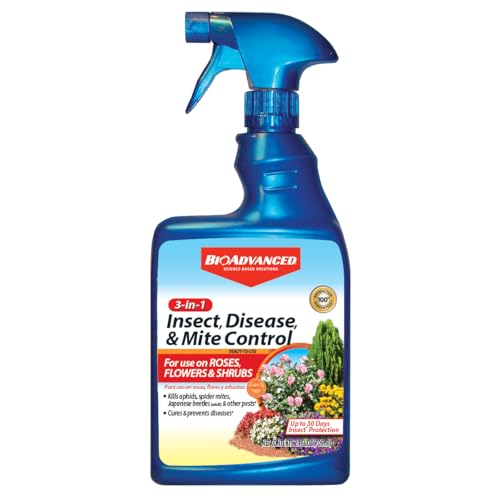
    BioAdvanced 3-in-1 Insect, Disease, and Mite Control Spray - Insecticide, Fungicide & Miticide - Ready-to-Use - Prevents Pests and Diseases - Up to 30 Days Protection - 24 fl oz Bottle
    BioAdvanced 3-in-1 Insect, Disease, and Mite Control Spray - Insecticide, Fungicide & Miticide - Ready-to-Use - Prevents Pests and Diseases - Up to 30 Days Protection - 24 fl oz Bottle

    3-IN-1 PLANT CARE: 3-In-1 Insect, Disease & Mite Control is insect control, disease control, and mite control all in one; Systemic protection lasts up to 30 days

    VIEW LATEST PRICE

    As an affiliate, we earn on qualifying purchases.

    Environmental Stress and Its Impacts

    Environmental stress is a significant factor that can lead to brown leaves on your tomato plants. Factors such as extreme temperatures, inadequate sunlight, or overexposure to wind can cause stress, resulting in leaf discoloration. It’s crucial to provide optimal growing conditions for your tomato plants to prevent environmental stress-related issues.

    MUST READ:  How to Prep Soil for Planting Tomatoes: Tips for a Bountiful Harvest

    Pests and Diseases That Cause Brown Leaves

    Pests and diseases are another common cause of brown leaves in tomato plants. Insects like aphids, spider mites, or fungal infections such as early blight can damage the leaves, causing them to turn brown. Regular monitoring of your plants and prompt action against pests and diseases are vital in maintaining healthy foliage.

    Nutrient Deficiencies Leading to Brown Leaves

    Nutrient deficiencies can also manifest as brown leaves on tomato plants. Lack of essential nutrients like nitrogen, potassium, or magnesium can impact leaf coloration. Ensuring proper fertilization and soil nutrition levels is key to preventing nutrient deficiencies that result in brown foliage.

    Preventive Measures and Solutions

    To maintain healthy tomato plants and prevent brown leaves, follow these practical tips:

    Recommended Products

    5-10-10 Tomato & Vegetable Fertilizer - Made in USA - 2% Iron + Micronutrients Plant Food for Flower Gardens
    5-10-10 Tomato & Vegetable Fertilizer - Made in USA - 2% Iron + Micronutrients Plant Food for Flower Gardens

    PREMIUM QUALITY INGREDIENTS – Cz Garden 5-10-10 is all-purpose fertilizer for all indoor/outdoor flowers, lawn, and garden vegetables.
    VIEW LATEST PRICE

    As an affiliate, we earn on qualifying purchases.

    Miracle-Gro Water Soluble Tomato Plant Food - 18-18-21 NPK Fertilizer for Tomatoes and Vegetables, Promotes Bountiful Harvests, Vegetable Plant Fertilizer, 3 lb.
    Miracle-Gro Water Soluble Tomato Plant Food - 18-18-21 NPK Fertilizer for Tomatoes and Vegetables, Promotes Bountiful Harvests, Vegetable Plant Fertilizer, 3 lb.

    VEGETABLE FERTILIZER: Get the most from your vegetable garden with Miracle-Gro Water Soluble Tomato Plant Food, a water soluble vegetable garden fertilizer that's specially formulated to help you grow more bountiful vegetables (vs. unfed plants)

    VIEW LATEST PRICE

    As an affiliate, we earn on qualifying purchases.

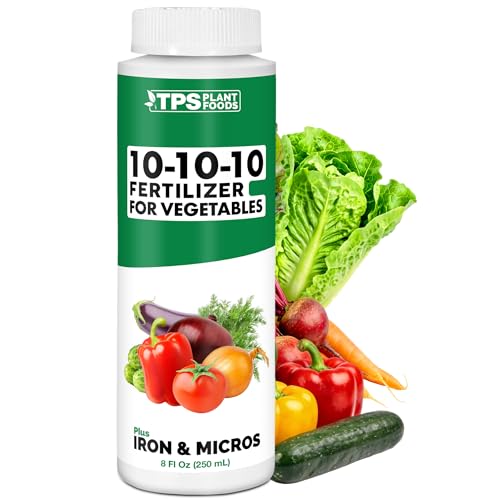
    10-10-10 Plant Fertilizer Slow Release - 10 10 10 All Purpose Granular Garden Fertilizer for Vegetables, Tomato, Arborvitae, Shrubs, Rose, Flowers, Fruit, Fig Trees (1/2 Quart)
    10-10-10 Plant Fertilizer Slow Release - 10 10 10 All Purpose Granular Garden Fertilizer for Vegetables, Tomato, Arborvitae, Shrubs, Rose, Flowers, Fruit, Fig Trees (1/2 Quart)

    🌿 Balanced 10-10-10 Granular Fertilizer for Outdoor & Indoor Plants: All-purpose plant food with 10% Nitrogen, 10% Phosphorus, and 10% Potassium. Perfect for outdoor vegetable gardens, fruit trees, evergreens, shrubs, lawns, and flowers. Also great for potted plants and indoor gardening. One solution for all your plant needs!

    VIEW LATEST PRICE

    As an affiliate, we earn on qualifying purchases.

    MUST READ:  Growing Tomatoes from Fresh Seeds: Essential Steps for Successful Cultivation

    Proper Watering Techniques

    Water your tomato plants consistently but avoid overwatering as it can lead to root rot, causing brown leaves. Ensure the soil is moist but not waterlogged. A good practice is to water at the base of the plant early in the day to allow foliage to dry before evening.

    Choosing the Right Fertilizers

    Select a balanced fertilizer specifically formulated for tomatoes. Avoid excessive nitrogen, which can contribute to brown leaves. Consider organic options like compost or well-balanced commercial fertilizers with an NPK ratio suitable for tomatoes.

    Integrated Pest Management Strategies

    Implement integrated pest management by regularly inspecting your plants for pests like aphids, mites, or caterpillars that can cause stress leading to brown leaves. Use natural predators or insecticidal soaps if necessary instead of harsh chemicals that may harm beneficial insects.

    By following these preventive measures and solutions diligently, you can help your tomato plants thrive and maintain vibrant green foliage without succumbing to unsightly brown leaves.

    Conclusion

    Keep an eye on your tomato plants for any signs of brown leaves as they can be an indication of various issues like nutrient deficiencies, over-fertilization, or fungal infections. By identifying the cause early on and taking appropriate action, you can ensure your plants stay healthy and vibrant. Remember to provide them with the right care, including proper watering, suitable fertilizers, and effective pest management techniques. With these preventive measures in place, you can enjoy lush green foliage on your tomato plants and avoid the hassle of dealing with brown leaves. Happy gardening!

    Frequently Asked Questions

    Why are the leaves on my tomato plants turning brown?

    Brown leaves on tomato plants can be caused by various factors, including nutrient deficiencies, over-fertilization, fungal infections, environmental stress, pests, diseases, and improper watering.

    How can I prevent brown leaves on my tomato plants?

    To prevent brown leaves on tomato plants, ensure proper watering practices, choose balanced fertilizers suitable for tomatoes, implement integrated pest management techniques to control pests and diseases effectively.

    What should I do if I notice brown leaves on my tomato plants?

    If you notice brown leaves on your tomato plants, diagnose the specific issue promptly. Adjust watering habits if needed and address any nutrient deficiencies or pest problems accordingly.

    Share. Facebook Twitter Pinterest LinkedIn Tumblr WhatsApp Email
    Previous ArticleKeeping Tomato Plants Warm at Night: Essential Tips for Cold Weather Care
    Next Article When to Plant Tomatoes in Massachusetts: Tips for Successful Harvest
    lucy stone
    Lucy Stone

      Hi, I'm Lucy! As a passionate gardener and writer for Veggie Knowledge, I've dedicated my life to exploring the secrets of successful vegetable growing. My love for gardening blossomed in my grandmother's backyard, where I learned how much joy a single plant can bring. I aim to share that joy through practical tips and insightful advice, helping you cultivate your own thriving garden

      Related Posts

      Top Tips for Where to Buy San Marzano Tomato Plants and Growing Success

      August 26, 2024

      How to Keep Deer Away from Tomato Plants: Natural Strategies for a Bountiful Harvest

      August 26, 2024

      When Are Cherokee Purple Tomatoes Ripe? Expert Tips for Perfect Harvest

      August 26, 2024

      Growing Tomatoes in Clay Soil: Tips for Success in Challenging Conditions

      August 26, 2024
      Leave A Reply Cancel Reply

      Affiliate Disclosure

      As an Amazon Associate, I earn from qualifying purchases.

      Recommended Reading

      How to Grow and Harvest Peanuts: Step-by-Step for Beginners

      Growing Vegetables

      How to Grow Garlic in Southern California: Regional Pro Secrets

      Growing Vegetables

      The Greenhouse Effect: How It Relates to Growing Plants Indoors

      Growing Vegetables

      How to Grow Trinidad Scorpion Peppers: Avoid Common Mistakes

      Growing Vegetables

      How to Grow Malabar Spinach From Seed: Pro Success Secrets

      Growing Vegetables

      How Many Bell Peppers Grow Per Plant? Expert Yield Guide

      Growing Vegetables

      How to Grow Cucumbers in Florida: 2026 Regional Success Guide

      Growing Vegetables

      How to Grow Peaches From Seeds: Step-by-Step for Beginners

      Growing Vegetables
      How VeggieKnowledge.com Got Started

      We started this website to share our love of vegetables with the world, and to help people discover the many benefits of growing, cooking, and eating fresh and delicious vegetables.

      Got questions or comments? You can reach us at [email protected].

      Featured Articles

      10 Common Gardening Mistakes (and How to Avoid Them)

      How Much Sun Do Vegetables Really Need?

      Beginner’s Guide to Growing Vegetables: What to Know Before You Start

      Watering 101: How to Keep Your Plants Happy and Healthy

      The Best Vegetables for First-Time Gardeners

      Categories
      • Beets
      • Broccoli
      • Carrots
      • Cucumber
      • Green Beans
      • Tips and Advice
      Veggie Knowledge
      • Home
      • About
      • Contact
      • Privacy Policy
      • Affiliate Disclosure
      • Free eBook
      © 2026 Veggie Knowledge

      Type above and press Enter to search. Press Esc to cancel.