

Wondering when the best time is to plant tomatoes in Massachusetts? Picture this: you’re eager to get your garden started, but unsure of the ideal planting schedule for those juicy tomatoes. It’s a common dilemma many gardeners face, wanting to ensure a bountiful harvest.
Key Takeaways
- Timing is crucial when planting tomatoes in Massachusetts to avoid frost damage and ensure a full growing season.
- Consider regional climate variations within Massachusetts to determine the best time for planting based on frost dates and growing season length.
- Choose tomato varieties suited to your region, such as determinate types for shorter seasons and indeterminate types for longer harvesting periods.
- Prepare the soil with proper pH levels and organic matter, fertilize with phosphorus-rich fertilizer, and start seeds indoors before transplanting for a successful harvest.
- Monitor weather patterns for early season planting after the last frost date, use mulching or row covers for protection, and make mid-season adjustments like pruning and watering techniques.
- Care for tomato plants by maintaining consistent moisture levels through watering techniques, practicing disease and pest management, and harvesting at peak ripeness based on color, texture, and smell indicators.
Understanding the Tomato Growing Season in Massachusetts
Starting your tomato garden at the right time is crucial for a successful harvest. Here’s why timing matters and some regional climate considerations to keep in mind:
Why Timing Matters
Planting tomatoes too early can expose them to frost, stunting their growth or even killing them. On the other hand, waiting too long into the season may not give your plants enough time to mature and produce ripe fruits before fall arrives. To maximize your tomato yield, it’s essential to plant them when the risk of frost has passed but early enough for a full growing season.
Regional Climate Considerations
In Massachusetts, the climate varies across different regions of the state. Coastal areas like Boston experience milder winters and cooler summers compared to inland regions such as Worcester. Understanding your specific microclimate can help you determine the best time to plant tomatoes. Factors like average last spring frost date and length of the growing season will influence when you should start your tomato seeds indoors or transplant seedlings outside.
By considering these timing and climate factors, you can optimize your tomato growing season in Massachusetts for a fruitful harvest.
Preparing to Plant Tomatoes
To ensure a successful tomato harvest in Massachusetts, it’s crucial to prepare adequately before planting. Here are essential steps to get you started:
Recommended Products

Quick, at home results for Soil pH, Nitrogen, Phosphorous and Potash Innovative and inexpensive soil test kit features an easy-to-use capsule system and patented color comparators

Kindly NOTE: This soil tester can not be applied to test pH value of any other liquid. If the soil is too dry the indicator will not move, and water it before testing.

Accurate Soil pH Testing: Dewildetradingco Soil pH Test Strips offer measurements of soil pH levels (pH 3.5-9). As an essential tool for every gardener and grower, these test strips help determine the optimal pH for various plants, such as outdoor plants, indoor plants, gardens, grass lawns, fruit trees, flowers, vegetables, and forest shrubs.
Choosing the Right Tomato Varieties
When selecting tomato varieties for your Massachusetts garden, consider factors like your location within the state and the length of your growing season. Opt for determinate varieties if you have a shorter season, as they tend to mature faster. Indeterminate varieties are ideal for longer seasons and continuous harvesting throughout the summer.
Examples:
- If you’re in a coastal area with milder temperatures, cherry tomatoes like Sungold or Sweet 100 are excellent choices.
- For inland regions with warmer summers, beefsteak tomatoes such as Brandywine or Mortgage Lifter thrive well.
Soil Preparation and Fertilization
Proper soil preparation is key to healthy tomato plants. Start by testing your soil’s pH level; tomatoes prefer slightly acidic soil around 6.0-6.8. Amend the soil with organic matter like compost to improve drainage and nutrient retention.
Fertilize your tomato plants with a balanced fertilizer high in phosphorus (the middle number on the fertilizer label) before planting them. This encourages root development and early growth, setting the stage for a bountiful harvest later on.
By choosing suitable tomato varieties based on your region and preparing your soil diligently, you set yourself up for a successful tomato-growing season in Massachusetts.
Optimal Planting Dates for Tomatoes in Massachusetts
When planning your tomato planting schedule in Massachusetts, it’s crucial to consider the optimal planting dates to ensure a successful harvest. Here are some guidelines to help you navigate the early and mid-season phases effectively:
Recommended Products
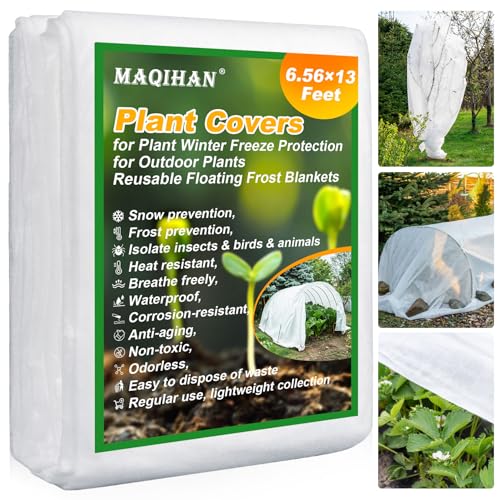
Product Features: Our plant covers are ideal for protecting all plant. Made from premium 1 oz/sq non-woven fabric, their durability and breathability ensuring both insulation against frost and facilitation of sunlight penetration for healthy plant growth

THICKER MATERIAL: Our plant freeze protection cover is made of UV stabilized polypropylene. Upgraded thicker 0.9oz./sq.yard lightweight but durable. Soft plant covers are friendly and no harm to your plants. Breathable non-woven fabric allow light, air go through the frost cloths and reach the plants.
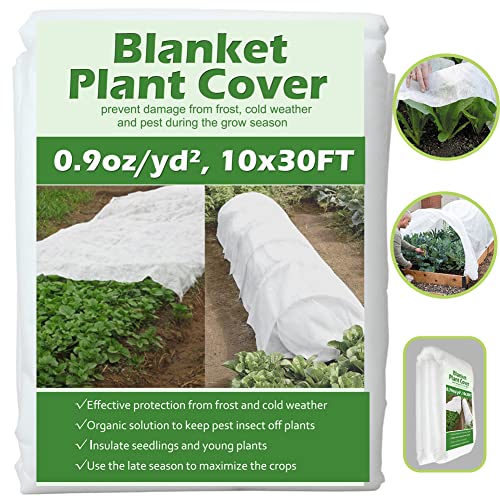
※Big Size to cover large area : The size of our plant cover is 10x30ft, the size can cover large areas. You can cut the plant covers freeze protection into different sizes for different use. You can cover it over the plant such as shrub tomato, pepper, pumpkin, and so on.
Early Season Planting
For an early start to your tomato garden, aim to plant your tomatoes after the last frost date in your area. In Massachusetts, the average last frost date varies across regions but generally falls between late April and mid-May. Coastal areas tend to experience milder winters compared to inland regions, affecting the timing of the last frost.
To determine the ideal time for early season planting, monitor local weather patterns and consult resources that provide specific frost date information for different parts of Massachusetts. Starting your tomatoes indoors several weeks before transplanting can give them a head start and increase their chances of thriving once moved outdoors.
Consider using techniques like mulching or row covers to protect young tomato plants from unexpected late frosts during this early phase. These methods can help safeguard your plants while ensuring they receive adequate warmth and protection as they establish themselves in the garden.
Mid-Season Adjustments
As the growing season progresses, you may need to make adjustments to optimize the health and yield of your tomato plants. Factors such as temperature fluctuations, rainfall patterns, and pest activity can influence plant growth during this period.
Monitor your tomato plants regularly for signs of nutrient deficiencies or pest infestations. Address any issues promptly by adjusting fertilization practices or implementing organic pest control methods to maintain plant vigor throughout the mid-season phase.
Pruning is another essential technique that can promote airflow around tomato plants, reduce disease risk, and encourage fruit development. By removing unnecessary foliage and side shoots, you can redirect energy towards fruit production and enhance overall plant health.
Stay attentive to watering needs during hot summer months, ensuring consistent moisture levels without overwatering. Consider using drip irrigation systems or soaker hoses to deliver water directly to the root zone while minimizing water waste through evaporation.
By making timely mid-season adjustments based on plant observations and environmental conditions, you can support healthy tomato growth and maximize yields in your Massachusetts garden.
Remember that adapting planting strategies according to seasonal variations will help you achieve a bountiful harvest of delicious tomatoes tailored specifically for Massachusetts’ climate nuances.
Care and Maintenance of Tomato Plants
Caring for your tomato plants is essential to ensure a successful harvest in Massachusetts. Here are some key aspects to focus on:
Recommended Products

HEAVY-DUTY METAL CONSTRUCTION – Made from strong plastic-coated steel, these tomato cages provide reliable support for tall, heavy plants. Built to withstand outdoor conditions season after season without bending or collapsing.

[VARIATY SHAPE & SIZE STRUCTURE]: You can build 6pcs triangular tomato cage up to 48inch high by the set. Snap-on arms design also makes it possible to create in different heights squares, hexagons or garden trellis depending on the size of plants, to fit garden beds, raised beds, or plant pot, perfect for maximizing growing space and help your plant grow vertically

1. Package Include:You will get 12 pcs plant support stakes, size measure 6.25"W X 9.8"H.Sufficient quantities to meet your needs
Watering and Mulching Techniques
Proper watering is crucial for healthy tomato plants. Ensure consistent moisture levels by watering deeply but infrequently, allowing the soil to dry out slightly between waterings. Mulching around the base of the plants can help retain moisture, regulate soil temperature, and reduce weed growth.
Disease and Pest Management
To protect your tomato plants from diseases and pests, practice good garden hygiene by removing any diseased leaves or fruits promptly. Consider using natural remedies like neem oil or insecticidal soap to control common pests such as aphids or hornworms. Regularly inspect your plants for signs of disease or pest infestations to address issues early on.
By implementing proper watering techniques and mulching strategies while staying vigilant against diseases and pests, you can nurture robust tomato plants that thrive in Massachusetts’ unique climate conditions.
Harvesting Tomatoes in Massachusetts
Harvesting tomatoes in Massachusetts requires careful attention to ensure you pick them at peak ripeness for the best flavor and texture. Here’s what you need to know:
Signs of Ripeness
Knowing when your tomatoes are ready for harvest is crucial. Look for these signs of ripeness:
- Color: Fully ripe tomatoes will have vibrant, deep colors. For example, red varieties should be a rich, deep red.
- Texture: Gently squeeze the tomato; it should yield slightly but still feel firm.
- Smell: Ripe tomatoes have a sweet, earthy aroma at the stem end.
Best Practices for Harvesting
To harvest your tomatoes effectively in Massachusetts, follow these best practices:
- Timing: Pick your tomatoes early in the day when temperatures are cooler to prevent heat stress on the plants.
- Tools: Use sharp garden shears or scissors to avoid damaging the plant while harvesting.
- Technique: Hold the tomato gently and twist it until it separates from the vine without pulling forcefully.
By following these guidelines, you can enjoy fresh, flavorful tomatoes grown right in your Massachusetts garden.
Conclusion
Now that you have all the essential information for planting and harvesting tomatoes in Massachusetts, you’re well-equipped to tackle the challenges and enjoy a bountiful harvest. Remember to keep an eye on frost risks, adjust your planting dates accordingly, and monitor your tomato plants throughout the season. By following the tips provided in this article, such as proper watering techniques, nutrient management, and pest control strategies, you can ensure healthy and flavorful tomatoes from your garden. With a little preparation and care, you’ll be delighted by the results of your tomato-growing efforts in Massachusetts. Happy gardening!
Frequently Asked Questions
What are the main challenges faced by Massachusetts gardeners when planting tomatoes?
Massachusetts gardeners face challenges such as frost risks, maturity issues, and regional climate variations when planting tomatoes.
How can I prepare for a successful tomato harvest in Massachusetts?
To prepare for a successful tomato harvest in Massachusetts, focus on optimal planting dates, monitoring weather patterns, and mid-season adjustments like nutrient deficiencies, pest control, pruning, and watering techniques.
What are some tips for early season planting of tomatoes in Massachusetts?
For early season planting of tomatoes in Massachusetts, consider starting seeds indoors to extend the growing season and protect against frost risks. Transplant seedlings outdoors after the last frost date.
What should I consider when harvesting tomatoes in Massachusetts?
When harvesting tomatoes in Massachusetts, look for signs of ripeness such as color changes and firmness. Harvest at peak ripeness for the best flavor and texture.
How can I ensure robust tomato plants that thrive in Massachusetts’ unique climate conditions?
Ensure robust tomato plants by practicing proper watering techniques, using mulching to retain moisture and prevent weeds, implementing disease and pest management strategies tailored to the region’s climate conditions.
