

Ever wondered why your carrot harvests aren’t as bountiful as you’d like? Are your carrots not reaching their full potential because of the soil quality in your garden? Picture this: you put in the effort, but the results just don’t match up. Fret not, as we’ve got your back! In this article, you’ll uncover the secrets to growing vibrant carrots even in less-than-ideal soil conditions.
Imagine transforming that struggling carrot patch into a thriving garden full of healthy, flavorful carrots. With the right tips and tricks, you can turn your soil challenges into opportunities for growth. From simple adjustments to smart techniques, this article will equip you with the knowledge to nurture your carrots and achieve a successful harvest. Get ready to unlock the potential of your garden and enjoy the rewards of your labor with these valuable insights.
Assessing Soil Quality for Carrots
When it comes to growing healthy carrots in poor soil, assessing your soil quality is crucial. Here are some steps to help you understand and improve the soil conditions for your carrots:
- Soil Texture: Carrots thrive in loose, well-draining soil. Sandy loam is ideal, allowing roots to penetrate easily.
- pH Level: Test your soil’s pH to ensure it’s between 6.0 and 6.8, the optimal range for carrot growth.
- Nutrient Levels: Check for key nutrients like nitrogen, phosphorus, and potassium. Fertilize accordingly.
By assessing your soil and making necessary adjustments, you can set the stage for successful carrot growth in even the poorest soil conditions.
Choosing the Ideal Carrot Varieties
When choosing carrot varieties, consider those suited for poor soil conditions. Look for varieties that are:
- Resilient to challenges like compacted or rocky soil.
- Adaptable to varying pH levels.
- Tolerant of less-than-optimal nutrient availability.
Some top varieties for poor soil include:
- Chantenay: Ideal for heavy soils, producing short and thick carrots.
- Nantes: Known for their straight shape, suitable for rocky soils.
- Danvers: Resistant to splitting and great for compacted soils.
Choose wisely to set yourself up for success when growing carrots in challenging soil conditions.
Recommended Products
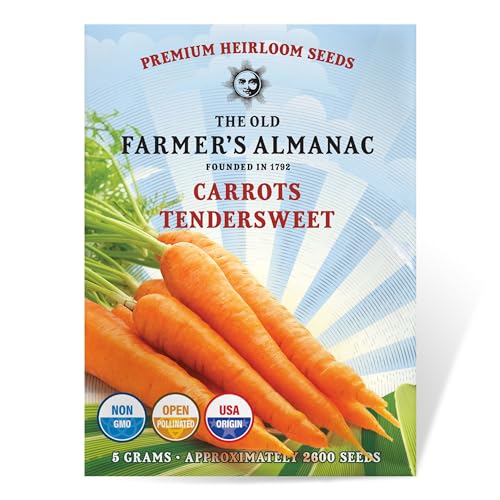
Premium Seeds: Tendersweet heirloom carrot variety offering approximately 2600 seeds for extensive garden planting and multiple growing seasons

Sweet, Coreless Roots: Heirloom carrots with tender 9-10 inches orange taproots and high sugar content. Grow in 3-10 USDA zones. Great carrots seeds for planting in any home garden.
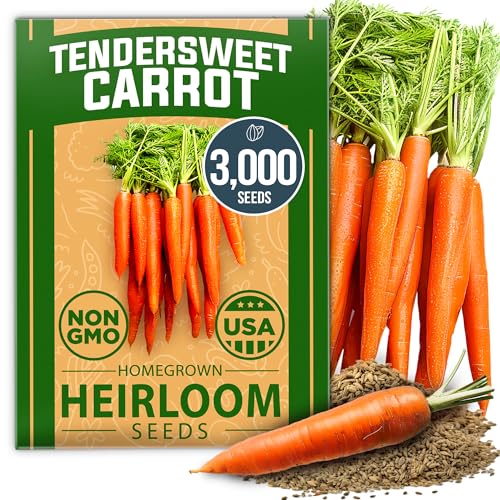
Premium Tendersweet Carrot Seeds: Authentic Open-Pollinated Premium Heirloom Seeds (USA) Non-GMO, Untreated, High Germination Rate. Phenomenal dessert Brix profile. High-impact carotene energy. An outstanding orange monolith for open ground, high ridges, and patio containers. Your garden bed is your pride.
Soil Preparation Techniques for Poor Soil Conditions
When dealing with poor soil conditions, preparing the soil adequately is crucial for successful carrot growth. Here are a few techniques to enhance your soil for optimal carrot cultivation:
- Loosening the Soil: Start by loosening the soil to allow carrots to grow deeply. Use a tiller or garden fork to break up compacted soil.
- Adding Organic Matter: Improve soil structure and fertility by incorporating compost or well-rotted manure. This will enhance nutrient availability for your carrots.
- Adjusting pH Levels: Test your soil pH and amend it if necessary. Carrots thrive in slightly acidic to neutral soils with a pH of 6.0-7.0.
- Supplementing with Nutrients: Since poor soil may lack essential nutrients, consider fertilizing with a balanced fertilizer high in phosphorus for root development.
- Mulching: Cover the soil with a layer of mulch to retain moisture, regulate soil temperature, and reduce weed growth. Organic mulches like straw or leaves work well.
By preparing your soil using these techniques, you’ll create a favorable environment for carrots to thrive, even in less-than-ideal soil conditions.
Recommended Products

Quick, at home results for Soil pH, Nitrogen, Phosphorous and Potash Innovative and inexpensive soil test kit features an easy-to-use capsule system and patented color comparators

Kindly NOTE: This soil tester can not be applied to test pH value of any other liquid. If the soil is too dry the indicator will not move, and water it before testing.

Accurate Soil pH Testing: Dewildetradingco Soil pH Test Strips offer measurements of soil pH levels (pH 3.5-9). As an essential tool for every gardener and grower, these test strips help determine the optimal pH for various plants, such as outdoor plants, indoor plants, gardens, grass lawns, fruit trees, flowers, vegetables, and forest shrubs.
Optimizing Nutrient Availability for Carrot Growth
Growing carrots in poor soil doesn’t have to be a challenge when you focus on optimizing nutrient availability. Here are some tips to help you provide your carrot plants with the essential nutrients they need to thrive:
- Soil Testing: Start by testing your soil to determine its nutrient levels. This will help you identify any deficiencies that need to be addressed.
- Balanced Fertilization: Choose a fertilizer with a higher phosphorus content to promote healthy root development, essential for robust carrot growth.
- Organic Matter: Incorporate compost or aged manure into the soil to improve its nutrient content and structure, providing a steady supply of nutrients to your carrot plants.
- Microbial Activity: Encourage beneficial microbial activity in the soil by adding organic matter, which helps break down nutrients for easier absorption by plants.
- Mulching: Implement mulching techniques to conserve soil moisture and prevent nutrient leaching, ensuring that your carrot plants have access to a steady supply of nutrients.
| Nutrient Testing | Optimal Levels |
|---|---|
| Nitrogen | 1.8-3.5% |
| Phosphorus | 50-60 ppm |
| Potassium | 100-150 ppm |
By focusing on optimizing nutrient availability in your soil, you can provide your carrot plants with the necessary nutrients to support healthy growth and a bountiful harvest.
Watering and Maintenance Strategies
When growing carrots in poor soil, watering and maintenance play crucial roles in ensuring successful growth. Here are some tips to help you optimize these aspects:
- Watering Schedule: Carrots require consistent moisture, especially during germination and root development. Water deeply but infrequently to encourage root growth and prevent rotting.
- Soil Moisture: Check the soil moisture levels regularly by inserting your finger into the soil. If it feels dry, water the plants. Avoid over-watering, as it can lead to poor root development.
- Weeding: Regularly remove weeds around your carrot plants to reduce competition for nutrients and water.
- Thinning: After germination, thin out the seedlings to ensure adequate space for each carrot to grow to its full size. Overcrowding can lead to stunted growth.
- Mulching: Apply a layer of mulch around the plants to retain moisture, suppress weeds, and maintain a more even soil temperature.
- Fertilization: Use a balanced fertilizer with higher phosphorus content to promote root development. Avoid excessive nitrogen, which can result in foliage growth at the expense of root growth.
Remember, consistency is key when it comes to watering and maintaining your carrot plants in poor soil. By following these strategies, you can promote healthy growth and maximize your harvest.
Conclusion
You now have a solid understanding of the essential tips for successfully growing carrots in poor soil. By focusing on watering, maintenance, and nutrient strategies outlined in this article, you can overcome soil challenges and cultivate thriving carrot crops. Remember to stay consistent with your efforts and adapt these practices to suit your specific soil conditions. With dedication and these proven techniques, you’ll be well on your way to a bountiful carrot harvest, even in less-than-ideal soil environments. Happy gardening!
Frequently Asked Questions
Q: Why is watering important when growing carrots in poor soil conditions?
A: Watering is crucial to help carrots develop properly in poor soil by ensuring consistent moisture levels for optimal growth and root development.
Q: How often should I check the soil moisture when growing carrots?
A: It is recommended to regularly check the soil moisture to ensure it remains consistently moist but not waterlogged, typically every few days depending on weather conditions.
Q: Why is weeding important for growing carrots?
A: Weeding is essential to reduce competition for nutrients, water, and sunlight, allowing carrots to receive the necessary resources for healthy growth.
Q: Why is thinning out seedlings necessary for growing carrots?
A: Thinning out seedlings ensures that each carrot has enough space to grow properly, preventing overcrowding and promoting healthy root development.
Q: How does mulching help when cultivating carrots in poor soil?
A: Mulching helps retain moisture in the soil, suppresses weed growth, and regulates soil temperature, creating optimal conditions for carrot growth.
Q: Why is balanced fertilization with higher phosphorus content recommended for growing carrots?
A: Carrots require higher phosphorus levels to support root development, so using balanced fertilization with increased phosphorus content helps them thrive in poor soil conditions.
