

Ever wondered why your carrots aren’t thriving as they should? Have you found yourself drowning your carrot plants with love and water, only to see them struggle to grow? Picture this: you’re out in the garden, diligently watering your carrot patch, but could you be overdoing it?
In this article, you’ll uncover the subtle signs that your carrots might be suffering from too much water. By understanding these indicators, you’ll be equipped to adjust your watering routine and nurture your carrot crop to its full potential. Stay tuned to learn how to strike the perfect balance and ensure your carrots flourish in the garden.
Understanding the Impact of Overwatering
Overwatering can have detrimental effects on your carrots. Here’s what you need to know:
- Stunted Growth: Too much water can drown the roots, preventing them from absorbing nutrients properly.
- Yellowing Leaves: When overwatered, carrots often display yellow leaves as a result of nutrient deficiency.
- Rotting Roots: Excess moisture can lead to root rot, causing irreversible damage to the plant.
To avoid these issues, you should ensure proper drainage in your soil and adjust your watering routine accordingly.
Visual Signs of Overwatering in Carrots
Spotting signs of overwatering in your carrot plants is crucial to prevent irreversible damage. Pay close attention to the following indicators to ensure your carrots thrive:
- Yellowing Leaves: One of the most common visual cues of overwatering in carrots is the yellowing of the plant’s leaves. If you notice a general decline in the vibrancy of your carrot tops, overwatering may be the culprit.
- Wilting: Excessive moisture can lead to the wilting of carrot plants, even when the soil appears moist. If your carrots look droopy and lackluster, it might be time to reassess your watering regimen.
- Delayed Growth: If your carrot plants are not growing at the expected rate or seem stunted, overwatering could be inhibiting their development. Keep an eye on the progress of your carrots to catch this sign early.
- Rotting Roots: Overwatering can cause the roots of your carrot plants to rot, leading to a foul smell emanating from the soil. Gently inspect the roots to check for any signs of decay.
By recognizing these visual cues of overwatering in your carrots, you can promptly adjust your watering practices to promote healthier growth and avoid potential issues.
Recommended Products

Trusted Since 2015: Become one of the many plant lovers who rely on the proven accuracy of XLUX. Established in 2015, our soil moisture meter has earned over 60,000+ verified ratings for its consistent performance. While many many newer brands come and go, we provide the long-term reliability and quality that American households have trusted for over a decade.
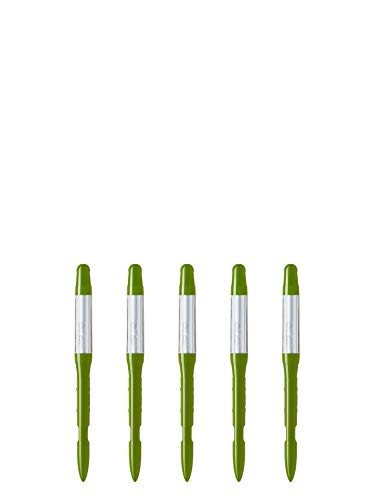
Dimensions: 0.4 x 0.3 x 4.7 inches (small) - Intended for pot sizes of 2, 2.5, and 3 - Ideal for small succulents

Accurate Soil Moisture Detection: The XLUX Soil Moisture Meter can tell you if the soil deep inside your pot or garden is dry, moist or wet; whereas your eyes and fingers can only determine the moisture level of the soil surface. The probe is 5.5 inches (14 cm) longer than regular styles, allowing it to measure the soil moisture at the bottom of larger and deeper flower pots.
How to Prevent Overwatering
To avoid overwatering your carrot plants, here are some practical tips for better watering practices:
- Check the Soil: Ensure proper drainage by inspecting the soil before watering. Soggy soil indicates excess water.
- Establish a Schedule: Create a consistent watering schedule based on plant needs and environmental factors.
- Use the Right Tools: Select tools like a watering can or drip irrigation for precise watering.
- Monitor Moisture Levels: Feel the soil to determine if watering is necessary. Dry soil means it’s time to water.
- Mulch Matters: Apply mulch around plants to retain moisture and regulate water levels.
- Adjust as Needed: Observe plant growth and adjust watering frequency accordingly.
| Tips to Prevent Overwatering |
|---|
| Check the Soil |
| Establish a Schedule |
| Use the Right Tools |
| Monitor Moisture Levels |
| Mulch Matters |
| Adjust as Needed |
Recommended Products
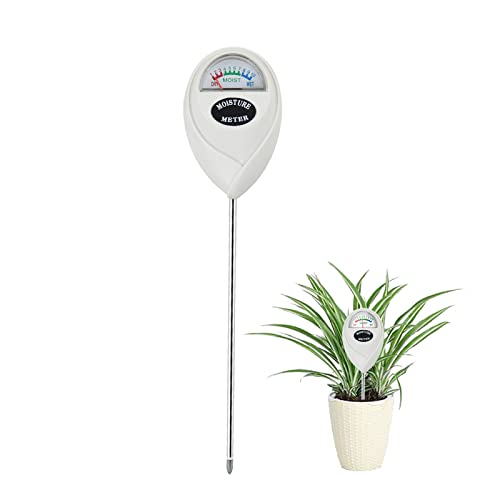
【SAVE YOUR PLANTS】: Over watering can cause problems with your plants or even kill them. This soil moisture meter helps you know the soil is dry, moist or wet.No more over watering!

Accurate Soil Moisture Detection: The XLUX Soil Moisture Meter detects deep soil moisture in pots or gardens (dry/moist/wet), unlike eyes or fingers that only sense surface soil.
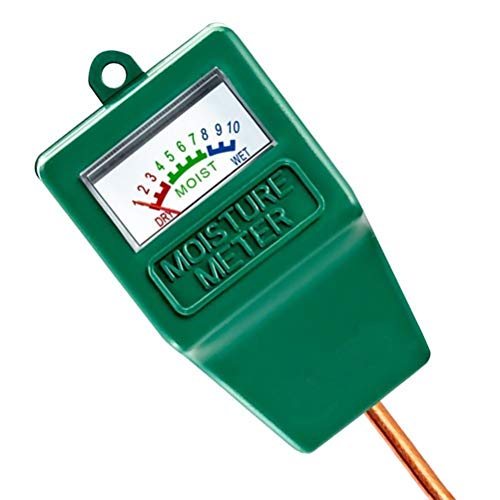
Soil Moisture Meter: This single probe soil moisture meter is specially designed for testing the moisture level in the soil, helps you decide whether the plants need water or not, helps to keep plants alive.
Adjusting Your Watering Routine
- Monitor plant growth: Regularly check how your carrot plants are developing to gauge their water needs.
- Check soil moisture: Before watering, feel the soil to determine if it’s already damp or waterlogged.
- Adapt to the weather: Modify your watering schedule based on rain or humidity levels to avoid overwatering.
- Learn from experience: Keep a gardening journal to track watering habits and outcomes for future reference.
- Consider plant location: Plants in different areas of your garden may have varying water requirements, so adjust accordingly.
| Key Points | Details |
|---|---|
| Check soil moisture | Before watering, ensure the soil isn’t already damp. |
| Adapt to weather | Modify watering based on rain or humidity levels. |
| Keep a journal | Track watering habits for future reference. |
| Consider plant location | Adjust watering based on the plant’s position in the garden. |
Recommended Products

Accurate Monitor: Visible window from blue to white as soil moisture decreases. One glance tells you if there's a water shortage.

Kindly NOTE: This soil tester can not be applied to test pH value of any other liquid. If the soil is too dry the indicator will not move, and water it before testing.
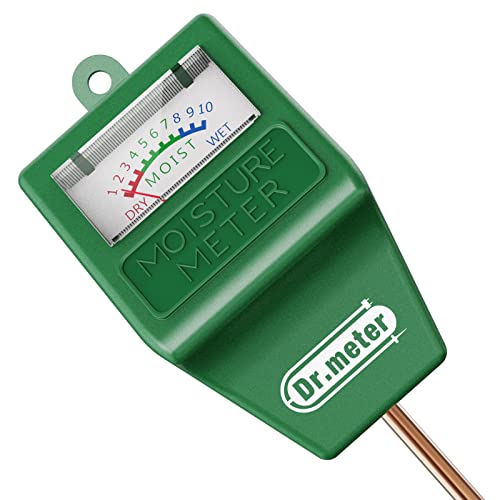
Compact & Portable: Have you been sticking your finger in the soil hoping to feel when it's time to water? Why not eliminate the guesswork and keep your hands clean when you use the Dr.meter Soil Moisture Sensor Meter! Know the right time to water your garden, farm, lawn and houseplants, anytime.
Conclusion
You’ve learned valuable insights into recognizing signs of overwatering in your carrot plants. By adjusting your watering routine and implementing monitoring techniques, you can ensure your carrots thrive. Remember to stay mindful of soil moisture levels, adapt to weather changes, and keep track of your watering habits. These simple adjustments can make a significant difference in the health and growth of your carrot plants. Happy gardening!
Frequently Asked Questions
How often should I water my carrot plants?
Water your carrot plants 1-2 times per week, adjusting based on plant growth and soil moisture levels.
What should I consider before watering my carrot plants?
Check soil moisture before watering, considering factors like recent rainfall, humidity, and plant location.
How can I track and improve my watering habits for carrot plants?
Keep a gardening journal to monitor watering frequency and adjust based on plant reactions and weather conditions.
