

Ever wondered why your carrot patch looks more like a crowded party than a well-spaced garden? Picture this: you’re eagerly waiting for your carrots to flourish, only to find them squished together, struggling to grow. Fret not, as we’ve got just the solution for you! In this article, we’ll show you the art of thinning carrots, ensuring your veggies have ample room to thrive.
Why Thinning Carrots is Important
Thinning carrots promotes healthy growth by reducing competition.
Space allows roots to develop properly.
Air circulation is improved, reducing disease risk.
| Fact | Number |
|---|---|
| Carrots per bunch | 24-30 |
| Ideal spacing | 2 inches |
Thinned carrots lead to bigger and sweeter harvests.
Neglecting thinning can result in stunted growth.
Remember: Early thinning is crucial.
Start when carrots are an inch tall.
When to Thin Carrots
Thinning your carrots at the right time is crucial for their overall health and development. Here’s when you should consider thinning your carrot plants:
- Early Thinning: Start thinning when your carrots are about an inch tall. This early intervention sets the stage for robust growth by reducing overcrowding.
- Progressive Thinning: As your carrots continue to grow, thin them periodically to maintain the recommended spacing of 2 inches between each plant. This gradual thinning process ensures that each carrot has enough room to flourish.
- Consistent Monitoring: Keep a close eye on your carrot patch and thin as needed. Regular monitoring allows you to adjust the spacing as the plants mature, promoting optimal root development.
Thinning your carrots at the right times sets the foundation for a bountiful harvest. Stay proactive and attentive to ensure your carrots reach their full potential.
Tools Needed for Thinning Carrots
When it comes to thinning carrots, having the right tools can make the process much smoother. Here are some essential tools you’ll need for thinning your carrot patch effectively:
- Garden trowel: This tool is perfect for precisely removing unwanted carrot seedlings without disturbing nearby plants.
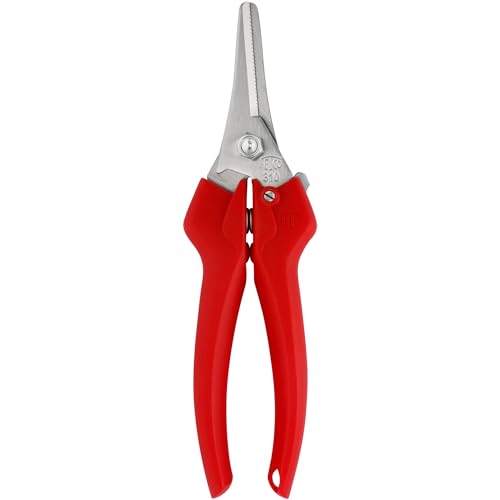
- Small scissors or pruners: Ideal for snipping off excess seedlings when thinning larger carrot plants to maintain proper spacing.
- Gloves: Protect your hands from dirt and potential scratches while working in the garden.
- Measuring tool: Whether it’s a ruler or measuring tape, having a tool to ensure you maintain the recommended spacing between carrot plants is crucial.
- Bucket or basket: Use this to collect the thinned seedlings and keep your work area tidy.
Remember, with the right tools at your disposal, thinning carrots will be a breeze, and you’ll set the stage for a successful harvest down the line.
Recommended Products

HELPING YOU GARDEN BETTER: Get ready for a huge harvest from your vegetable garden! Inspired by the Square Foot Gardening method, our patented seed-spacing template is fun for all ages and experience levels.

30% RECYCLED PLASTIC CONSTRUCTION: Durable tool made from post-consumer recycled plastic, supporting sustainable gardening practices while reducing environmental impact

Serrated blade is 6 in. long with a forked tip
How to Thin Carrots Properly
When it comes to thinning carrots, it’s essential to do it properly to ensure healthy and robust growth of your carrot crop. Here’s a step-by-step guide to help you thin your carrots effectively:
- Timing: Start thinning your carrots when they are about 2 inches tall. This is the ideal time to ensure the remaining carrots have enough space to grow without competition.
- Gently pull: To thin your carrots, gently grasp the unwanted seedlings, and carefully pull them out. Be cautious not to disturb the surrounding soil too much.
- Spacing: Aim for a spacing of about 1 to 3 inches between each carrot plant. Proper spacing is crucial for the development of strong and healthy carrots.
- Regular thinning: It’s important to thin your carrots regularly. Thinning once may not be enough, so keep an eye on the growth of your plants and thin them as needed.
- Use the right tools: Make sure to have your garden trowel and small scissors or pruners handy. These tools can make the thinning process more manageable and precise.
- Be patient: Thinning carrots may seem tedious, but it’s a crucial step in ensuring a bountiful harvest. Take your time and enjoy the process of nurturing your carrot crop.
By following these simple steps and tips, you’ll be on your way to successfully thinning your carrots and setting the stage for a rewarding harvest. Remember, a little effort now will lead to big rewards later.
Recommended Products

GARDENING ESSENTIAL: Heavy duty, ergonomic hand trowel ideal for a variety of gardening tasks like digging in tough soil, maintaining your herb garden, digging all holes, turning soil, and more to encourage overall plant health and appearance

GARDENING ESSENTIAL: Ergonomic hand trowel with oversized head ideal for a variety of gardening tasks like digging in tough soil, maintaining your herb garden, digging all holes, turning soil, and more to encourage overall plant health and appearance
Tips for Maintaining Healthy Carrot Growth
So, you’ve thinned your carrot seedlings, but how do you ensure they continue to thrive? Here are some helpful tips to keep those carrots growing strong:
- Regular Watering: Carrots need consistent moisture. Aim to give them about 1 inch of water per week, especially during dry spells.
- Fertilize Wisely: Avoid over-fertilizing as too much nitrogen can lead to forked roots. Opt for a balanced fertilizer with equal parts nitrogen, phosphorus, and potassium.
- Weed Control: Keep those pesky weeds at bay as they compete with carrots for nutrients. A 2-3 inch layer of mulch can help suppress weeds while retaining soil moisture.
- Watch for Pests: Keep an eye out for carrot rust flies and carrot weevils. Consider covering your plants with floating row covers to protect them.
- Harvest at the Right Time: Carrots are ready to harvest when they reach a deep orange color and are about 1/2 to 3/4 inch in diameter. Don’t let them sit too long in the ground as they might become woody.
Conclusion
Thinning your carrots is a crucial step in ensuring a bountiful harvest. By using the right tools and following a few simple steps, you can promote healthy growth and development in your carrot crop. Remember to be patient and gentle when pulling out unwanted seedlings, maintain proper spacing between plants, and regularly thin your carrots. With regular watering, wise fertilization, weed control, and pest monitoring, you’ll set the stage for a successful harvest. By following these tips, you’ll be on your way to growing delicious, vibrant carrots in your garden. Happy gardening!
Frequently Asked Questions
Q: Why is thinning carrots important?
A: Thinning carrots is crucial to ensure proper spacing between plants, allowing room for roots to develop fully and preventing competition for nutrients, resulting in healthier and more robust carrots.
Q: When is the best time to thin carrots?
A: Carrots should be thinned when the seedlings reach about 2 inches in height, typically 2-3 weeks after planting. Thinning early promotes strong growth and minimizes root disturbance.
Q: What tools are recommended for thinning carrots?
A: For thinning carrots, essential tools include a garden trowel for gentle pulling of unwanted seedlings and small scissors for precise cutting to maintain the desired spacing between plants.
Q: How often should carrots be thinned?
A: Carrots should be regularly thinned throughout their growth cycle to maintain proper spacing and prevent overcrowding. Aim to thin them every 2-3 weeks as needed.
Q: What are the benefits of thinning carrots properly?
A: Properly thinning carrots promotes healthy root development, reduces the risk of disease, ensures consistent access to nutrients and sunlight, and ultimately leads to a bountiful and high-quality carrot harvest.
