

Have you ever wondered how to boost your lettuce harvest? Companion planting might just be the answer. By choosing the right plants to grow alongside your lettuce, you can enhance its growth and flavor while keeping pests at bay.
Key Takeaways
- Companion Planting Benefits: Companion planting improves lettuce growth by enhancing pest control, flavor, and soil fertility, leading to a more productive garden ecosystem.
- Effective Companion Plants: Marigolds, basil, radishes, chives, and nasturtiums are excellent companions for lettuce, providing pest protection and enhancing growth.
- Plants to Avoid: Steer clear of planting cabbage, celery, coriander, fennel, and potatoes near lettuce, as they can compete for resources and attract pests.
- Planting Techniques: Space companion plants 6 to 12 inches from lettuce, use rows or blocks, and rotate them each season to optimize growth and reduce pest buildup.
- Common Mistakes: Avoid overcrowding plants and neglecting soil health, as these factors can hinder the effectiveness of companion planting and overall garden productivity.
Understanding Companion Planting
Companion planting involves strategically growing different plants together to enhance growth and deter pests. This method benefits your garden by creating a more balanced and productive ecosystem.
Definition of Companion Planting
Companion planting refers to the practice of placing different plant species in proximity for mutual benefit. Some plants repel pests, while others attract beneficial insects or enhance soil fertility. For lettuce, selecting suitable companions can significantly impact its overall health and flavor.
Benefits of Companion Planting
Companion planting offers several key advantages:
- Pest Control: Some plants, like marigolds, naturally repel harmful insects, reducing the need for chemical pesticides.
- Improved Growth: Plants like radishes can help break up compacted soil, promoting better root development for lettuce.
- Flavor Enhancement: Certain herbs, such as basil, can enhance the flavor of lettuce when grown nearby.
- Increased Biodiversity: Encouraging a variety of plants fosters a healthier ecosystem, attracting pollinators and natural predators.
- Efficient Use of Space: Growing complementary plants together maximizes garden space, making use of vertical and horizontal planting methods.
Using companion planting effectively can lead to a thriving garden with healthier lettuce and reduced pest issues.
What Are Companion Plants for Lettuce?
Companion plants for lettuce support its growth and deter pests effectively. By choosing the right plants, you create a healthier garden ecosystem.
Recommended Products

"Mesclun" comes from the Provençal French word meaning "mixture" — this style of mixed salad greens originated in the Nice region of France and became a staple of fine restaurants worldwide before becoming a home garden favorite.

Beautiful - Large, premium packet of a blend of heirloom Lettuce seeds (Latuca sativa). This surprising mix of pretty and colorful lettuces will be a welcome addition to your garden in early spring and fall. Minimum of 600 mg per packet (about 650 seeds).
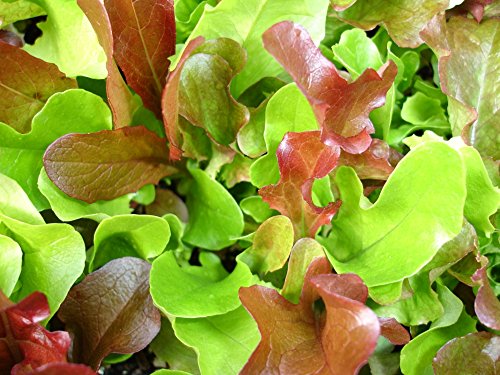
This is the real Mesclun salad mix: arugula, cicoria, enddive, red cabbage and various varieties of red and green lettuce. Harvest early for the best taste and look for re-growth. Best in cold weather (55-60 degrees). 28-35 days $1.69 Flat rate shipping: mix and match varieties, no limit
Suitable Companion Plants
- Marigolds: Marigolds repel common lettuce pests like aphids and nematodes. Their strong scent keeps harmful insects away.
- Basil: Basil enhances the flavor of lettuce and attracts beneficial insects that can help control pests.
- Radishes: Radishes break up compacted soil, improving aeration and nutrient delivery to lettuce roots.
- Chives: Chives provide a natural barrier against aphids. They also deter rabbits, which can be a nuisance in the garden.
- Nasturtiums: These flowers attract aphids away from your lettuce, acting as a trap crop. Their vibrant blooms add beauty to your garden.
- Cabbage Family: Avoid planting cabbage, kale, or broccoli near lettuce. They compete for nutrients and can attract the same pests.
- Celery: Celery can stress nearby lettuce and both crops may struggle for water and nutrients.
- Coriander: Coriander can attract pests like aphids that harm lettuce. It also competes for the same resources.
- Fennel: Fennel produces allelopathic compounds, which inhibit the growth of nearby plants, including lettuce.
- Potatoes: Planting potatoes near lettuce can increase the risk of disease. This combination may lead to pest problems as well.
Tips for Successful Companion Planting with Lettuce
Companion planting boosts lettuce growth and health. Follow these tips for effective plant pairings.
Recommended Products

5 COMPANION PLANTS - This five-pack includes heirloom seeds for growing Large Leaf Basil (Ocimum basilicum), Borage (Borago officinalis), Compact Dill (Anethum graveolens), Crackerjack Marigold (Tagetes erecta), and Tip Top Mix Nasturtium (Tropaeolum majus)

USDA Certified Organic by Oregon Tilth
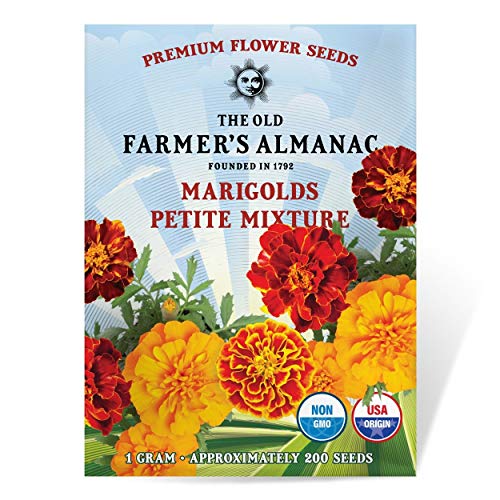
Easy to Grow: With prodigeous brilliant orange, yellow and red flower clusters Petite Mix Marigolds are hardy growers that love sun and heat and are drought tolerant. They also produce great flowers for arrangements or drying, and the seeds are easy to harvest and use for years to come!
Planting Techniques
- Space Appropriately: Space the companion plants about 6 to 12 inches from the lettuce. This distance allows for proper air circulation while ensuring the plants don’t compete for resources.
- Use Rows or Blocks: Plant lettuce in rows or blocks and intersperse companion plants within these patterns. For example, place basil or marigolds among your lettuce for optimal pest deterrence and enhanced growth.
- Consider Seasonality: Plan your planting based on the growing season. Early spring works well for lettuce alongside cool-season companions like peas or radishes.
- Rotate Regularly: Rotate companion plants each season. This strategy prevents soil depletion and reduces pest buildup.
- Monitor Watering: Keep the soil consistently moist but not waterlogged. Lettuce thrives in well-drained soil, so adjust watering based on rainfall and plant needs.
- Check for Pests: Regularly inspect your garden for pests. Remove any affected leaves promptly and use companion plants like chives or marigolds to deter pests naturally.
- Mulch Wisely: Apply organic mulch around your lettuce plants. Mulch conserves moisture, suppresses weeds, and adds nutrients as it decomposes.
- Feed Strategically: Use a balanced fertilizer to nourish your lettuce and companion plants. Look for a product high in nitrogen for leafy greens, applying according to package directions.
- Harvest Carefully: When harvesting lettuce, use scissors to trim leaves. Avoid uprooting the plant, allowing it to continue growing and providing cover for the companion plants.
Common Mistakes to Avoid
Some errors can hinder the success of companion planting with lettuce. Recognizing these can keep your garden productive and healthy.
Overcrowding
Overcrowding plants leads to competition for nutrients, light, and water. Space your companion plants 6 to 12 inches from lettuce to promote airflow and reduce disease risk. For example, when planting marigolds or basil, ensure they don’t overshadow your lettuce. Also, avoid cramming too many different species together. Stick to a few compatible companions for healthier growth.
Neglecting Soil Health
Neglecting soil health adversely affects companion planting outcomes. Regularly test your soil to ensure it has the right pH and nutrient levels. Incorporate organic matter like compost to enrich it. Avoid using synthetic fertilizers, as they can harm beneficial microorganisms. Balance is key; healthy soil fosters thriving plants. When you care for your soil, your lettuce and its companions will flourish.
Conclusion
Embracing companion planting can transform your lettuce garden into a flourishing oasis. By choosing the right plants to grow alongside your lettuce, you not only boost its growth and flavor but also create a healthier environment.
Whether it’s marigolds keeping pests at bay or basil enhancing taste, every companion plant plays a role in your garden’s success. Remember to keep an eye on spacing and soil health to ensure your lettuce thrives. With a little planning and care, you’ll enjoy bountiful harvests and a vibrant garden that attracts beneficial insects. Happy gardening!
Frequently Asked Questions
What is companion planting?
Companion planting is a gardening technique that involves growing different plants close together to improve growth, enhance flavor, deter pests, and create a balanced ecosystem. It leverages the natural relationships between plants to maximize their benefits.
How does companion planting benefit lettuce?
Companion planting can improve lettuce growth and flavor while deterring pests. Certain plants, like marigolds and basil, attract beneficial insects and repel harmful ones, leading to healthier and more productive lettuce.
Which plants are good companions for lettuce?
Some excellent companions for lettuce include marigolds (which repel pests), basil (which enhances flavor), radishes (which improve soil aeration), chives (which deter aphids), and nasturtiums (which act as trap crops).
Which plants should not be planted near lettuce?
Avoid planting cabbage, celery, coriander, fennel, and potatoes near lettuce. These plants can compete for nutrients or attract pests that may threaten lettuce health.
What are some tips for successful companion planting with lettuce?
To ensure success, space companion plants 6 to 12 inches from lettuce for air circulation, use rows or blocks for planting, consider the seasonality of crops, and rotate companion plants each season.
What common mistakes should be avoided in companion planting?
Common mistakes include overcrowding plants, which can lead to competition, and neglecting soil health. Ensure proper spacing for airflow and regularly test soil health to maintain nutrient levels.
How can I enhance my lettuce’s growth through companion planting?
Enhance growth by combining beneficial companion plants that deter pests, improve soil quality, and attract pollinators. Regular watering, organic mulching, and balanced fertilization also support strong lettuce growth.
Should I worry about pests when companion planting with lettuce?
While companion planting can help repel pests, regular monitoring is crucial. Apply organic pest control methods if necessary, and consider maintaining a diverse garden to attract beneficial insects.
