

Have you ever watched your beautiful lettuce plants suddenly shoot up with flowers, ruining your harvest? Bolting is a common challenge for gardeners, and it can be frustrating when you’ve put in so much effort. But don’t worry, you’re not alone in this struggle.
Key Takeaways
- Understand Bolting: Recognize that bolting in lettuce transforms growth from leafy to flowering, causing bitterness and reducing harvest quality.
- Identify Causes: Key factors like high temperatures, increased day length, plant age, water stress, and genetic susceptibility trigger bolting.
- Choose Resistant Varieties: Opt for bolt-resistant lettuce types such as ‘Buttercrunch’ and ‘Romaine’ to minimize the risk of bolting.
- Time Your Planting: Start seeds indoors before the last frost and monitor soil temperatures to reduce stress. Consider fall planting in warmer regions.
- Control Environmental Factors: Utilize shade cloths to manage temperature and light exposure, fostering a stable environment for lettuce growth.
- Implement Proper Care Practices: Maintain consistent watering and healthy soil conditions to support robust growth and avoid bolting in lettuce plants.
Understanding Bolting in Lettuce
Bolting in lettuce occurs when the plants shift from vegetative growth to flowering, usually resulting in bitter-tasting leaves. Understanding bolting helps you manage your crop better and maintain the quality of your harvest.
What Is Bolting?
Bolting refers to the rapid growth of a lettuce plant in response to specific environmental triggers. During bolting, the plant produces a flowering stalk that can reach several feet in height, causing the leaves to become tough and less palatable. This process is often unintentional for gardeners as it effectively ends the harvesting of tender leaves.
Causes of Bolting in Lettuce
Several factors contribute to bolting in lettuce, including:
- Temperature: High temperatures are the primary cause. Lettuce thrives in cool weather, ideally between 60°F to 70°F. Temperatures above 75°F can prompt bolting.
- Day Length: Longer daylight hours, typically in spring and summer, signal lettuce to bolt. Varieties differ, with some more sensitive to light conditions than others.
- Plant Age: Older seedlings are more prone to bolting. Harvest before plants reach maturity for better flavor.
- Water Stress: Inconsistent watering practices can stress plants. Adequate moisture supports healthy growth and delays bolting.
- Genetic Factors: Certain lettuce varieties are inherently more susceptible to bolting. Choosing bolt-resistant varieties can significantly help maintain your crop.
By recognizing these causes, you can take proactive measures to prevent bolting in your lettuce.
Preventative Measures
Preventing bolting in lettuce requires proactive strategies. By understanding which lettuce varieties suit your conditions and timing your planting correctly, you can significantly reduce the likelihood of bolting.
Recommended Products

Disease Resistant Salad Romaine : Parris Island Cos gardening seeds produce tall upright romaine lettuce head growth with crunchy midribs and juicy texture. Mosaic tolerant leaf lettuce seeds for planting outdoors thrive in USDA zones 3–9 with strong field performance.

Choosing the Right Lettuce Varieties
Selecting bolt-resistant lettuce varieties is essential. Look for types like ‘Buttercrunch,’ ‘Romaine,’ and ‘Little Gem.’ These cultivars tend to resist bolting better than others. Additionally, consider varieties bred for your climate. Heat-tolerant options thrive in warmer areas, while slow-bolting types work well in cooler regions. Always check local gardening guides for the best selections.
Timing Your Planting and Harvesting
Timing impacts bolting in lettuce. Start seeds indoors 4-6 weeks before the last frost date for early crops. Transplant seedlings outdoors when soil temperatures reach 45°F (7°C). If your region experiences high temperatures, plan for a fall planting. Lettuce enjoys cooler weather. Harvesting early can also help; pick leaves before they become mature to avoid the stress that leads to bolting.
Environmental Factors
Various environmental factors contribute to bolting in lettuce. Understanding these can help you manage your crops effectively.
Recommended Products

【High Quality ,More sizes, Give you more choices】- Our Shade Cloth can resist rays and most sunlight while air can still flow through so as to create a comfortable cool and shaded place for people or plants.

※Big Size to cover large area : The size of our plant cover is 10x30ft, the size can cover large areas. You can cut the plant covers freeze protection into different sizes for different use. You can cover it over the plant such as shrub tomato, pepper, pumpkin, and so on.

Comprehensive Winter Protection for Your Garden: Our outdoor plant covers provide complete freeze protection for strawberries, vegetables, tomatoes, fruit trees, citrus plants, shrubs, and potted plants throughout the winter. This frost cloth plant freeze protection shields delicate plants from sudden temperature drops, frost, and strong winds, ensuring they survive harsh winter conditions. Ideal for those looking for frost blankets for outdoor plants and reliable plant freeze protection covers.
Temperature Control
Temperature plays a crucial role in lettuce growth. Ideal daytime temperatures range from 60°F to 70°F. When temperatures exceed 75°F, you increase the risk of bolting. Use shade cloths to reduce heat exposure. If you live in a warmer climate, consider planting lettuce in early spring or late summer. Monitoring soil temperature is key. Transplant seedlings when the soil temperature is between 50°F and 65°F to minimize stress.
Light Conditions
Light conditions significantly affect lettuce growth and bolting. Lettuce prefers around 12 to 14 hours of indirect light daily. Excessive direct sunlight can lead to stress and subsequent bolting. Using row covers during intense sun can help manage light exposure. If growing indoors, use light fixtures that provide a balanced spectrum. Position your lettuce to receive light in the morning when it’s less intense. Adjusting light conditions effectively can delay the onset of bolting.
Cultural Practices
Cultural practices play an essential role in preventing bolting in lettuce. By focusing on proper watering and soil management techniques, you can create an optimal growing environment.
Recommended Products

Slowly waters the soil around your plants for complete root zone hydration; Ideal for short runs on flat surfaces, such as vegetable gardens, borders, and around small plants
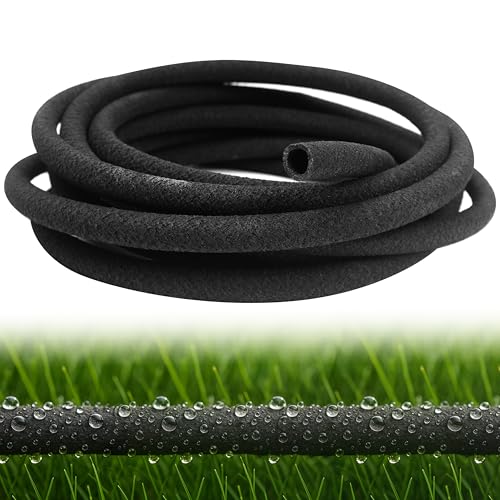
Specs: Features a 1/2" diameter and is 25ft long, providing adequate length to extend any existing watering system or drip supply.

【Even & Consistent Root Watering】Features micro-pore seepage technology that distributes water evenly along the entire hose, transforming spot watering into uniform line watering directly to plant roots. Unlike traditional drip irrigation systems with clog-prone emitters, this soaker hose creates a continuous moisture band for healthier, deeper-rooted plants
Proper Watering Techniques
Watering consistently is crucial. Irrigate your lettuce plants deeply and regularly to ensure even moisture in the soil. Aim to keep the soil consistently moist but not waterlogged.
- Frequency: Water every few days, especially during dry spells.
- Timing: Water in the early morning to reduce evaporation and promote strong growth.
- Method: Use drip irrigation or soaker hoses to minimize wetting the leaves, which can lead to disease.
These techniques help maintain cooler soil temperatures, reducing the likelihood of bolting.
Soil Management
Soil quality impacts bolting resistance. Follow these practices for enhanced soil health:
- Soil Composition: Use loamy, well-draining soil rich in organic matter. This supports healthy root systems.
- pH Levels: Maintain a soil pH of 6.0 to 7.0 for optimal nutrient absorption.
- Mulching: Apply organic mulch around plants to retain moisture and regulate soil temperature.
Regularly amending soil with compost or well-rotted manure can improve fertility and structure. These practices contribute to a more stable environment that helps deter bolting in your lettuce crops.
Conclusion
By taking the right steps you can significantly reduce the chances of bolting in your lettuce. Remember to choose varieties that are known for their resistance and pay attention to the timing of your planting and harvesting. Keeping an eye on temperature and light conditions will go a long way in creating the perfect environment for your lettuce.
Don’t forget about the importance of proper watering and soil management. With a little care and attention you can enjoy a bountiful harvest of crisp and delicious lettuce without the worry of it bolting. Happy gardening!
Frequently Asked Questions
What causes bolting in lettuce plants?
Bolting in lettuce is primarily caused by high temperatures and the plant’s genetic makeup. When daytime temperatures exceed the ideal range or light conditions are suboptimal, lettuce tends to flower prematurely, jeopardizing its harvest.
How can I prevent bolting in lettuce?
To prevent bolting, choose bolt-resistant varieties like ‘Buttercrunch,’ and plant during cooler seasons. Maintain daytime temperatures between 60°F and 70°F and provide 12 to 14 hours of indirect light for optimal growth.
What is the ideal temperature for growing lettuce?
The ideal temperature range for growing lettuce is between 60°F and 70°F. Staying within this range helps reduce the risk of bolting and encourages healthy, leafy growth.
How does soil temperature affect lettuce?
Soil temperature significantly impacts lettuce growth and bolting. Warmer soil can stimulate early flowering, while maintaining cooler soil conditions through mulching or shade helps prevent premature bolting.
What watering techniques can help prevent bolting?
Use deep and consistent irrigation, watering early in the morning. Drip irrigation methods reduce leaf wetness and promote healthy growth, ultimately mitigating the risk of bolting in lettuce plants.
How does light exposure influence lettuce growth?
Lettuce needs around 12 to 14 hours of indirect light daily. Excessive direct sunlight can stress the plants, leading to bolting, while proper light exposure supports healthy leaf production.
What soil practices help with bolting resistance?
Utilize well-draining soil rich in organic matter, maintain optimal pH levels, and apply mulch to retain moisture. Regularly amending with compost enhances soil fertility and creates a favorable environment for lettuce.
Why is it essential to monitor environmental conditions for lettuce?
Monitoring temperature and light conditions is crucial as these factors directly influence lettuce growth and the likelihood of bolting. Adjusting these conditions helps maintain healthy plants and ensures a successful harvest.
