

Ever wondered who’s been nibbling on your prized tomato plants? Picture this: you step into your garden, eager to pluck some ripe tomatoes, only to find leaves missing and stems chewed. Frustrating, isn’t it? In this article, you’ll discover which animals might be the culprits behind these garden mysteries.
Have pests or critters been feasting on your tomato plants without permission? You’re not alone. Understanding which animals have a taste for your beloved crops can help you protect your garden and ensure a bountiful harvest. Stay tuned to learn more about these sneaky plant predators and how to safeguard your tomato plants effectively.
Key Takeaways
- Recognize signs of animal feeding on tomato plants like chewed leaves, missing fruits, or footprints.
- Common tomato plant predators include deer, rabbits, groundhogs, and squirrels attracted to ripe fruits and tender leaves.
- Implement preventive measures such as fencing, repellents, and deterrents tailored to each animal to protect tomato plants.
- Use physical barriers like fences and underground wire mesh to deter animals from accessing tomato plants effectively.
- Incorporate natural repellents like predator urine granules or spicy sprays to create a scent barrier against plant-eating animals.
- Companion planting with marigolds or garlic can help repel pests from attacking tomato plants.
Understanding Which Animals Target Tomato Plants
Identifying the culprits behind your damaged tomato plants is crucial for safeguarding your harvest. Let’s delve into recognizing the signs of animal feeding and common characteristics of tomato plant predators.
Recommended Products

High Quality Material: These plant protection cage are made of metal material, the surface is designed with vinyl coating, protected from wind and rain, waterproof and rustproof, sturdy and durable, not easy to be damaged.it can be used for many years. Stable protection for your plants even in strong winds.

Complete Kit Includes Everything You Need: (6/18/30) Square Mesh Panels, (30/100/100) Reusable Zip Ties, (6/18/30) U-Shaped Ground Stakes, and (5/10/10) Plant Labels for Easy Organization.

Enough Quantity: you will receive 12 pics of square plant cages for garden, there will be 24 sheets of wire mesh plant protector panels, 12 pieces of ground stakes and 50 pieces of nylon cables and we will provide detailed instructions to help you build plant cages for outdoor plants.
Recognizing the Signs of Animal Feeding
When inspecting your tomato plants, watch out for telltale signs that animals have been snacking on them. Look for chewed leaves, missing fruits, or trampled foliage around the plant. Keep an eye out for droppings or footprints near the damaged areas as additional indicators of animal activity.
Common Characteristics of Tomato Plant Predators
Tomato plant predators often exhibit specific traits that can help you identify them. Some common culprits include squirrels, rabbits, deer, and birds like sparrows or crows. These animals are attracted to the ripe fruits and tender leaves of tomato plants. They may leave behind distinctive damage patterns such as neatly clipped leaves or partially eaten fruits.
By understanding these signs and characteristics, you’ll be better equipped to protect your tomato plants from potential threats. Stay vigilant and take proactive measures to deter these hungry visitors from feasting on your hard-earned produce.
Common Culprits: Animals That Eat Tomato Plants
If you’ve noticed damage to your tomato plants, it’s essential to identify the culprits behind these attacks. Here are some common animals known for eating tomato plants and ways to deal with them:
Deer
Deer can be a significant threat to your tomato plants, especially in rural areas. They are attracted to the tender leaves and fruits of tomatoes. To deter deer, consider installing fencing around your garden or using deer repellents like sprays or noise devices.
Rabbits
Rabbits are notorious for nibbling on young tomato plants and their fruits. You can protect your tomato plants from rabbits by placing a fence around the garden with fine mesh that extends underground to prevent burrowing. Additionally, applying natural rabbit repellents can help keep these pests at bay.
Groundhogs
Groundhogs, also known as woodchucks, enjoy feasting on various garden crops, including tomato plants. To safeguard your tomatoes from groundhog damage, install a sturdy fence buried at least 12 inches deep to deter digging. You can also try using commercial repellents or homemade deterrents like garlic and pepper sprays.
Squirrels
Squirrels are agile climbers that may target ripe tomatoes in your garden. Protect your tomato plants from squirrels by using physical barriers such as netting or cages. Another effective method is providing alternative food sources away from your tomatoes to distract squirrels from damaging your precious crops.
By recognizing these common predators of tomato plants and implementing preventive measures tailored to each animal’s behavior, you can safeguard your harvest and enjoy healthy tomatoes throughout the growing season.
Preventing Animal Damage to Tomato Plants
To safeguard your tomato plants from potential harm by animals, employing preventive measures is crucial. Below are effective strategies to protect your garden produce.
Recommended Products

Size: Deer netting size 7 feet x 100 feet; garden netting mesh size 3/4"; color: black; Easy to use accessories included: 10pcs installation nails & 50pcs cable ties
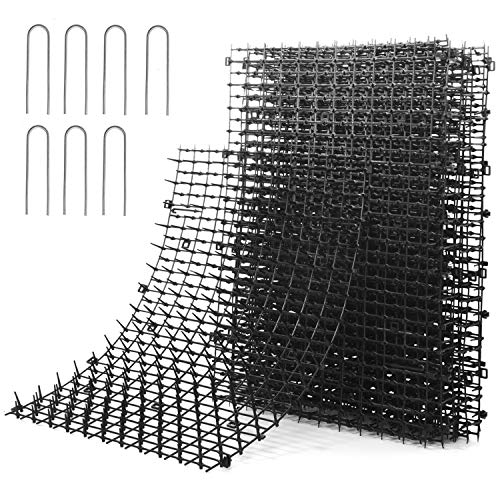
★SET OF 10 CAT SCAT MAT ---Humane plastic cat spike mat, compare with other expensive pet shock mats that are the perfect way to avoid critter & wildlife from digging & scratching. Perfect size 16" x 12" can cover a large area in your garden.

High Freedom of Installation: 15*metal plant protection mesh, 15*ground stakes, 100*plastic ties, 1*gloves. Full sets to complete a plant protector in combination and meet your expectation. You can combine 3 or more mesh, High degree of installation freedom, to provide sufficient plant growth space for large plants
Physical Barriers and Fences
Constructing physical barriers like fences around your tomato plants can deter animals such as deer, rabbits, groundhogs, and squirrels from accessing them. Here are some tips on using physical barriers effectively:
- Fencing: Install sturdy fences around the garden area to prevent larger animals like deer from reaching the tomato plants.
- Chicken Wire: Use chicken wire fencing with small openings to keep out smaller pests like rabbits and squirrels.
- Underground Barriers: Bury wire mesh or hardware cloth at least a foot deep around the garden perimeter to deter burrowing creatures like groundhogs.
Natural Repellents and Deterrents
Incorporating natural repellents and deterrents can help in deterring animals that might feed on your tomato plants. Consider these eco-friendly options:
- Predator Urine: Scatter predator urine granules around the garden to create a scent barrier that may deter plant-eating animals.
- Spicy Sprays: Create homemade sprays using ingredients like chili peppers or garlic mixed with water to spray on tomato plants as natural deterrents.
- Companion Planting: Grow plants like marigolds or garlic near tomatoes as they emit odors that repel certain pests.
By implementing these preventive methods, you can protect your beloved tomato plants from animal damage and ensure a bountiful harvest for yourself.
Conclusion
You’ve learned about the various animals that might feast on your precious tomato plants. From deer to rabbits, squirrels to groundhogs, these critters can wreak havoc in your garden. By recognizing the signs of their presence and taking proactive steps like installing fencing or using natural repellents, you can protect your tomato plants from becoming a tasty treat for these hungry visitors. Remember, prevention is key when it comes to safeguarding your garden. With the right strategies in place, you can enjoy a bountiful harvest without worrying about unwelcome guests munching on your tomatoes. Stay vigilant and put these tips into action to keep your tomato plants thriving all season long!
Frequently Asked Questions
What are some common tomato plant predators discussed in the article?
The article mentions squirrels, rabbits, deer, and birds as common tomato plant predators.
How can I deal with deer damaging my tomato plants?
Strategies to deter deer include installing fencing around the garden or using natural repellents like predator urine.
What preventive measures are suggested to protect tomato plants from animal damage?
Constructing physical barriers like fences, using natural repellents such as spicy sprays, and implementing companion planting techniques with marigolds or garlic can help safeguard tomato plants.
