

Ever wondered if you can use Epsom salt to boost your tomato plants’ growth? Picture this: You’re tending to your garden, eager to see those juicy red tomatoes thrive, but they seem a bit lackluster. That’s where the magic of Epsom salt comes in. In this article, we’ll explore whether sprinkling some Epsom salt around your tomato plants is the secret ingredient you’ve been missing.
Key Takeaways
- Epsom salt benefits: Enhances flowering and fruit production by aiding in chlorophyll formation and nutrient absorption, leading to healthier plants with increased yield.
- Application methods: Apply Epsom salt as a foliar spray or directly to the soil around tomato plants for optimal absorption and growth enhancement.
- Precautions: Avoid overuse of Epsom salt to prevent potential risks like soil dehydration and nutrient imbalances; monitor plants for signs of overdose.
- Alternative supplements: Consider using organic composts, fertilizers, or commercial tomato plant foods as alternatives to support tomato plant growth alongside proper care practices.
Benefits of Epsom Salt for Tomato Plants
Epsom salt can offer several advantages when used on tomato plants, enhancing their growth and overall health. Let’s explore the benefits in more detail:
Improved Flowering and Fruit Production
Adding Epsom salt to your tomato plants can lead to improved flowering and increased fruit production. The magnesium present in Epsom salt plays a crucial role in the photosynthesis process, aiding in the formation of chlorophyll. This, in turn, boosts the plant’s ability to produce flowers and develop fruits.
Enhanced Nutrient Absorption
By incorporating Epsom salt into your gardening routine, you help tomato plants absorb essential nutrients more effectively. Magnesium facilitates the uptake of vital nutrients like nitrogen, phosphorus, and sulfur from the soil. This enhanced absorption leads to healthier plants with robust growth and better resistance to diseases.
Utilizing Epsom salt as a supplement for your tomato plants can be a simple yet effective way to promote their well-being and maximize their yield.
How to Apply Epsom Salt to Tomato Plants
To ensure the effective application of Epsom salt on your tomato plants, follow these simple steps:
Recommended Products

PREMIUM QUALITY INGREDIENTS – Cz Garden Magnesium Sulfate is a water soluble, high purity fertilizer designed to boost the healthy development of all your indoor flowers, lawn, and garden vegetables.

PROMOTES HEALTHY GROWTH: Contains magnesium sulfate, a vital nutrient that helps plants produce chlorophyll and supports overall plant health, resulting in greener leaves and stronger growth.

Magnesium Support for Plants – Formulated to supply magnesium and sulfur for healthy plant growth.
Mixing with Water for Foliar Spray
For a foliar spray, mix 1 tablespoon of Epsom salt with 1 gallon of water. Stir well until the salt dissolves completely. Transfer the solution to a spray bottle and apply it directly to the leaves of your tomato plants. Ensure thorough coverage, spraying both the tops and bottoms of the leaves. Repeat this process every two weeks during the growing season to help improve nutrient absorption and boost plant health.
Direct Application to Soil
When applying Epsom salt directly to the soil around your tomato plants, sprinkle 1 tablespoon of Epsom salt per foot of plant height around the base of each plant. Gently work the salt into the soil surface without disturbing the roots. Water your plants thoroughly after application to help dissolve the Epsom salt and allow it to reach the root system effectively. This method can be repeated monthly throughout the growing season to support strong root development and overall plant growth.
By following these straightforward instructions for applying Epsom salt either as a foliar spray or directly to the soil, you can enhance the health and productivity of your tomato plants effectively.
Precautions When Using Epsom Salt
When considering the application of Epsom salt on your tomato plants, it’s essential to be aware of potential risks associated with its usage. Here are some precautions to keep in mind:
Risks of Overuse
Overusing Epsom salt can have adverse effects on your tomato plants. Excessive application may lead to a buildup of salts in the soil, causing dehydration and nutrient imbalances in the plant. It’s crucial to follow recommended guidelines for application frequency and dosage to prevent these issues.
Signs of Epsom Salt Overdose in Plants
To ensure the health of your tomato plants, it’s vital to watch out for signs of Epsom salt overdose. Symptoms such as leaf burn, yellowing leaves, or stunted growth could indicate an excess of salts in the soil. If you notice these signs, it’s advisable to discontinue the use of Epsom salt and flush the soil with water to restore balance.
By being mindful of these precautions and monitoring your plants for any negative effects, you can effectively harness the benefits of Epsom salt without risking harm to your tomato plants.
Alternative Nutritional Supplements for Tomatoes
When considering alternative options to enhance the growth of your tomato plants, you have a variety of nutritional supplements at your disposal. These alternatives can provide additional nutrients and support to ensure your tomatoes thrive.
Recommended Products

SHIPMENT CONTAINS: One 3-pound resealable bag of fragrance free epsom salt for relaxing baths and soaks
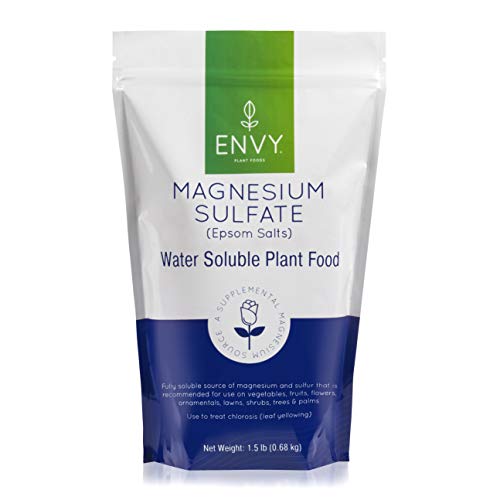
100% ORGANIC - we use only top-quality ingredients that allow for maximum solubility in warm or cold water, for optimal dilution ratios
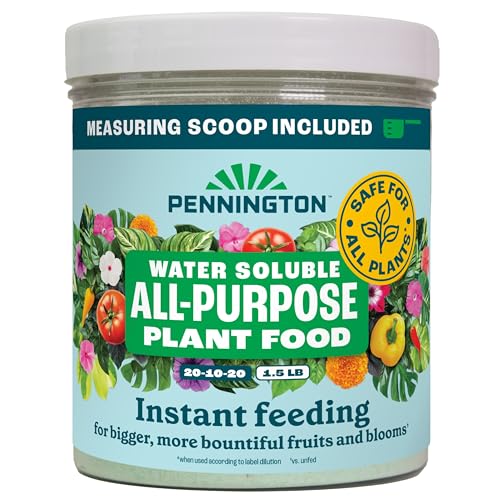
Water soluble plant food mix with a measuring scoop.
Organic Composts and Fertilizers
Organic composts and fertilizers are excellent choices for enriching the soil around your tomato plants naturally. They contain essential nutrients such as nitrogen, phosphorus, and potassium that are vital for plant growth. Examples include composted manure, fish emulsion, bone meal, and seaweed-based fertilizers. These organic options not only nourish the soil but also promote beneficial microbial activity, improving overall soil health.
Commercial Tomato Plant Foods
Commercial tomato plant foods are specially formulated to meet the specific nutritional needs of tomato plants at different stages of growth. These products often contain a balanced mix of macro and micronutrients tailored to promote flowering, fruit development, and overall plant vigor. Brands like Miracle-Gro Tomato Plant Food or Jobe’s Organics Tomato Fertilizer offer convenient solutions for providing targeted nutrition to your tomato plants without the need for complex mixing or preparation.
By incorporating these alternative nutritional supplements into your gardening routine alongside proper watering and sunlight exposure, you can help your tomato plants reach their full potential in terms of yield and health. Experiment with different options to find what works best for your specific growing conditions and enjoy a bountiful harvest of delicious homegrown tomatoes.
Conclusion
Enhancing your tomato plants with Epsom salt can be beneficial, but remember to use it in moderation to avoid potential negative effects. Consider exploring other nutrient-rich options like organic composts and fertilizers to support your tomatoes’ growth and overall health. By diversifying your plant care routine and incorporating different supplements, you can ensure a bountiful harvest of delicious homegrown tomatoes. Happy gardening!
Frequently Asked Questions
What are the benefits of using Epsom salt for tomato plants?
Epsom salt can enhance tomato plant growth by improving flowering, fruit production, and overall health due to its magnesium content.
How should I apply Epsom salt to my tomato plants?
Dissolve 1 tablespoon of Epsom salt in a gallon of water and apply it to the base of each plant every two weeks during the growing season.
Are there any risks associated with using Epsom salt on tomatoes?
Overuse of Epsom salt can lead to magnesium buildup in the soil, causing nutrient imbalances and potential harm to the plants.
What are alternative nutritional supplements for tomatoes?
Organic composts, fertilizers, and commercial plant foods provide essential nutrients and support for tomato plant growth.
How can I optimize tomato plant yield and health?
Incorporate alternative nutritional supplements alongside proper care practices to ensure optimal yield and health for your tomato plants.
