

Ever wondered what to do with all that shredded paper lying around? Picture this: you’re staring at a pile of paper scraps, contemplating their fate. What if I told you that those very shreds could be the secret to transforming your garden into a thriving oasis? Intrigued?
Imagine saying goodbye to weeds while giving your plants a nutrient-rich boost—all thanks to something as simple as shredded paper. Curious about how this humble material can work wonders in your garden? You’re in for a pleasant surprise.
Key Takeaways
- Composting with Shredded Paper: Enhances garden soil by creating nutrient-rich compost through the carbon balance it provides.
- Mulching with Shredded Paper: Acts as a protective layer, retaining moisture, suppressing weeds, and improving soil structure as it decomposes over time.
- Pest Control with Shredded Paper: Offers an eco-friendly solution to deter pests like slugs and snails without harmful chemicals.
- Preparing Shredded Paper for Garden Use: Choose non-glossy and non-colored paper; employ hand-tearing or shredder machine techniques for efficient use in composting or mulching.
- Best Practices for Shredded Paper in Gardening: Effective application techniques include using shredded paper as mulch or mixing it into compost piles to promote soil health sustainably.
- Environmental Impact of Using Shredded Paper as Mulch: Contributes to recycling efforts, waste reduction, and a circular economy by repurposing paper waste while benefiting the garden ecosystem.
Benefits of Using Shredded Paper in the Garden
Recommended Products

Shredded rubber mulch looks like real wood mulch
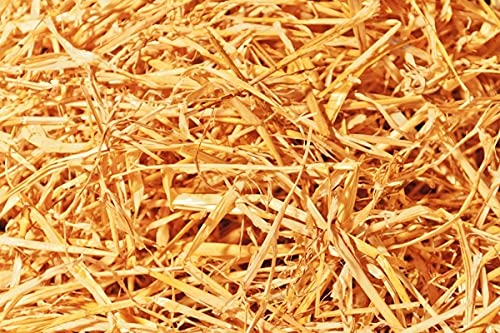
Premium 100% All Natural Wheat Straw

BIODEGRADABLE HEAVY-DUTY PAPER: Crafted from 100% natural, unbleached kraft paper, this thickened gardening layer offers durable yet fully biodegradable soil protection. The reinforced cellulose fibers create a robust barrier against wind and debris during garden bed preparation, while maintaining breathability for natural soil respiration. Over time, it decomposes seamlessly into the earth, enriching soil with organic matter.
Composting with Shredded Paper
Composting with shredded paper is a sustainable way to enrich your garden soil. It aids in creating nutrient-rich compost that promotes plant growth. The carbon content in shredded paper balances the nitrogen-rich kitchen scraps, grass clippings, and other organic materials typically found in compost piles. This balance is crucial for successful composting as it helps maintain the right conditions for beneficial microorganisms to thrive, breaking down the materials into valuable humus.
Mulching with Shredded Paper
Mulching with shredded paper offers multiple benefits for your garden. It acts as a protective layer that retains moisture, suppresses weed growth, and regulates soil temperature. When used as mulch around plants, shredded paper helps prevent moisture evaporation from the soil, reducing the frequency of watering needed for your garden. Additionally, it decomposes over time, adding organic matter to the soil and improving its structure.
Pest Control with Shredded Paper
Using shredded paper for pest control can be an eco-friendly solution in your garden. Certain pests are deterred by the texture and scent of shredded paper when spread around plants or as a barrier in raised beds. For example, slugs and snails may avoid crossing paths covered with shredded paper due to its dry texture that they find unfavorable for movement. This natural method can help protect your plants without resorting to harmful chemicals.
By incorporating shredded paper into your gardening practices through composting, mulching, and pest control methods, you not only reduce waste but also enhance the health and productivity of your garden ecosystem sustainably.
How to Prepare Shredded Paper for Garden Use
Selecting the Right Paper
When choosing paper for shredding in your garden, opt for non-glossy and non-colored paper. Newspaper, cardboard, and office paper are excellent choices as they decompose well and do not introduce harmful chemicals into the soil. Avoid using glossy magazines or papers with colored ink as they may contain toxins that can be detrimental to your plants.
Shredding Techniques
To prepare shredded paper effectively for your garden, follow these simple techniques:
- Hand-Tearing: Tear the paper into small pieces by hand. This method works well for smaller quantities of paper and is a quick way to shred it.
- Shredder Machine: Utilize a shredder machine if you have larger volumes of paper to process. This will ensure uniform shredding and save you time and effort.
- Soaking: For faster decomposition, soak the shredded paper in water before adding it to your compost or using it as mulch. This helps break down the paper more quickly, allowing nutrients to be released into the soil faster.
By selecting the right type of paper and employing suitable shredding techniques, you can efficiently prepare shredded paper for use in your garden, contributing to a healthier garden ecosystem while reducing waste sustainably.
Best Practices for Shredded Paper in Gardening
Recommended Products

[MULTIPURPOSE LANDSCAPING MULCH]: Ideal mulch for landscaping, garden beds, flower borders, trees, shrubs, and pathways. Designed for both decorative and functional garden use.

All-Natural & Clean Mulch —Sustainably sourced 100% non-GMO wheat straw is naturally filtered to remove dust, dirt, and as many seeds as possible for a clean, pure mulch.

NATURAL GARDEN COVER: Creates a clean, polished garden surface while helping minimize weed growth naturally. This organic mulch also supports healthy soil structure and nutrient balance for thriving plants.
Application Techniques
When incorporating shredded paper into your garden, there are several effective application techniques to consider. One common method is using shredded paper as mulch around plants. This helps retain moisture, suppress weeds, and improve soil health by gradually decomposing and adding organic matter.
Another useful technique is mixing shredded paper into compost piles. The carbon-rich nature of the paper balances the nitrogen-rich materials like kitchen scraps or grass clippings, promoting proper decomposition and creating nutrient-rich compost for your garden.
Maintaining Soil Health
To ensure optimal soil health when using shredded paper in gardening, it’s essential to follow a few key practices. Firstly, avoid using glossy or colored papers that may contain harmful chemicals detrimental to plant growth.
Regularly monitor the moisture levels in your garden beds when using shredded paper. While the paper can help retain moisture, excessive water retention could lead to issues like root rot. Adjusting the amount of shredded paper based on your specific soil conditions can help maintain a healthy balance.
By following these application techniques and maintaining soil health practices, you can effectively leverage shredded paper to enhance your garden while promoting sustainability and reducing waste.
Environmental Impact of Using Shredded Paper as Mulch
Recycling and Waste Reduction
When you use shredded paper as mulch in your garden, you are not only benefiting your plants but also contributing to recycling efforts and waste reduction. By repurposing shredded paper that would typically end up in landfills, you are helping reduce the environmental impact of paper waste. This sustainable practice aligns with eco-friendly principles by giving new life to materials that would otherwise take up space and contribute to pollution.
To put this into perspective, imagine a scenario where every gardener decided to utilize shredded paper as mulch instead of discarding it. The collective effort could lead to a significant decrease in the amount of paper waste being generated, thereby lessening the strain on natural resources used in producing new paper products. By incorporating shredded paper into your gardening routine, you play a part in promoting a more circular economy and reducing the carbon footprint associated with traditional disposal methods.
Potential Downsides to Consider
While using shredded paper as mulch offers numerous benefits, there are some potential downsides to be mindful of when implementing this practice in your garden. One crucial aspect to consider is the ink content present in certain types of printed paper. Ink may contain chemicals or heavy metals that can leach into the soil over time, impacting plant growth and potentially harming beneficial soil organisms.
Moreover, if the shredded paper is not adequately decomposed before planting sensitive crops or seeds directly into it, nitrogen depletion could occur. Microorganisms breaking down the paper require nitrogen for their metabolic processes, which may compete with plants for this essential nutrient if not managed properly. To mitigate this risk, ensure thorough decomposition of the shredded paper before using it as mulch around delicate plants or incorporate additional nitrogen sources like compost or organic fertilizers.
By being aware of these potential downsides and taking appropriate precautions such as using non-toxic ink papers and allowing proper decomposition time, you can maximize the benefits of using shredded paper while minimizing any adverse effects on your garden ecosystem.
Conclusion
You’ve now discovered the numerous benefits of incorporating shredded paper into your gardening routine. Whether you’re mulching, composting, or controlling pests, shredded paper can be a valuable addition to your garden practices. Remember to opt for non-glossy and non-colored paper types to keep harmful chemicals at bay. By following simple techniques like soaking the shredded paper before use and being mindful of potential downsides like ink content, you can harness the power of shredded paper while promoting sustainability in your garden. Embrace this eco-friendly method not only for its positive impact on soil health but also for its contribution to recycling and waste reduction efforts. With a little care and attention, shredded paper can be a game-changer in enhancing your garden’s well-being.
Frequently Asked Questions
Q: What are the benefits of using shredded paper in gardening?
A: Shredded paper in gardening offers advantages like composting material, mulching for weed control, and pest deterrence. Opt for non-glossy papers like newspaper or cardboard to avoid harmful chemicals.
Q: How should I prepare shredded paper for gardening use?
A: Prepare shredded paper by hand-tearing or using a shredder machine. Soaking it in water before application can speed up decomposition and nutrient release.
Q: How can shredded paper be used in the garden?
A: Use shredded paper as mulch to retain moisture and suppress weeds. Incorporate it into compost piles to boost soil health naturally.
Q: What are the environmental benefits of using shredded paper in gardening?
A: Utilizing shredded paper as mulch promotes recycling, waste reduction, and contributes to a circular economy with a reduced carbon footprint.
Q: Are there any downsides to using shredded paper in the garden?
A: Downsides may include ink content and nitrogen depletion. To mitigate risks, opt for non-toxic ink papers and ensure proper decomposition for minimal impact on the garden ecosystem.
