


I’ve noticed that backyard gardens often end up feeling scattered when beds are just placed wherever there’s space.
Over time the layout starts to matter more than I expected because pathways and edges shape how easily I can reach everything.
Raised beds help with that.
When I think about adding structure I usually test one or two new approaches in a corner first to see how they hold up through a season.
That kind of trial shows which ideas actually keep the garden organized instead of just looking neat on paper.
Labeled Raised Beds Along A Brick Path

Wooden raised beds stay easier to manage when each one has a clear label on a simple stake. It cuts down on confusion once the plants grow in and start to look similar.
This works best in smaller backyards where beds run along a central path. Keep the labels short and replace them each season so they stay readable.
Raised Beds Set In Gravel Keep The Garden Organized
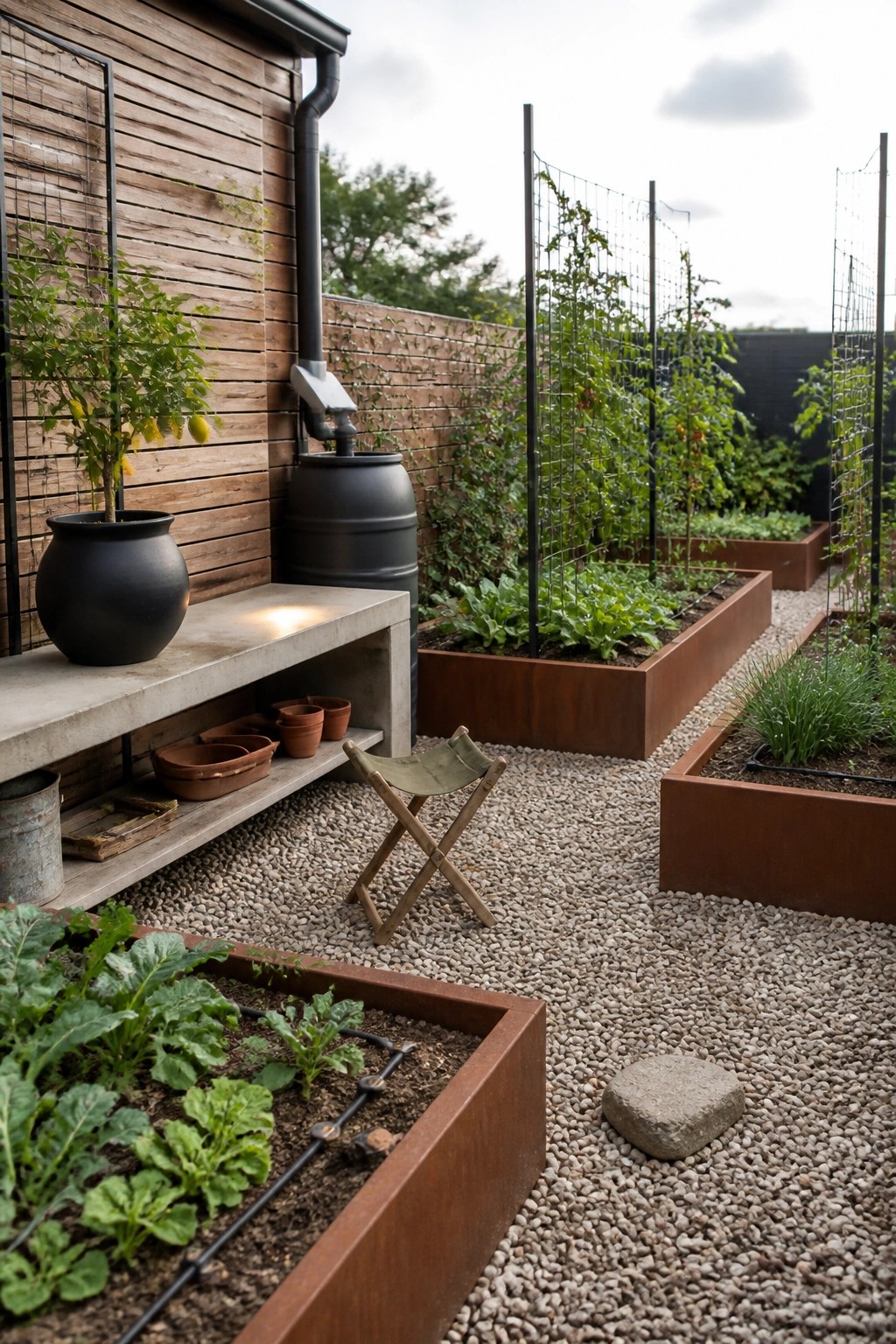
Raised beds work especially well when you surround them with gravel instead of grass or bare soil. The gravel creates firm paths that stay dry and clean, so you can walk between beds without tracking mud or compacting soil. It also gives the whole garden a tidy frame that makes the beds look more intentional.
This setup suits small to medium backyards where you want maximum growing space without a lot of lawn to mow. Keep the gravel layer thick enough to suppress weeds and add a few stepping stones in high-traffic spots so the surface stays comfortable underfoot.
Brick Edging For Raised Beds

Brick edging around raised beds helps keep the whole garden looking neat and organized. The solid border stops soil from spilling onto the paths and makes it easier to tell where one planting area ends and another begins.
This works especially well in smaller backyards or gardens that use gravel paths. It holds up in most climates and pairs nicely with both herbs and small trees planted in the beds.
Tiered Raised Beds Organize a Sloped Yard
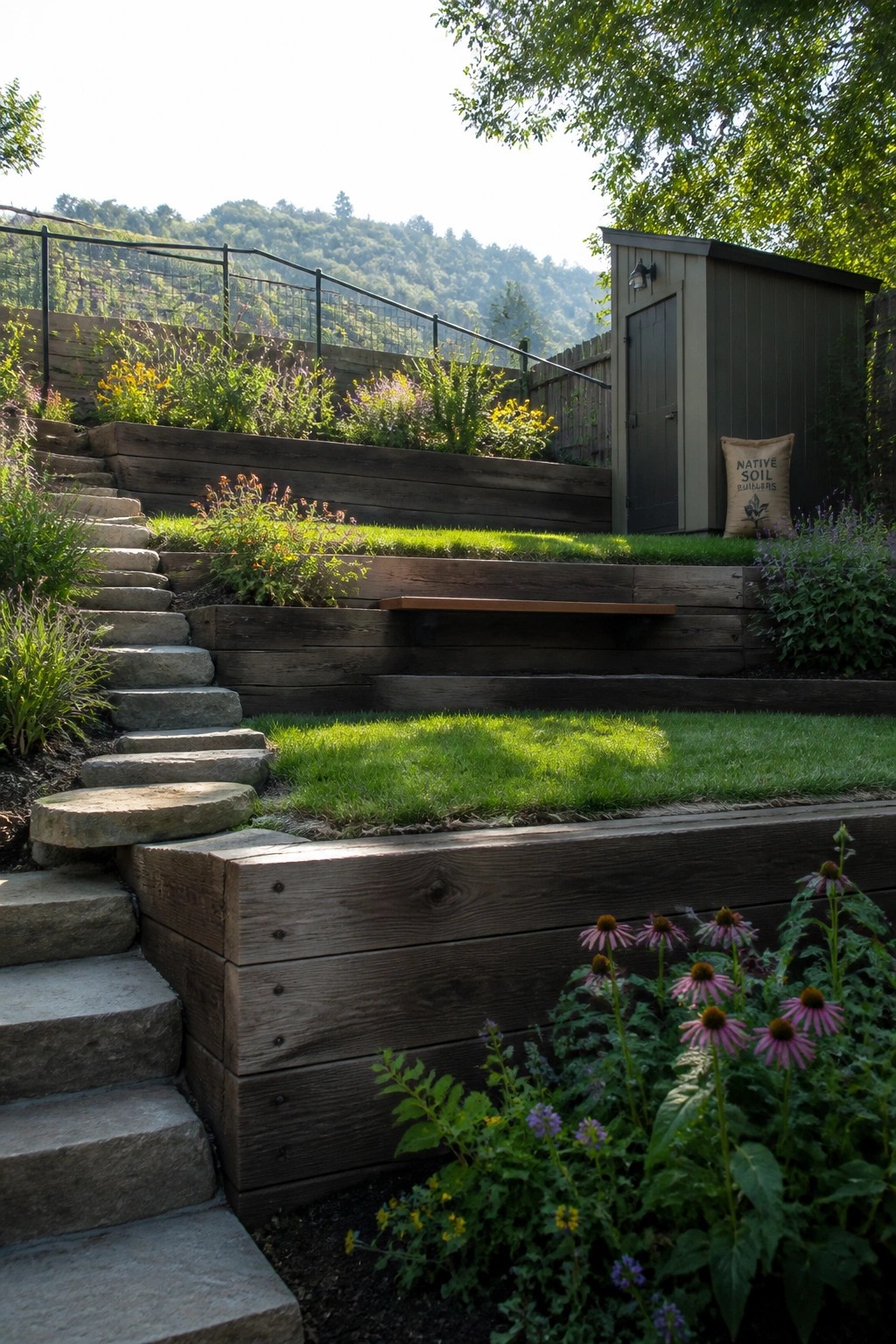
Tiered raised beds turn a slope into usable garden space without needing a lot of extra grading. The stacked wood keeps soil in place at each level and creates clear planting zones that stay neat even when the ground drops away.
This approach works best on yards with a steady incline where a single flat bed would feel cramped or unstable. Follow the slope with the tiers and add simple steps so you can reach every level without fighting the hill.
Add a Wooden Path Between Raised Beds

A wooden path running between raised beds makes the garden easier to navigate and keeps the whole layout looking intentional. It gives you a dry, stable surface to walk on while you tend plants, and it stops you from stepping on soil or edging plants by accident.
This setup works best in backyards where space is limited or the ground is uneven. Use pressure-treated lumber for the path and keep it at least two feet wide so a wheelbarrow can pass through without trouble.
Metal Containers Create Easy Raised Garden Beds

Many gardeners turn to large metal tubs or stock tanks when they want raised beds without building from wood. These containers keep soil contained, warm up quickly in spring, and last for years with very little upkeep.
They suit small to medium backyards best, especially where space is tight or the soil is poor. Drill a few drainage holes in the bottom before filling them, and group plants by type so harvesting stays simple.
Add A Chalkboard For Planting Notes

A chalkboard placed right by the beds makes it easy to track what each crop needs without digging through notes or apps. Gardeners often use it to list simple reminders like trellising peas or mulching garlic so nothing gets forgotten during busy weeks.
Mount the board on a shed wall or fence post near your main beds and keep a piece of chalk handy. It works best in smaller gardens where you walk past the same spot often and can update the list as seasons change.
Raised Beds With Built In Seating

Concrete raised beds give you a solid structure that holds up over time without much fuss. Adding a simple wood bench along the front turns the bed into a spot where you can sit and work without bringing in extra furniture.
This approach works best in smaller yards that need to serve more than one purpose. Keep the bench at a comfortable height and pick a wood that can handle sun and rain so it stays useful for years.
Woven Branch Borders For Raised Beds

Raised beds edged with woven branches keep a garden looking organized while still feeling natural. The flexible twigs create soft curves that follow the shape of the beds and help separate different plantings without hard lines.
This approach works best in smaller yards or informal gardens where you want structure but not a rigid look. Use flexible branches from your own pruning or find pre-made panels, and check that the weave is tight enough to hold soil in place over time.
Raised Stone Bases For Potted Plants
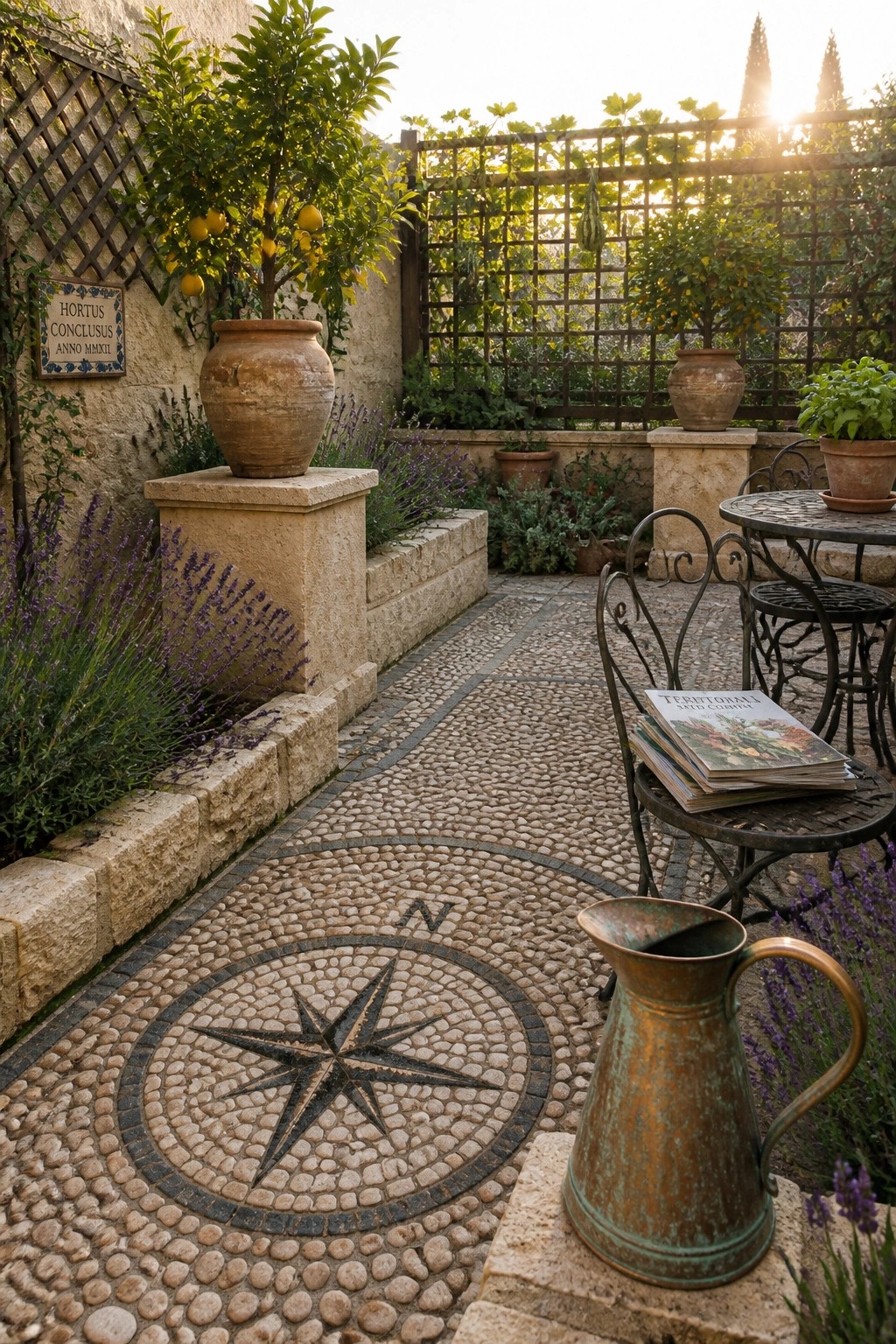
Stone platforms give potted plants a clear spot and lift them above the ground. This keeps the garden looking organized while making watering and care easier. The low walls around the beds add the same kind of structure so plants stay in their own zones instead of spilling onto paths.
This approach works well in small courtyards or along walkways where space needs to stay tidy. It suits homes with stone or stucco walls and pairs nicely with herbs or citrus in large containers. Just make sure the platforms have good drainage so water does not pool on the stone.
Add A Shelf For Seedlings Next To Raised Beds
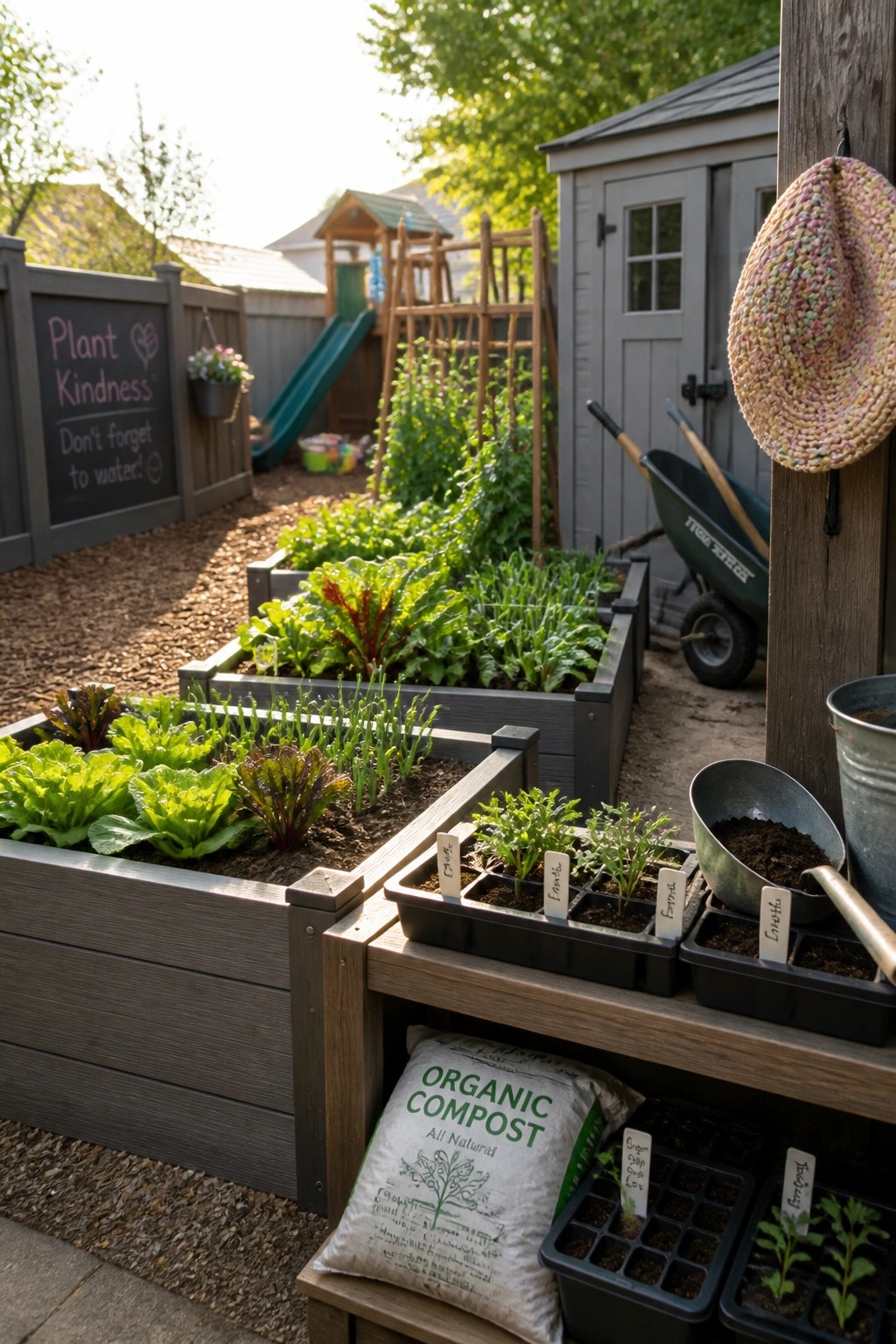
One simple way to keep a backyard garden organized is to add a basic shelf right beside the raised beds. This gives you a steady place to start seedlings in trays and store a bag of compost without leaving things scattered on the ground.
The setup works best in smaller yards where every bit of space counts. Build the shelf from the same wood as the beds so it blends in, and keep only what you need for the current season on it.
Add Simple Plant Labels to Raised Beds
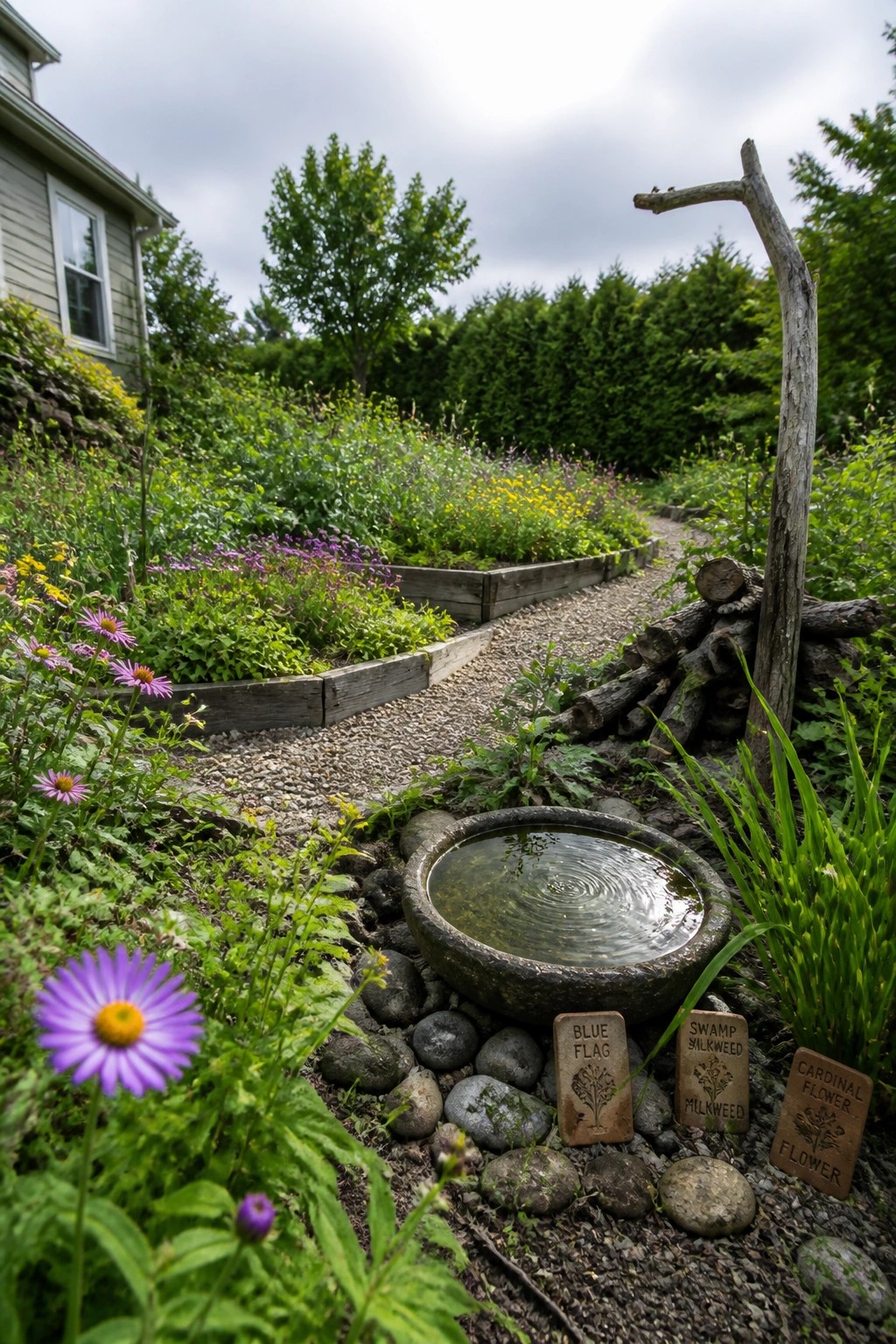
Raised beds already help keep plants separated and easier to manage. Adding small wooden signs takes that one step further by showing exactly what is growing in each spot.
Use labels made from weatherproof material and place them at the front edge of the bed. This setup works well in any backyard garden where you grow a mix of flowers or vegetables and want to avoid guessing later in the season.
Wheeled Raised Beds for Easy Rearrangement
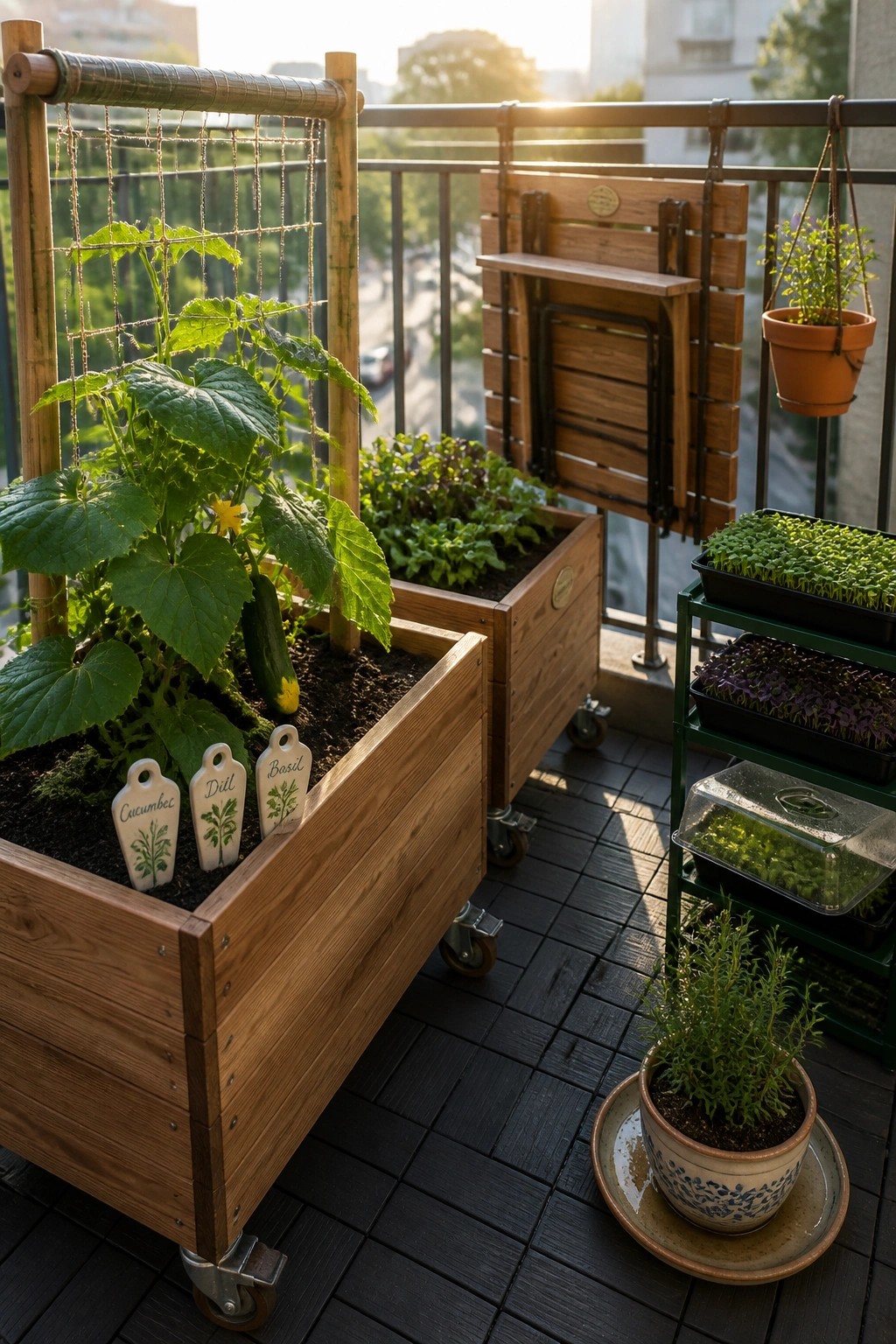
Raised beds mounted on casters give you the option to move them whenever the light shifts or you need to clear space. This setup works well on balconies and patios where fixed beds would limit how the area can be used from one season to the next.
They suit smaller outdoor spaces or anyone who wants to adjust the layout without digging. Just check that the wheels lock firmly once the beds are in place so they do not shift on their own.
Raised Beds Made From Brick

Brick raised beds give a garden a solid, lasting frame that wood often lacks. They hold their shape over time and create clean lines that make the whole space feel more organized, even when plants are growing wild.
They work best in yards where you want something permanent that can also double as a ledge for tools or pots. Just make sure the brick matches the style of your house or walls so the beds blend in rather than stand out as an afterthought.
Stacked Concrete Blocks for Raised Beds

Stacked concrete blocks create a simple way to build raised beds that fit into smaller outdoor spaces. The tiers give you more planting room without spreading out across the ground, and the material holds up well in any weather.
This approach works best on balconies or patios where floor space is tight. Set the blocks against a wall and keep tools close by so everything stays organized and easy to reach during daily care.
Raised Beds Along A Gravel Path
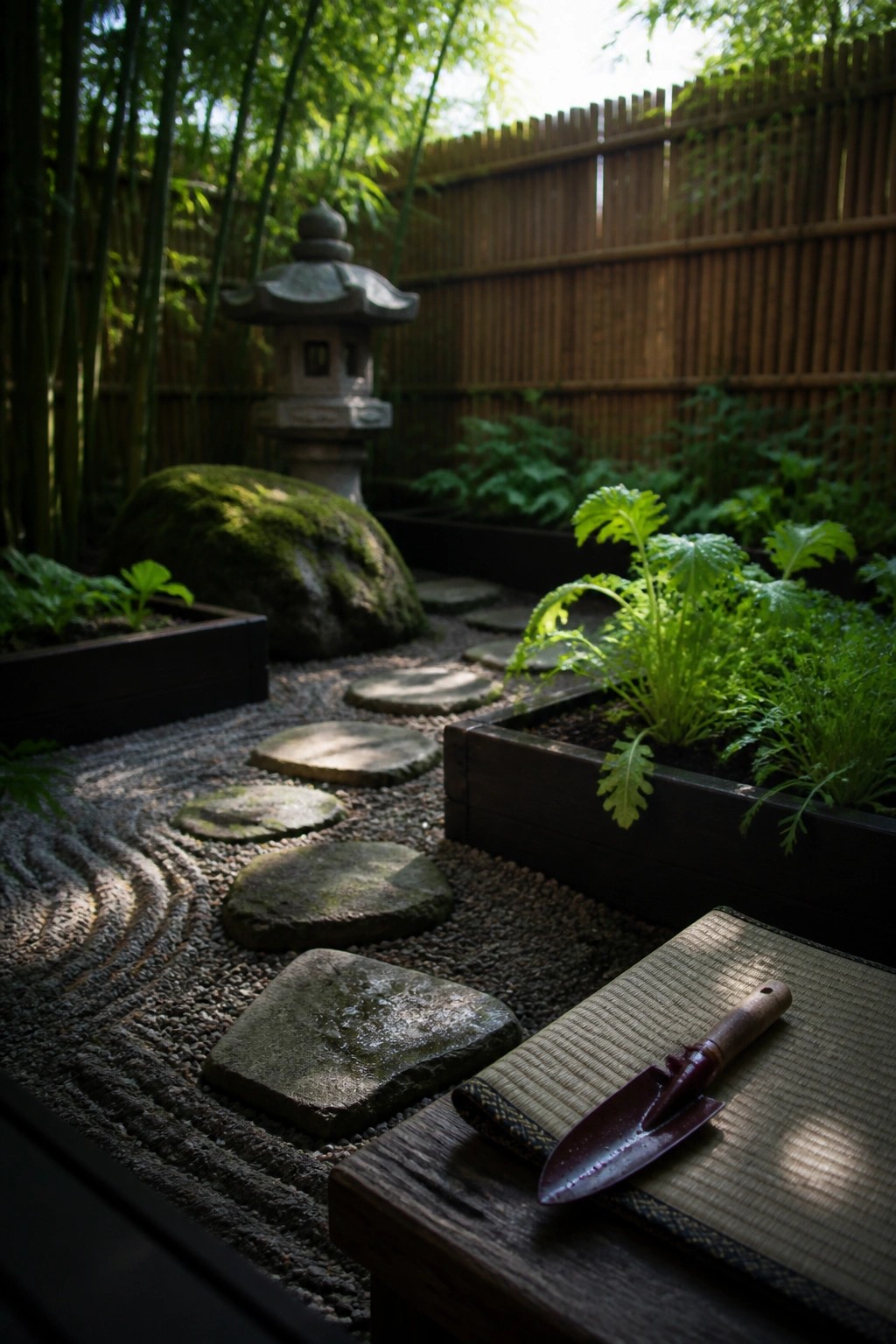
Placing raised beds right next to a gravel path keeps the garden neat and easy to work in. The beds hold the soil in place while the path gives you a clear way to walk through without compacting the ground or reaching awkwardly over plants.
This works best in smaller backyards where you want structure without losing open space. Wooden beds fit well here because they blend with the gravel and let you control the soil mix in each section.
Line Up Raised Beds Along a Gravel Path
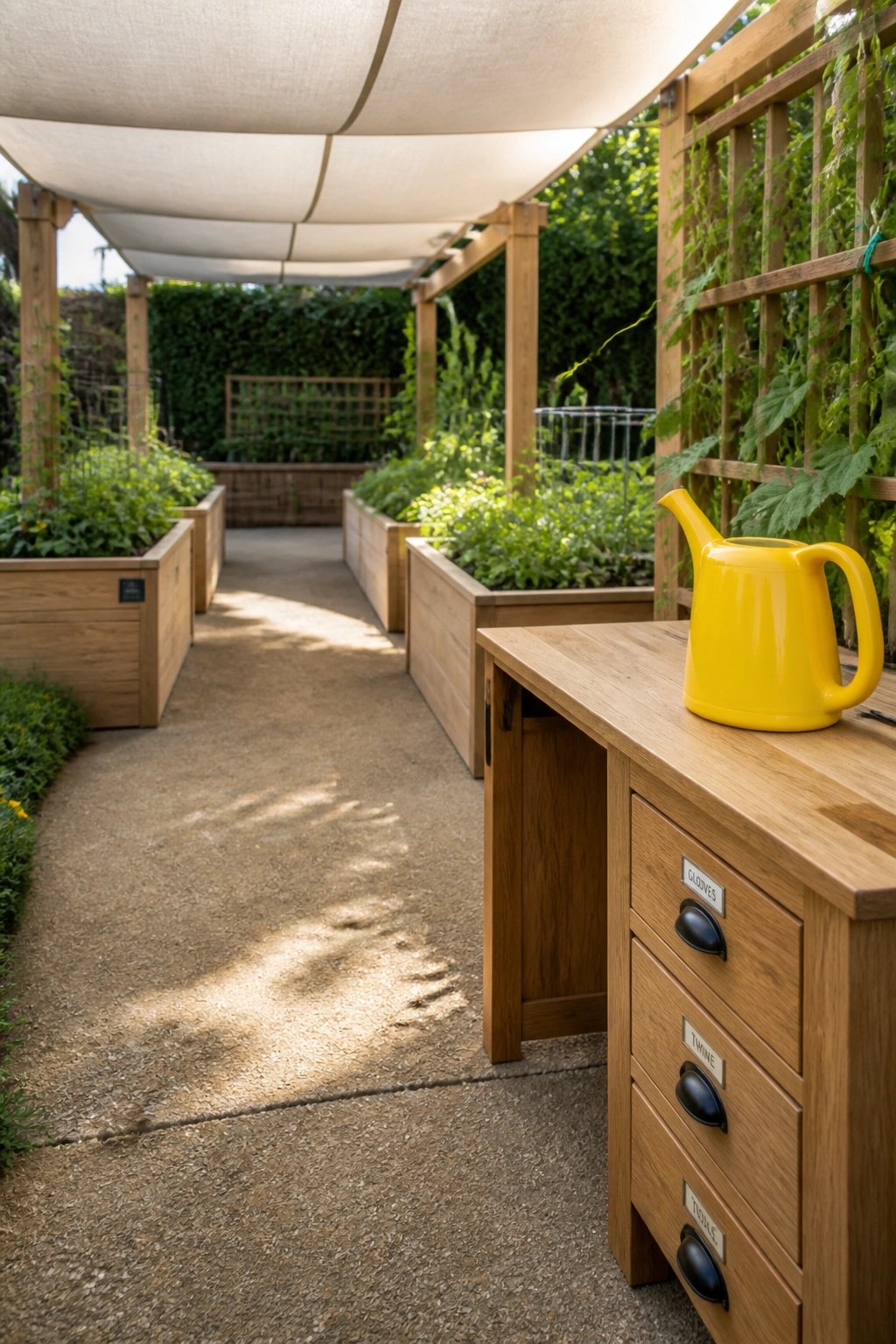
Raised beds work best when they have clear access on all sides. Placing them in straight rows with a simple path between them keeps the whole garden feeling open and easy to maintain. You can reach every plant without stepping on soil, and the layout stays neat even as things grow in.
This setup suits a long narrow yard or any space where you want to keep things practical. A gravel path drains well and gives you a solid place to stand while working. Just make sure the beds are not too wide so you can reach the middle without strain.
Raised Beds Built With Stacked Stone

Stacked stone makes a solid choice for raised beds because it holds soil well and creates clean edges without looking too formal. The stone also blends into the landscape over time and gives plants a bit more protection from foot traffic along paths.
This setup suits yards with uneven ground or those that need defined planting zones. Start with a stable base and keep the wall height low enough for easy reach when you are tending the beds.
Rotate Crops Through Your Raised Beds

A rotation plan keeps the soil from wearing out and cuts down on pests that settle in when the same plants stay in one spot year after year. Putting the schedule right on the bed itself makes it simple to follow without digging through notes each spring.
This approach suits any yard that has several raised beds and a mix of vegetables. Just choose a four-year cycle that matches what you grow most and update the labels when you replant.
Raised Beds For Drought Tolerant Plants
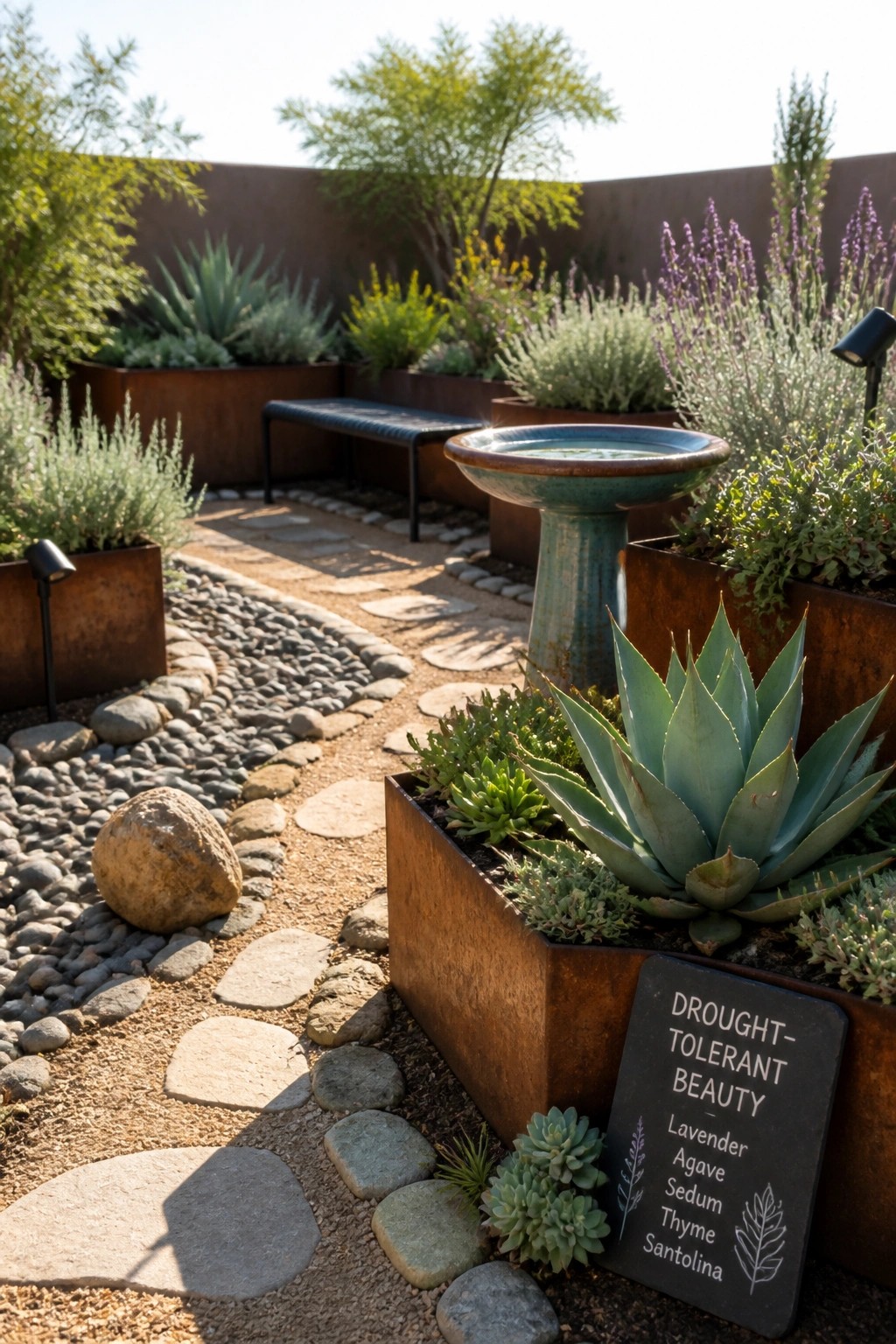
Raised beds made of metal work well when you want a garden that stays neat with less water. They drain quickly and warm the soil, which helps plants like agave and lavender thrive without extra fuss.
These beds fit best in drier yards where regular watering is not practical. Keep the layout simple with a path between them so you can reach every plant easily and add new ones as needed.
Add Protective Covers To Raised Beds

Raised beds last longer and stay more productive when you add covers. The glass tops shield young plants from frost and heavy rain while still letting in light.
This works well in cooler climates where you want to stretch the season. Choose covers that lift or slide open so you can reach the soil easily and vent on warmer days.
Mix Materials In Your Raised Beds

Raised beds gain a lot when you combine materials instead of using just one type. Metal gives a clean, lasting edge while brick or concrete adds weight and a more settled look that fits older gardens.
This works best in medium to large backyards where you want clear zones without building full walls. Keep the bed heights close so the paths between them stay comfortable to walk and weed from either side.
Frequently Asked Questions
Q: How far apart should I place the beds so I can walk between them easily?
A: Leave at least two feet between each bed. That gives you room to kneel or wheel a cart through without stepping on the soil. It keeps the whole setup feeling open too.
Q: What if my backyard slopes a bit?
A: Level the ground under each bed before you build. You can add a simple frame or dig slightly on the high side. This stops water from pooling on one end.
Q: Can I start small with just a couple of these beds?
A: Pick two ideas that match your yard size. Try them this year before committing to more.
