

Have you ever wondered if mixing lettuce with salad dressing changes anything more than just flavor? It’s a common sight at dinner tables, but there’s more to this simple act than meets the eye. You might think it’s just a toss of greens and sauce, but could there be a scientific twist behind it?
Key Takeaways
- Mixing lettuce and salad dressing primarily results in a physical change, not a chemical change, as the lettuce’s chemical structure remains unchanged.
- Chemical changes involve transformations that create new substances, while physical changes maintain the original substances’ characteristics.
- Indicators of a chemical change include changes in color, gas evolution, precipitation, and temperature change, none of which occur when mixing lettuce with dressing.
- The water content in lettuce helps distribute flavors without altering its properties, emphasizing the physical interaction during mixing.
- Salad dressing, composed of oils and acids, enhances the flavor and texture of the salad, demonstrating how ingredients can interact without undergoing a chemical transformation.
- Understanding the distinction between physical and chemical changes deepens your appreciation of everyday food processes and the science behind them.
Understanding Chemical Changes
Chemical changes involve a transformation that alters the chemical structure of a substance. When you mix lettuce and salad dressing, it’s essential to determine if this action results in a chemical change or simply a physical one.
Definition of Chemical Changes
Chemical changes occur when substances react to form new substances. Indicators of a chemical change include:
- Change in color
- Evolution of gas
- Formation of a precipitate
- Change in temperature
Mixing Lettuce and Salad Dressing
When you combine lettuce with salad dressing, you primarily observe a physical change rather than a chemical one. The dressing coats the lettuce without altering its chemical structure.
Examples of Chemical and Physical Changes
- Chemical Change: Baking a cake involves mixing ingredients that undergo a chemical reaction, resulting in a new product.
- Physical Change: Crushing ice changes its shape but not its chemical makeup.
Why It Matters
Understanding the distinction between physical and chemical changes enhances your knowledge of everyday processes. Recognizing that mixing lettuce and dressing is a physical change helps you appreciate the nature of food interactions without misconceptions.
Practical Applications
You can perform simple experiments to observe chemical changes, such as:
- Mixing vinegar and baking soda.
- Observing iron rusting.
These activities reinforce the concept of chemical change and highlight its characteristics in a tangible way.
The Science Behind Mixing Ingredients
Mixing lettuce with salad dressing offers more than just a tasty meal. It highlights fascinating scientific principles at play.
The Role of Lettuce
Lettuce primarily serves as a base for salads. It contains water—about 95%—which contributes to its crisp texture and refreshing quality. When you mix lettuce with dressing, the water in the lettuce helps distribute the flavors more evenly. This interaction doesn’t change the lettuce chemically; instead, it remains the same leafy green vegetable.
The Role of Salad Dressing
Salad dressing plays a crucial role in flavor enhancement. Dressings often consist of oils, acids, and seasonings that add taste and moistness to your greens. When you combine dressing with lettuce, the oil coats the lettuce leaves, providing added flavor without altering the lettuce’s chemical composition. For example, a vinaigrette with vinegar and olive oil emulsifies when mixed, creating a blend that evenly covers the salad. This coating process, while transforming the salad’s appearance and taste, remains a physical change rather than a chemical one.
Analyzing the Mixing Process
Mixing lettuce and salad dressing involves interesting processes that highlight differences between physical and chemical changes.
Recommended Products


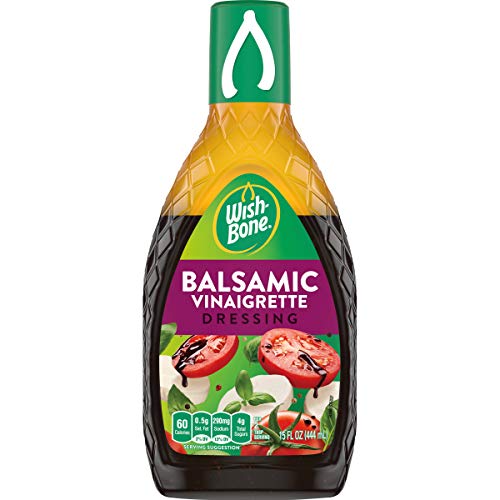
One 15 fl oz bottle of Wish-Bone Balsamic Vinaigrette Dressing
Physical Changes vs. Chemical Changes
Understanding the distinction between physical and chemical changes is key. Mixing lettuce with dressing results in a physical change. The dressing coats the lettuce without altering its chemical composition. You can recognize a physical change by observing that the individual components retain their original characteristics. For instance, lettuce remains lettuce, and salad dressing remains dressing. In contrast, a chemical change transforms substances into something new, like when you bake a cake. The ingredients undergo reactions, creating a different structure and flavor profile.
Observations During Mixing
Several observations occur during the mixing process that emphasize the nature of the change.
- Appearance: The salad dressing changes the color and sheen of the lettuce leaves. For example, a green salad may take on a glossy look from olive oil or a vibrant hue from vinaigrette.
- Texture: The dressing alters the texture of the lettuce, making it feel different in your mouth. The coating adds moisture, making the leaves more palatable.
- Flavor Distribution: The oils and acids in the dressing help distribute flavor evenly. As you mix, you’ll notice that all the leaves pick up the dressing, enhancing each bite.
Observing these aspects makes it clear that the mixing of lettuce and salad dressing constitutes a physical change rather than a chemical one.
Conclusion
Mixing lettuce and salad dressing may seem like a simple task but it opens the door to understanding the science behind our food. While it enhances flavor and changes the salad’s appearance it’s important to remember that this act results in a physical change rather than a chemical one.
Your lettuce stays the same at its core even as it gets a delicious makeover. So next time you toss those greens with your favorite dressing take a moment to appreciate the blend of flavors and textures while knowing you’re not altering the very essence of your salad. Enjoy your culinary creations with a newfound perspective!
Frequently Asked Questions
What happens when you mix lettuce with salad dressing?
Mixing lettuce with salad dressing results in a physical change. The dressing coats the lettuce leaves, transforming the salad’s appearance and flavor without altering the lettuce’s chemical structure.
Why is mixing lettuce and dressing considered a physical change?
This process is categorized as a physical change because the individual components, lettuce and dressing, retain their original properties. There’s no chemical reaction occurring that would change their chemical makeup.
What is the significance of lettuce’s water content in salads?
Lettuce contains about 95% water, which helps distribute flavors evenly when mixed with dressing. This moisture enhances the overall taste while keeping the lettuce’s chemical structure intact.
Are there any indicators of chemical change present when mixing dressing with lettuce?
No, indicators of chemical change include color change, gas evolution, and temperature shifts. When mixing lettuce with dressing, these indicators are absent, confirming that it is a physical change.
Can I perform experiments to see chemical changes?
Yes! The article suggests conducting simple experiments, such as baking or mixing vinegar and baking soda, to observe clear indicators of chemical changes, reinforcing your understanding of the concept.
