

Have you ever wondered whether your lettuce thrives better in the sun or the shade? If you’ve tried growing this leafy green, you know it can be tricky to get just right. Too much sun can wilt those tender leaves, while too much shade might leave them leggy and weak.
In this article, you’ll discover the ideal conditions for growing lettuce, helping you maximize your garden’s potential. You’ll learn how light affects growth and what you can do to create the perfect environment for your plants. Whether you have a sunny patch or a shaded corner, you’ll find tips that will make your lettuce flourish.
Key Takeaways
- Ideal Light Conditions: Lettuce generally thrives with 6 to 8 hours of direct sunlight for full sun varieties and 4 to 6 hours for partial shade varieties.
- Heat Stress Awareness: Too much sun can cause heat stress in lettuce, leading to issues like wilting and premature bolting, emphasizing the need for shade during the hottest parts of the day.
- Benefits of Shade: Lettuce grown in partial shade retains moisture better and can develop a sweeter flavor due to slower growth, making it a viable option in warmer climates.
- Site Selection: Choose locations based on your climate; in hotter areas, prioritize planting in spots with afternoon shade to protect plants from excessive heat.
- Variety Selection: Select lettuce varieties that match your garden’s sunlight conditions to ensure optimal growth and flavor.
- Moisture Monitoring: Regularly check soil moisture levels regardless of the growing conditions, as maintaining consistent moisture is crucial for healthy lettuce growth.
Understanding Lettuce Growth
Lettuce thrives in specific environmental conditions that significantly influence its growth. This leafy vegetable prefers cool weather, making temperatures between 60°F and 70°F ideal. Understanding how sunlight and shade impact lettuce can help you create a favorable growing environment.
Sunlight Requirements
Lettuce needs sunlight to grow effectively, yet the amount varies depending on the type:
- Full Sun Varieties: Varieties like Romaine and Butterhead enjoy 6 to 8 hours of direct sunlight daily. This exposure enhances growth and flavor.
- Partial Shade Varieties: Varieties such as Leaf lettuce adapt well to areas with 4 to 6 hours of sunlight daily. They can thrive in slightly shaded spots, which helps prevent bolting during hot summer months.
Effects of Excess Sun
Too much sun can lead to heat stress in lettuce. Signs include wilting, leaf scorch, and premature bolting. Providing shade during the hottest part of the day can protect your plants. A simple solution includes using shade cloth or row covers to shield your lettuce.
Benefits of Shade
Shade can be beneficial, especially in warmer climates. Lettuce grown in partial shade often retains moisture better, reducing the need for frequent watering. Additionally, shaded lettuce may develop a sweeter flavor since it grows more slowly.
Key Considerations for Gardeners
Consider the following when growing lettuce:
- Location: Choose a spot with an optimal mix of sun and shade based on your climate. In hotter regions, prioritize areas with afternoon shade.
- Planting Time: Plant lettuce in early spring or fall when temperatures are cooler. This helps ensure a successful crop before the summer heat.
- Monitor Conditions: Regularly check soil moisture and temperature to ensure your plants are happy.
- Choose Proper Varieties: Select lettuce types that suit your garden’s specific light conditions.
- Rotate Crops: Rotate lettuce with other crops to prevent disease and maintain soil health.
Implementing these strategies will help you achieve more robust lettuce growth, whether in sun or shade.
Factors Influencing Lettuce Growth
Lettuce growth hinges on several key factors, primarily sunlight and shade. Understanding these elements helps you create optimal conditions for your plants.
Recommended Products

【Upgraded Full Spectrum】Eqqiuped with 5 Red+37 Sunlight White LEDs in each bar, which is similar to the sunlight at noon to meet the needs of various plant growth processes. 6000K LED grow light with high efficiency and high PPFD, providing flicker-free and soft light.

SMART WATER & NUTRIENT REMINDERS: Unlike basic indoor gardens, this hydroponics growing system features separate 2-week countdown reminders for water and nutrients. When a cycle ends, the corresponding LCD icon flashes to let you know it is time to refill. After refilling, simply restart the countdown to begin a new care cycle.

5000K White Full Spectrum Light: Barrina T5 grow lights 1ft provide indoor plants with full-spectrum sunlight replacement. We provide the most reasonable grow light wave based on the ratio of the absorption of the plant
Sunlight Requirements
Lettuce generally thrives with the right balance of sunlight. Most varieties require 6 to 8 hours of direct sunlight daily. For example, Romaine and Butterhead lettuce grow best under these conditions. Insufficient sunlight can lead to leggy plants with weak leaves. If your garden has limited sunlight, consider using reflective materials to enhance light exposure. Grow lights offer an excellent alternative for indoor gardening in low-light situations.
Shade Conditions
Shade offers cooler temperatures, which is beneficial in warmer climates. Lettuce can grow well with 4 to 6 hours of filtered sunlight each day. Leaf lettuce varieties, in particular, flourish in these conditions. To create shaded areas, you can use plants with larger leaves or small structures such as trellises. Using shade cloth also helps manage excessive heat and moisture loss. Always monitor the moisture levels, as shaded lettuce retains water better but may still require regular watering.
Comparing Sun and Shade Conditions
Lettuce growth varies significantly between sun and shade conditions, impacting both yield and quality. Understanding these differences helps you create the best environment for your plants.
Growth Rates in Sunlight
Lettuce exposed to sunlight typically grows faster. Full sun varieties, like Romaine and Butterhead, thrive with 6 to 8 hours of direct sunlight daily. This exposure promotes robust leaf development and enhances overall plant size. For instance, in ideal conditions, you can expect noticeable growth within a couple of weeks after planting. If your lettuce shows signs of slower growth, evaluating sunlight availability is crucial.
Growth Rates in Shade
Lettuce in shaded environments grows at a slower pace but remains viable. Varieties like Leaf lettuce flourish with 4 to 6 hours of filtered sunlight daily. In warmer climates, shade helps prevent heat stress while retaining moisture. For example, shaded lettuce often develops a sweeter flavor profile due to reduced stress and optimal water retention. When growing in partial shade, consider using taller plants or garden structures to create evergreen cover while still allowing light through. Moisture monitoring remains vital, as shaded conditions may still lead to dry soil without proper care.
Best Practices for Growing Lettuce
Growing lettuce successfully involves understanding its needs regarding sunlight and shade. Whether you’re planting in full sun or filtered light, specific practices enhance your lettuce crop.
Recommended Products

USDA Certified Organic by Oregon Tilth
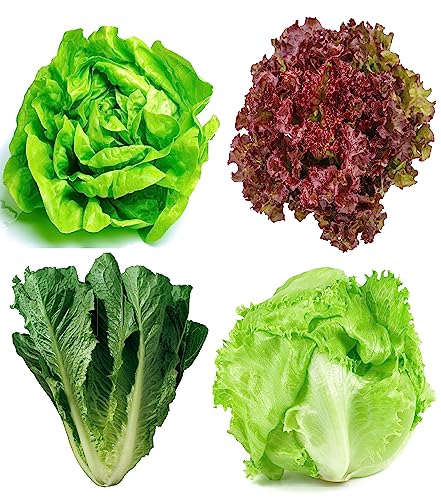
🌿 4 Distinct Heirloom Varieties Includes Iceberg, Buttercrunch, Romaine & Lollo Rosso for a complete salad garden with diverse textures, colors & flavors.

Heirloom Non-GMO Seeds: seed pod kit contains 6 kinds of lettuce seeds, they are Red&Green Leaf Lettuce, Romaine, Butter Head, Bibb Lettuce, Boston Lettuce, Buttercrunch Lettuce. Various kinds of lettuce seeds, each one is rich in nutritional value. 100% Non-GMO, open pollinated
Growing in Sun
Choose the right location for full sun lettuce varieties. These varieties require 6 to 8 hours of direct sunlight each day. Plant them in an area with ample morning sun and some afternoon shade to protect from heat stress. Monitor temperatures, aiming for the sweet spot between 60°F and 70°F.
Water consistently to maintain soil moisture. Use mulch to retain moisture and regulate soil temperature, preventing rapid drying. Fertilize with a balanced fertilizer specifically formulated for leafy greens. This boosts growth and ensures nutrient availability.
Be vigilant against pests, as sunlight attracts them. Check plants regularly for common pests like aphids or caterpillars. Implement organic pest control methods when necessary.
Growing in Shade
Select shade-tolerant lettuce varieties if your garden lacks full sun. These varieties thrive in 4 to 6 hours of filtered light daily. Identify spots that receive dappled sunlight, especially during the hottest parts of the day.
Water regularly, as shaded areas may hold moisture longer. Consider using drip irrigation for consistent moisture without waterlogging the roots. Fertilize lightly, as shaded lettuce often requires less nutrient input than those in direct sunlight.
Utilize taller plants or garden structures to create indirect shade. Aim for a mix of planted varieties to optimize space and light usage. Monitor growth closely; shaded lettuce grows at a slower pace but often yields sweeter and tender leaves.
By following these best practices tailored to sunlight and shade, you can foster a thriving lettuce garden. Adjust your approach based on your specific conditions to maximize growth and flavor.
Conclusion
Finding the right balance of sun and shade is key to growing healthy lettuce. By understanding the needs of different varieties you can create an environment that suits your garden. Whether you’re working with full sun or shaded areas there are plenty of ways to optimize growth and flavor.
Keep an eye on moisture levels and be ready to adjust your care routine as the seasons change. With a little attention and the right practices you’ll be on your way to a bountiful lettuce harvest that’s sure to impress. Happy gardening!
Frequently Asked Questions
What are the ideal conditions for growing lettuce?
Lettuce thrives in cool weather with temperatures between 60°F and 70°F. It needs 6 to 8 hours of direct sunlight daily for full sun varieties and 4 to 6 hours of filtered sunlight for partial shade varieties. Finding the right balance between sunlight and shade is crucial for healthy growth.
How much sunlight does lettuce need?
Most lettuce varieties require 6 to 8 hours of direct sunlight each day. However, shade-tolerant varieties like Leaf lettuce can grow well with just 4 to 6 hours of filtered sunlight. Balancing sunlight exposure is essential for optimal growth.
Can lettuce grow in shaded areas?
Yes, lettuce can grow in shaded areas, especially varieties that are shade-tolerant. These varieties can benefits from reduced heat stress and better moisture retention, but they may grow slower than those in full sun.
What are the negative effects of too much sunlight on lettuce?
Excessive sunlight can lead to heat stress, causing the leaves to wilt or become scorched. This can damage the plant and reduce its overall yield and flavor. Using shade cloth can help protect lettuce from too much sun and maintain optimal growing conditions.
How can I create shade for my lettuce?
You can create shade for your lettuce by using taller plants, garden structures, or shade cloth. Larger-leaved plants can also provide dappled sunlight. Make sure the shade allows some light to filter through to promote healthy growth.
What are the best practices for watering lettuce?
Lettuce needs consistent moisture without waterlogging. In shaded areas, it typically retains water better, but gardeners should still monitor moisture levels and use drip irrigation when possible to ensure adequate hydration.
How can I improve growth rates for lettuce in shade?
To improve growth rates for lettuce in shaded conditions, ensure regular watering, use drip irrigation, and consider light fertilization. Choosing the right shade-tolerant varieties and allowing some filtered light to reach the plants can also enhance growth.
What types of lettuce are best for full sun?
Full sun varieties like Romaine and Butterhead are best for areas with ample sunlight. These types thrive with 6 to 8 hours of direct sun and can produce faster growth compared to those grown in shaded conditions.
Should I rotate crops when growing lettuce?
Yes, rotating crops is essential for maintaining soil health and reducing pests and diseases. Different crops use different soil nutrients, so rotating helps ensure your lettuce grows in the best possible conditions.
What tools can help maximize light exposure for shaded lettuce?
Using reflective materials like mirrors or mylar can enhance light exposure in shaded areas. Additionally, grow lights can be employed to supplement natural light, ensuring your lettuce receives adequate illumination for healthy growth.
