

Have you ever wondered if iceberg lettuce is worth the hype? You might find yourself tossing it into salads or sandwiches without thinking twice about its nutritional value. It’s a common choice, but is it really as healthy as other greens?
In this article, we’ll explore the nutrient profile of iceberg lettuce and compare it to more nutrient-dense options. You’ll discover how it fits into a balanced diet and whether it deserves a spot on your plate. By the end, you’ll have a clearer picture of what this crispy green can offer and how to make the best choices for your meals.
Key Takeaways
- Nutrient Density Understanding: Iceberg lettuce has a lower nutrient density compared to darker greens, containing modest amounts of vitamins and minerals but high water content.
- Vitamin and Mineral Profile: It provides small quantities of vitamin K, vitamin A, and folate, essential for various bodily functions, but falls short compared to nutrient-rich vegetables like spinach and kale.
- Fiber Content: Iceberg lettuce has low fiber levels (about 1 gram per cup), making it less beneficial for digestive health compared to more fiber-rich greens.
- Mixing for Nutrition: Combining iceberg lettuce with nutrient-dense greens enhances the overall nutritional value of salads, ensuring a variety of vitamins and minerals in your diet.
- Hydration and Low Calories: Its high water content (95%) and low-calorie count make iceberg lettuce a great option for hydration and weight management.
- Versatile Use in Meals: Iceberg lettuce can be creatively included in dips, wraps, salads, and smoothies to add crunch and reduce calorie intake while maintaining flavor diversity.
Understanding Nutrient Density
Nutrient density refers to the amount of essential nutrients a food contains relative to its calorie content. Foods high in nutrient density provide vitamins and minerals without adding excessive calories. You want to focus on choosing foods that maximize nutrition while minimizing calories.
Key Components of Nutrient Density
- Vitamins: Leafy greens provide vitamins A, C, K, and several B vitamins. Iceberg lettuce contains a modest amount of these vitamins, but not as much as darker greens like spinach or kale.
- Minerals: Essential minerals, including calcium, iron, and potassium, play crucial roles in bodily functions. Iceberg lettuce has lower mineral content compared to more nutrient-dense vegetables.
- Fiber: Fiber aids digestion and supports heart health. While iceberg lettuce offers some fiber, other greens provide significantly higher amounts, contributing to better digestive health.
- Antioxidants: Antioxidants help protect the body from oxidative stress. Darker leafy greens typically boast a higher antioxidant concentration than iceberg lettuce.
Comparing Iceberg Lettuce to Other Greens
When evaluating salad options, consider nutrient-dense alternatives. Spinach, arugula, and Swiss chard rank higher in vitamins and minerals per calorie. For example, a cup of spinach offers roughly 7 calories and provides more vitamins and minerals than a cup of iceberg lettuce, which contains approximately 10 calories.
- Mix Greens: Combine iceberg lettuce with darker greens to enhance nutrient intake. This not only boosts health benefits but also improves flavor and texture.
- Experiment with Dressings: Use healthy dressings to complement your greens. Ingredients like olive oil and vinegar add flavor while supporting nutrient absorption.
- Add Variety: Include a range of vegetables in your diet. Besides greens, consider incorporating bell peppers, carrots, and tomatoes for diverse nutrients.
By understanding nutrient density, you navigate your food choices more effectively, ensuring a balanced and nutritious diet.
Overview of Iceberg Lettuce
Iceberg lettuce is a commonly used green in salads and sandwiches. While it adds a refreshing crunch, its nutritional value is often debated.
Nutritional Profile
Iceberg lettuce contains about 95% water, making it low in calories—approximately 10 calories per cup. It provides small amounts of essential nutrients such as vitamin K, vitamin A, and folate. Each cup includes about 5% of the daily value for these vitamins. However, its fiber content is also relatively low, offering just 1 gram per serving. Compared to other greens, iceberg lettuce has fewer vitamins and minerals, contributing to its perception as less nutrient-dense.
| Nutrient | Amount per Cup (Shredded) | Daily Value % |
|---|---|---|
| Calories | 10 | – |
| Vitamin K | 10 mcg | 10% |
| Vitamin A | 377 IU | 8% |
| Folate | 19 mcg | 5% |
| Fiber | 1 g | 4% |
Comparison with Other Greens
When compared to darker leafy greens like spinach and kale, iceberg lettuce ranks lower in nutrient density. Spinach offers higher levels of vitamins A, C, and K, along with iron and calcium. Kale contains significant amounts of vitamins A, C, and K, plus antioxidants known for their health benefits.
In practical terms, if you crave the crunch of iceberg, consider mixing it with more nutrient-dense options. This combination enhances the nutritional content of your meal, providing a wider array of vitamins and minerals while still enjoying the texture you love.
Benefits of Iceberg Lettuce
Iceberg lettuce offers several benefits, making it a popular choice despite its lower nutrient density compared to darker greens.
Recommended Products
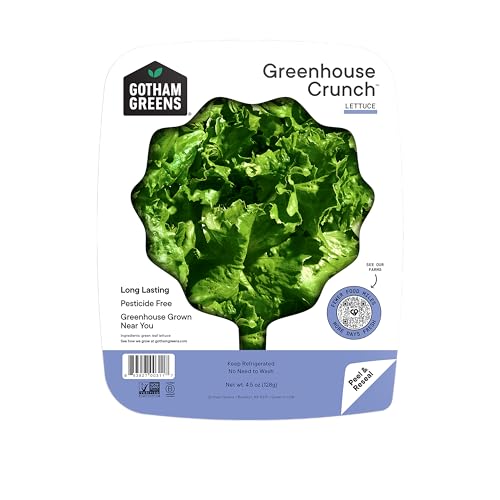
Premium Quality, fresh, local, greenhouse-grown lettuce

Premium Heirloom Quality: Our 2500 non-GMO iceberg lettuce seeds are perfect for both indoor and outdoor planting. Enjoy fresh, crispy lettuce known for its superior flavor and texture. Ideal for hydroponic systems, soil gardens, and container gardening.

Hydration and Low Calories
Iceberg lettuce is remarkably hydrating, composed of about 95% water. This high water content helps keep you hydrated, especially during warmer months. At approximately 10 calories per cup, it serves as a low-calorie addition to meals, making it suitable for weight management. You can enjoy a generous serving without significantly impacting your daily calorie intake. For instance, you can pile up a salad with two cups of iceberg lettuce, adding just 20 calories while still feeling full.
Vitamins and Minerals
Iceberg lettuce contains essential vitamins and minerals, albeit in smaller amounts compared to nutrient-dense greens. It provides vitamin K, which supports bone health, and vitamin A, crucial for vision and skin health. Additionally, it contains folate, which aids in cell function and tissue growth. While iceberg lettuce won’t replace darker greens, its vitamin and mineral content can still contribute to your overall nutrient intake when included as part of a diverse diet. Aim to mix iceberg lettuce with spinach, kale, or other greens to enhance your salad’s nutritional value.
Common Myths About Iceberg Lettuce
Myth 1: Iceberg Lettuce Has No Nutritional Value
Iceberg lettuce does contain nutrients. It offers small amounts of vitamin K, vitamin A, and folate. While it lacks the nutrient density of darker greens, it’s not devoid of all benefits.
Myth 2: It’ll Cause Weight Gain
Iceberg lettuce is a low-calorie food, with only about 10 calories per cup. Incorporating it into meals can help maintain a balanced diet without significant calorie intake. It’s a suitable choice for weight management.
Myth 3: It’s Just Water
While iceberg lettuce has a high water content (around 95%), this characteristic provides hydration. It’s an excellent addition to salads, especially during hot weather when staying hydrated is essential.
Myth 4: It’s Not Worth Eating
Combining iceberg lettuce with other nutrient-dense greens enhances your salad’s overall nutritional profile. Mixing it with spinach or kale can create a more balanced meal while maintaining some crunch.
Myth 5: It Lacks Antioxidants
Iceberg lettuce has some antioxidants, though in lower amounts compared to other greens. Pairing it with colorful vegetables, like bell peppers or tomatoes, boosts antioxidant intake significantly.
Myth 6: All Lettuce is the Same
Different types of lettuce offer various health benefits. While iceberg lettuce has its place, experimenting with various leafy greens maximizes nutrient intake and keeps meals interesting.
Practical Tips for Including Iceberg Lettuce in Your Diet
Incorporating iceberg lettuce into your meals can enhance your diet while adding refreshing crunch. Here are practical tips for making the most of this leafy green.
Recommended Products


5-Variety Lettuce Seed Collection - Enjoy a continuous harvest of fresh, flavorful greens! This lettuce seed collection includes Black Seeded Simpson, Iceberg, Buttercrunch, Parris Island Cos, and Lolla Rossa Lettuce.
Combine with Nutrient-Dense Greens
- Mix iceberg lettuce with spinach, kale, or arugula. This combination boosts nutrient content while retaining iceberg’s crisp texture.
- Aim for a salad base of at least 50% nutrient-dense greens. The more dark leafy greens, the higher the vitamins and minerals in your salad.
Create Flavorful Salads
- Add colorful vegetables like bell peppers, tomatoes, and cucumbers. These add flavor, texture, and extra nutrients to your meal.
- Include sources of healthy fats, such as avocado or nuts. Healthy fats enhance nutrient absorption and make salads more satisfying.
Experiment with Dressings
- Use yogurt-based or vinaigrette dressings for added flavor and nutrition. These dressings elevate iceberg lettuce without overpowering its mild taste.
- Consider homemade dressings with simple ingredients like olive oil, vinegar, and herbs. Fresh dressings are often healthier and can be customized to your taste.
Try Dips and Wraps
- Use iceberg lettuce leaves as a low-calorie wrap for proteins like turkey, chicken, or tofu. This provides a light alternative to traditional wraps or bread.
- Pair iceberg lettuce with hummus, guacamole, or salsa for a crunchy snack. These dips add flavor and nutrients, enhancing your snacking experience.
Incorporate into Smoothies
- Blend iceberg lettuce into green smoothies for added hydration and a smooth texture. The water content of iceberg makes smoothies refreshing and low in calories.
- Combine it with fruits like bananas or berries. This combination maintains taste while adding vitamins and antioxidants.
- Keep iceberg lettuce refrigerated to maintain freshness. Store it in a produce drawer wrapped in a damp paper towel.
- Use it within a week for the best texture and flavor. Check for wilted leaves, as these can affect the overall quality of your salads.
By applying these tips, you can effectively incorporate iceberg lettuce into your diet while enhancing its nutritional value. Enjoy the refreshing taste and texture while reaping the benefits of a diverse diet.
Conclusion
Iceberg lettuce can definitely play a role in your diet. Its high water content and low calorie count make it a refreshing choice. However it’s important to remember that it doesn’t pack the same nutrient punch as darker greens.
By mixing iceberg with more nutrient-dense options like spinach or kale you can enjoy the best of both worlds. Adding colorful veggies and healthy fats will also boost your salads and snacks. Embracing a variety of leafy greens not only enhances your meals but also ensures you’re getting a wider range of nutrients. So go ahead and enjoy your iceberg lettuce while exploring all the delicious ways to make your meals more nutritious!
Frequently Asked Questions
What is the nutritional value of iceberg lettuce?
Iceberg lettuce has a high water content of about 95% and is low in calories, with approximately 10 calories per cup. It provides small amounts of essential nutrients like vitamin K, vitamin A, and folate but offers only 1 gram of fiber per serving. Compared to darker greens, its nutrient density is lower.
Why is iceberg lettuce popular in salads?
Iceberg lettuce is popular due to its crunchy texture and mild flavor. Its high water content makes it refreshing and hydrating, while its low calorie count appeals to those looking for lighter salad options. However, it is essential to combine it with more nutrient-dense greens for balanced nutrition.
How does iceberg lettuce compare to darker leafy greens?
Unlike darker leafy greens like spinach and kale, iceberg lettuce has lower levels of vitamins and minerals. Darker greens are significantly more nutrient-dense, providing higher amounts of essential nutrients, fiber, and antioxidants, making them better choices for health-conscious diets.
Can iceberg lettuce aid in weight management?
Yes, iceberg lettuce can aid in weight management due to its low-calorie count and high water content. It can be a filling addition to meals, keeping you hydrated without adding excessive calories, especially when combined with other vegetables.
Are there any myths about iceberg lettuce?
One common myth is that iceberg lettuce is devoid of nutrients. While it has fewer nutrients compared to other greens, it does contain essential vitamins and minerals and can be part of a balanced diet. Combining it with nutrient-dense vegetables can enhance its health benefits.
How can I incorporate iceberg lettuce into my diet?
You can mix iceberg lettuce with nutrient-dense greens like spinach or kale, add colorful vegetables, and use flavorful dressings in salads. It can also serve as a low-calorie wrap or snack. Blending it into smoothies is another way to enjoy its hydrating properties.
How should I store iceberg lettuce to maintain freshness?
To keep iceberg lettuce fresh, store it in the refrigerator in a plastic or perforated bag. Avoid washing it before storage to prevent moisture buildup. Use it within a week for the best taste and texture, and keep it away from ethylene-producing fruits to prolong freshness.
