

Are you looking to boost your tomato plant’s growth naturally? Picture this: You’ve been tending to your tomato plants diligently, but they seem to lack that extra vitality. Have you considered the benefits of using bone meal in your gardening routine?
Key Takeaways
- Bone meal is a valuable organic fertilizer derived from ground animal bones, rich in phosphorus and calcium essential for tomato plants’ growth.
- Benefits of bone meal for tomato plants include promoting robust root development with phosphorus and preventing diseases like blossom end rot with calcium.
- Correct timing and application techniques are crucial when using bone meal on tomato plants to maximize its benefits.
- Potential drawbacks of using bone meal include the risk of over-fertilization and environmental concerns related to its production process.
- Alternative organic fertilizers like compost, fish emulsion, and seaweed can be effective options to nourish tomato plants naturally while supporting sustainable gardening practices.
Understanding Bone Meal
Bone meal is a valuable organic fertilizer derived from ground animal bones. It’s a natural source of essential nutrients that can benefit your tomato plants significantly.
What Is Bone Meal?
Bone meal is a fine powder made from crushed and powdered animal bones, primarily sourced from cattle. This organic material undergoes a process to become a rich fertilizer.
Nutrient Composition of Bone Meal
Bone meal is renowned for its high phosphorus content, crucial for root development, flowering, and fruit production in tomato plants. Additionally, it contains calcium, aiding in cell formation and overall plant structure.
Benefits of Bone Meal for Tomato Plants
Bone meal offers various advantages when used to nourish tomato plants, enhancing their growth and overall health. Let’s delve into the specific benefits bone meal provides for your tomato plants.
Recommended Products

STRONGER ROOT DEVELOPMENT: Bone Meal is a natural source of vital, readily available organic nitrogen, phosphorus and calcium that promotes strong plant roots, vibrant blooms and more delicious vegetables. Helps to enhance your plants throughout the growing season!

Package contains 4 pounds organic bone meal plant fertilizer grains and is produced to avoid wasteful runoff, mess, hazards and smells

BONE MEAL 3-15-0 FORMULA - Greenway Biotech Bone Meal supplement is a fertilizer with 3-15-0 formula. Promotes strong roots, vibrant blooms and more delicious vegetables. Bones are full of nutrients and minerals that benefit your plants, helping to make them healthier and stronger.
Phosphorus Boost for Root Development
Phosphorus, a key nutrient found in bone meal, plays a vital role in promoting robust root development in tomato plants. By incorporating bone meal into the soil, you’re providing your tomatoes with the essential phosphorus they need to establish strong root systems. This foundation is crucial as healthy roots enable efficient nutrient uptake, leading to vigorous plant growth and increased resilience against environmental stressors.
Calcium Support for Disease Prevention
Another significant benefit of using bone meal for your tomato plants is the calcium it supplies. Calcium is essential for preventing common tomato plant diseases such as blossom end rot. By ensuring an adequate supply of calcium through bone meal application, you can fortify your plants’ cell walls, reducing the risk of disease development and promoting overall plant vitality. Additionally, calcium aids in fruit formation and quality, contributing to a bountiful harvest of flavorful tomatoes.
By harnessing the phosphorus-boosting properties and disease-preventing capabilities of bone meal, you can nurture thriving tomato plants that yield abundant crops while maintaining optimal health throughout their growth cycle.
How to Apply Bone Meal to Tomato Plants
When it comes to applying bone meal to your tomato plants, the correct timing and techniques play a crucial role in maximizing its benefits. Here’s how you can effectively apply bone meal to ensure optimal growth and health for your tomato plants.
Recommended Products

Package contains 50 organic bone meal plant fertilizer spikes and is produced to avoid wasteful runoff, mess, hazards and smells

Encourages Rapid Growth: True Organic Blood Meal is perfect for heavy feeders like corn, spinach, broccoli, and leafy greens, promoting vigorous vegetative growth.
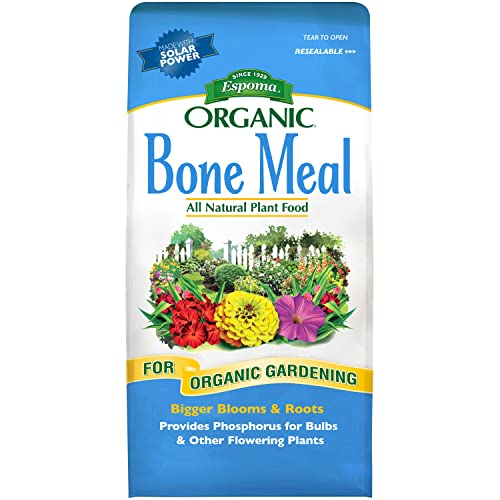
FOR USE ON: Use Bone Meal organic fertilizer for all bulbs both Spring and Fall as well as annual and perennial flowers
Correct Timing for Application
To get the most out of bone meal for your tomato plants, it’s essential to apply it at the right time. The ideal timing is during the planting stage or when transplanting seedlings into larger containers or garden beds. By incorporating bone meal into the soil at this stage, you provide a nutrient-rich environment that supports healthy root development from the beginning.
Application Techniques and Amounts
When applying bone meal, ensure even distribution throughout the soil around your tomato plants. You can sprinkle a thin layer of bone meal on the surface of the soil and gently work it into the top few inches. Alternatively, you can mix bone meal directly into the planting hole before placing your tomato plant.
As a general guideline, aim for approximately 1-2 tablespoons of bone meal per plant during initial planting or transplanting. For established tomato plants, you can side-dress with bone meal by sprinkling around each plant and lightly working it into the soil every 6-8 weeks during the growing season.
By following these simple application techniques and guidelines for timing, you’ll help your tomato plants thrive with the beneficial nutrients provided by bone meal.
Potential Drawbacks of Using Bone Meal
When it comes to using bone meal for your tomato plants, there are a few potential drawbacks you should be aware of to ensure the best results.
Risk of Over-Fertilization
Over-fertilizing your tomato plants with bone meal can lead to nutrient imbalances in the soil. This excess of nutrients, especially phosphorus, may hinder the plant’s ability to absorb other essential elements properly. It’s crucial to follow recommended application rates and avoid excessive use to prevent over-fertilization issues.
Environmental Concerns
One drawback of using bone meal is its environmental impact. The production process of bone meal involves animal by-products, which may raise ethical concerns for some individuals. Additionally, the sourcing and processing of bones can have environmental implications if not done sustainably. When choosing bone meal for your tomato plants, consider opting for products made from ethically sourced materials or explore alternative organic fertilizers that align better with your environmental values.
Alternative Organic Fertilizers
Looking to explore other organic options for your tomato plants? Here are some alternatives to bone meal that can provide the necessary nutrients for healthy growth.
Recommended Products

Combined for Maximum Growth: Neptune’s Harvest Fish & Seaweed organic fertilizer is an organic all-purpose liquid plant food formulated with 75% fish and 25% seaweed for a perfect blend of nutrients; this organic plant fertilizer delivers consistent feeding as a liquid fertilizer and plant food for vegetables, flowers, trees, lawns, and indoor plants, supporting balanced growth throughout the growing season and is safe for kids and pets

Boosts Growth & Root Strength – This fish fertilizer supports strong root systems, lush foliage, and consistent plant growth for indoor and outdoor gardens.

Derived for Maximum Growth: Neptune’s Harvest Natural Tomato & Vegetable Organic Fertilizer is a liquid plant food formulated for the critical "vegging" stage of tomatoes, vegetables, and houseplants; this liquid fertilizer enhances plant health, promotes vigorous foliage, and develops strong stems and roots; this fertilizer increases yield, supports healthy deep roots, and helps with big vegetation, healthier crops, especially for tomatoes and vegetables and is safe for kids and pets
Compost and Its Benefits
Consider using compost as a natural fertilizer for your tomato plants. Compost is rich in organic matter, providing a balanced mix of nutrients essential for plant growth. It helps improve soil structure, retains moisture, and promotes beneficial microbial activity in the soil. By incorporating compost into your gardening routine, you can enhance soil fertility and support overall plant health.
Using Fish Emulsion and Seaweed
Fish emulsion and seaweed are excellent organic fertilizers that offer a nutrient boost to tomato plants. Fish emulsion is a concentrated liquid fertilizer made from fish byproducts, providing a source of nitrogen, phosphorus, and potassium essential for plant development. Seaweed-based fertilizers contain micronutrients like magnesium, zinc, and iron that can benefit tomato plants’ growth and fruit production. Incorporating these natural fertilizers into your gardening practices can help supplement the nutritional needs of your tomatoes effectively.
Explore these alternative organic fertilizers to nourish your tomato plants naturally while promoting sustainable gardening practices.
Conclusion
You’ve learned about the benefits and considerations of using bone meal for your tomato plants. While it can be beneficial, there are also potential drawbacks to keep in mind. Exploring alternative organic fertilizers like compost, fish emulsion, and seaweed provides you with more options to support your plants’ growth naturally. By choosing the right fertilizer and applying it correctly, you can ensure healthy tomato plants that yield delicious fruits. Remember to consider your specific garden needs and preferences when deciding on the best fertilizer for your tomatoes. Happy gardening!
Frequently Asked Questions
Q: What are the benefits of using bone meal for tomato plants?
A: Bone meal provides essential nutrients like phosphorus and calcium, promoting root development, nutrient absorption, disease resistance, and fruit quality in tomato plants.
Q: What are the potential drawbacks of using bone meal?
A: Over-fertilization risks and environmental concerns are potential drawbacks of using bone meal for tomato plants.
Q: Are there alternative organic fertilizers to bone meal for tomatoes?
A: Yes, alternatives like compost, fish emulsion, and seaweed offer similar benefits in providing essential nutrients, improving soil structure, and supporting plant health.
Q: How do these alternative fertilizers promote sustainable gardening practices?
A: Alternative organic fertilizers offer a natural way to nourish tomato plants while encouraging sustainable gardening practices.
