

Have you ever wondered how resilient tomato plants are when the temperatures drop at night? Picture this: you’ve put time and effort into nurturing your tomato plants, only to worry about their survival when chilly nights set in. Understanding the cold tolerance of tomato plants can be crucial for their well-being. In this article, we’ll explore just how much cold these plants can handle during the night.
Knowing the temperature thresholds that tomato plants can withstand is essential for any gardener. By learning about their cold tolerance, you’ll be better equipped to protect your precious plants from potential harm. Stay tuned as we uncover valuable insights on how low nighttime temperatures can affect your tomato garden.
Key Takeaways
- Factors like plant age, variety, and health influence tomato plants’ cold tolerance.
- Symptoms of cold stress in tomato plants include wilting leaves and discolored foliage.
- Understanding varietal differences and acclimatization can optimize nighttime temperatures for tomato growth.
- Techniques like mulching, water management, covering plants, and using windbreaks help protect tomatoes from cold nights.
- Row covers offer benefits such as temperature regulation, pest control, and moisture retention for tomato plants.
- Selecting appropriate tomato varieties based on cold tolerance and implementing research-based strategies can enhance plants’ ability to withstand colder temperatures.
Understanding Tomato Plants’ Cold Tolerance
When considering how cold tomato plants can withstand during the night, it’s crucial to understand various factors that influence their temperature sensitivity.
Recommended Products

Product Features: Our plant covers are ideal for protecting all plant. Made from premium 1 oz/sq non-woven fabric, their durability and breathability ensuring both insulation against frost and facilitation of sunlight penetration for healthy plant growth

※Big Size to cover large area : The size of our plant cover is 10x30ft, the size can cover large areas. You can cut the plant covers freeze protection into different sizes for different use. You can cover it over the plant such as shrub tomato, pepper, pumpkin, and so on.
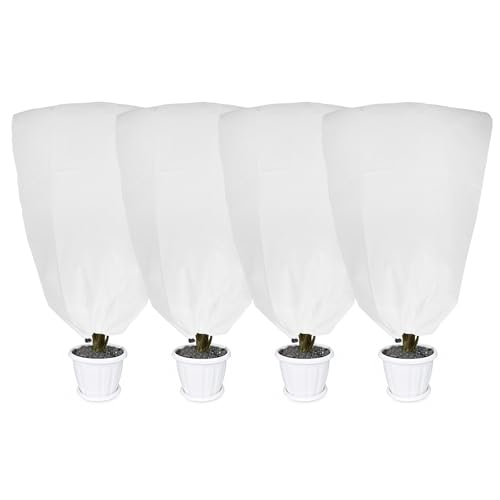
❄【Winter Plant Covers】-You will get 4 sets of frost blankets for outdoor plants measuring 47.2"×31.5", easy to use and fitting the growings easily. Perfect choice for your garden to protect plants in winter.
Factors Influencing Temperature Sensitivity
To grasp the cold tolerance of tomato plants, you should consider factors like plant age, variety, and overall health. Young tomato plants are more susceptible to cold stress than mature ones. Additionally, certain tomato varieties exhibit better resilience to low temperatures. Ensuring your plants are healthy with proper nutrition and care can enhance their ability to tolerate colder nights.
Symptoms of Cold Stress in Tomato Plants
Recognizing the signs of cold stress in tomato plants is essential for timely intervention. Symptoms may include wilting leaves, discolored foliage, or slowed growth. When exposed to prolonged cold temperatures, tomatoes might develop blackened areas on leaves or fruits. Being vigilant and observing your plants regularly can help you identify these symptoms early and take appropriate measures to protect them from further damage.
Optimal Nighttime Temperatures for Tomato Growth
When it comes to the nighttime temperatures that tomato plants thrive in, it’s essential to understand the specific conditions that promote their growth. Here are key factors to consider:
Recommended Products

THICKER MATERIAL: Our plant freeze protection cover is made of UV stabilized polypropylene. Upgraded thicker 0.9oz./sq.yard lightweight but durable. Soft plant covers are friendly and no harm to your plants. Breathable non-woven fabric allow light, air go through the frost cloths and reach the plants.

[6-Pack Medium Plant Covers for More Winter Protection]This 6 pack plant covers freeze protection set is designed for protecting multiple potted plants, rose bushes, tomato cages, small shrubs, young trees, and patio plants during cold weather

Sufficient Quantity: you will receive 6 pieces of winter plant covers freeze protection, the sufficient quantity and transparent design are enough to meet your daily use and replacement needs
Varietal Differences in Cold Tolerance
Different tomato plant varieties exhibit varying levels of cold tolerance. Some types can withstand colder temperatures better than others. For example, heirloom tomatoes might be more sensitive to cold compared to hybrid varieties. Understanding these differences can help you choose the right type for your growing conditions.
Effects of Acclimatization
Acclimatization plays a crucial role in how well tomato plants adapt to changing temperatures, including cold nights. By gradually exposing young plants to slightly lower temperatures over time, they can develop resistance to colder conditions. This process helps strengthen the plants’ ability to handle chilly nights and promotes healthier growth overall.
By considering varietal differences and implementing acclimatization techniques, you can optimize nighttime temperatures for your tomato plants’ growth and ensure they thrive even when faced with cooler weather conditions.
Protecting Tomato Plants from Cold Temperatures at Night
When it comes to safeguarding your tomato plants from chilly nights, employing effective techniques can make a significant difference in their growth and health. Here are some strategies you can use to insulate your tomato plants and ensure they thrive even when temperatures drop:
Recommended Products

PRODUCT FEATURES: Our plant covers are ideal for protecting all plant. Made from premium 1.4 oz/sq non-woven fabric, their durability and breathability ensuring both insulation against frost and facilitation of sunlight penetration for healthy plant growth

【Super Larger Size】 Our plant covers freeze protection is 10 feet x 50 feet, much larger than the ordinary 10 x 30 feet in the market, about 1.7 times of its size, which enables you to cover larger areas and more plants. The frost cloth plant freeze protection can be easily cut with scissors into different sizes you need, and cover your plants with single layer or doubled or tripled layer as you like
THICKER MATERIAL: Our plant freeze protection cover is made of UV stabilized polypropylene. Upgraded thicker 0.9oz./sq.yard lightweight but durable. Soft plant covers are friendly and no harm to your plants. Breathable non-woven fabric allow light, air go through the frost cloths and reach the plants.
Techniques for Insulating Tomato Plants
- Mulching: Cover the soil around your tomato plants with a layer of mulch, such as straw or shredded leaves. Mulch acts as an insulator, helping to retain soil heat and protect the roots from extreme cold.
- Water Management: Ensure proper watering practices before nightfall. Well-hydrated plants are better equipped to withstand low temperatures than dehydrated ones. However, avoid overwatering, as excess moisture can lead to root rot.
- Covering Plants: Use frost blankets or cloches to cover your tomato plants during the night. These protective covers trap heat radiating from the soil, creating a warmer microclimate around the plants.
- Windbreaks: Erect temporary windbreaks around your tomato garden to shield plants from cold winds that can exacerbate temperature drops. Solid barriers like fences or temporary structures can help reduce wind chill effects.
Advantages of Using Row Covers
Row covers offer several benefits when it comes to protecting tomato plants from cold temperatures at night:
- Temperature Regulation: Row covers act as thermal blankets, trapping heat generated by the soil and preventing rapid temperature fluctuations that can stress plants.
- Pest Control: In addition to providing insulation, row covers serve as a physical barrier against pests like insects and small animals that may damage tender tomato plants.
- Moisture Retention: By reducing evaporation rates and shielding plants from harsh weather conditions, row covers help maintain optimal soil moisture levels for healthy plant growth.
By incorporating these techniques into your gardening routine and taking advantage of row covers’ benefits, you can create a conducive environment for your tomato plants to thrive even in colder nighttime temperatures.
Case Studies and Research Insights
In this section, we delve into comparative studies on tomato plant varieties and practical applications of research findings to help you understand how different tomato plants respond to cold temperatures and how you can apply these insights effectively.
Comparative Studies on Tomato Plant Varieties
When it comes to cold tolerance in tomato plants, various studies have shown that certain plant varieties exhibit better resilience to low temperatures than others. For example, research has indicated that heirloom tomatoes tend to be more sensitive to cold compared to hybrid varieties. By selecting the right type of tomato plant based on its known tolerance levels, you can increase the chances of your plants surviving colder nights without damage.
Additionally, studies have highlighted that cherry tomato varieties generally have a higher tolerance for cold temperatures compared to larger beefsteak or slicing tomatoes. Understanding these differences can help you choose the most suitable tomato plant variety for your specific climate conditions, ensuring better survival rates during chilly nights.
Practical Applications of Research Findings
To translate research insights into practical applications for protecting your tomato plants from cold nights, consider implementing the following strategies:
- Selecting Appropriate Varieties: Choose tomato plant varieties known for their cold tolerance.
- Mulching: Use organic mulch around the base of plants to retain soil warmth.
- Water Management: Avoid overwatering as wet soil loses heat faster; water early in the day.
- Covering Plants: Use cloches or row covers during particularly chilly nights.
- Windbreaks: Create barriers like fences or shrubs to shield plants from cold winds.
By incorporating these practices based on research findings tailored to different tomato plant varieties’ needs, you can enhance your plants’ ability to withstand colder nighttime temperatures effectively.
Conclusion
By understanding the factors that influence tomato plants’ cold tolerance and implementing protective measures like mulching, water management, and covering techniques, you can enhance your plants’ ability to withstand chilly nights. Remember to choose appropriate varieties based on their resilience to low temperatures for optimal results in your garden. With these strategies in place, you’ll be well-equipped to ensure your tomato plants thrive even when faced with colder nighttime conditions.
Frequently Asked Questions
What factors determine the cold tolerance of tomato plants?
Plant age, variety, and health play crucial roles in determining how well tomato plants can withstand low temperatures.
How can I protect my tomato plants from cold nights?
You can protect your tomato plants by using techniques like mulching, proper water management, covering them with row covers or other materials, and creating windbreaks to shield them from chilly winds.
Which tomato plant varieties are more resilient to cold temperatures?
Cherry tomatoes generally have higher cold tolerance compared to larger varieties. Hybrid varieties tend to be more cold-resistant than heirloom tomatoes.
How can research findings help me improve my tomato plants’ resilience to cold conditions?
By selecting appropriate tomato plant varieties, utilizing mulch effectively, managing water properly, covering your plants when needed, and implementing windbreaks strategically based on research insights.
