

Are you struggling to find the best fertilizer for your tomato plants? Picture this: you’ve put in the effort to nurture your tomato garden, but the results are not as bountiful as you hoped. That’s where 20-20-20 fertilizer comes into play. Wondering if it’s the right choice for your tomatoes?
In this article, we’ll explore whether 20-20-20 fertilizer is a game-changer for your tomato plants. You’ll uncover the benefits of using this type of fertilizer and how it can potentially boost the growth and yield of your tomatoes. Ready to give your tomatoes the nutrients they need to thrive? Let’s dive into whether 20-20-20 fertilizer is the missing ingredient for your flourishing tomato garden.
Key Takeaways
- 20-20-20 Fertilizer Composition: Comprised of nitrogen, phosphorus, and potassium in equal proportions, essential for plant growth.
- Versatility of 20-20-20 Fertilizer: Suitable for various plants beyond tomatoes due to its balanced nutrient composition.
- Nutritional Requirements of Tomatoes: Tomatoes need nitrogen for leafy growth, phosphorus for root development and fruit production, and potassium for disease resistance and fruit quality.
- Benefits of Using 20-20-20 Fertilizer: Promotes balanced growth, enhances fruit quality and yield in tomato plants.
- Risks of Over-Fertilization: Excessive use can lead to issues like nitrogen burn, reduced fruit production, and nutrient imbalance.
- Alternative Fertilizers for Tomatoes: Consider organic options, slow-release fertilizers, or specialized tomato fertilizers to avoid over-fertilization risks.
Understanding 20 20 20 Fertilizer Composition
When it comes to understanding 20-20-20 fertilizer and its composition, it’s essential to grasp what each number in the ratio stands for. This balanced fertilizer consists of three main nutrients crucial for plant growth: nitrogen, phosphorus, and potassium.
Recommended Products
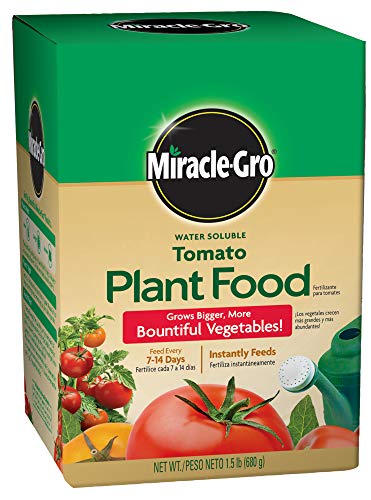
Instantly feeds to grow bigger, more bountiful vegetables versus. unfed plants

Let our professionally formulated plant food help you grow bigger, juicer and plumper tomatoes in your garden

20-20-20 Analysis - Great for providing fast green-up and rapid leaf expansion in all indoor and outdoor plants.
What Does 20 20 20 Stand For?
Each “20” in the 20-20-20 fertilizer represents the percentage by weight of one of the primary nutrients. The first “20” signifies the nitrogen content, which promotes leafy green growth and overall plant vigor. The second “20” denotes phosphorus, vital for root development, flower formation, and fruit production. Lastly, the third “20” stands for potassium, supporting disease resistance, stress tolerance, and fruit quality.
General Applications of 20 20 20 Fertilizer
This versatile fertilizer is suitable for various plants beyond tomatoes due to its balanced nutrient composition. Whether you’re nurturing flowers in your garden or tending to houseplants indoors, a well-rounded fertilizer like 20-2020 can help meet their nutritional needs effectively.
By understanding the components of this fertilizer blend and its broad applications across different plant types, you can make informed decisions on how to best support your plants’ growth and development.
The Nutritional Requirements of Tomatoes
Nutrient balance is crucial for the healthy growth of your tomato plants. Here’s what you need to know about their nutritional needs:
Key Nutrients Needed for Tomato Growth
Tomatoes require specific nutrients to thrive:
- Nitrogen: Essential for leafy growth and overall plant vigor.
- Phosphorus: Supports strong root development, flowering, and fruit production.
- Potassium: Aids in disease resistance, fruit quality, and overall plant health.
Balanced levels of these nutrients are vital for robust tomato plants.
Comparing Tomato Needs With 20 20 20 Fertilizer
When comparing the nutrient requirements of tomatoes with a 20-20-20 fertilizer:
- Nitrogen: Tomatoes need less nitrogen during fruiting compared to the vegetative stage. Adjust the application according to the plant’s growth phase.
- Phosphorus: Crucial during flowering and fruit formation. Ensure adequate phosphorus levels when using a balanced fertilizer like 20-20-20.
- Potassium: Important for improving fruit quality and enhancing disease resistance in tomatoes. A balanced fertilizer can help maintain optimal potassium levels throughout the growing season.
By understanding how tomato nutrient requirements align with those provided by a balanced fertilizer like 20-20-20, you can effectively support your plants’ growth and maximize their yield potential.
Benefits of Using 20 20 20 Fertilizer for Tomatoes
When it comes to your tomato plants, using 20-20-20 fertilizer can offer several advantages that contribute to their overall health and productivity. Let’s explore how this balanced fertilizer can benefit your tomatoes.
Recommended Products

VEGETABLE FERTILIZER: Get the most from your vegetable garden with Miracle-Gro Water Soluble Tomato Plant Food, a water soluble vegetable garden fertilizer that's specially formulated to help you grow more bountiful vegetables (vs. unfed plants)

Contains chelated minor elements
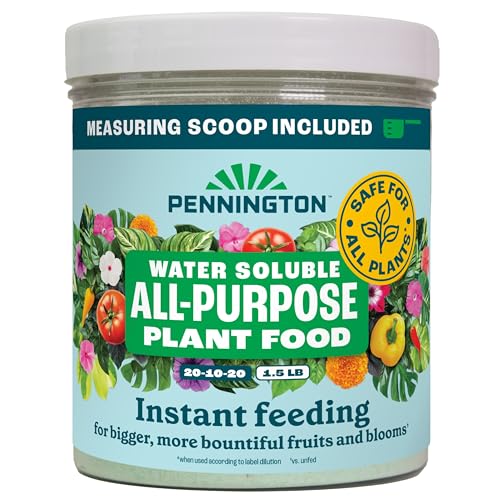
Water soluble plant food mix with a measuring scoop.
Promoting Balanced Growth
By providing a well-rounded mix of essential nutrients like nitrogen, phosphorus, and potassium in equal proportions, 20-20-20 fertilizer supports the balanced growth of your tomato plants. These nutrients play crucial roles in various stages of plant development, ensuring healthy foliage, sturdy stems, and robust root systems. With the right balance from this fertilizer, your tomatoes can thrive throughout their growth cycle.
Enhancing Fruit Quality and Yield
The use of 20-20-20 fertilizer is instrumental in enhancing the quality and yield of your tomato harvest. Nitrogen aids in leafy green growth and overall plant vigor, while phosphorus supports flower formation and fruit development. Potassium contributes to disease resistance and improves fruit flavor. By incorporating this balanced fertilizer into your tomato care routine, you can expect not only healthier plants but also a bountiful yield of flavorful fruits that are both nutritious and delicious.
Potential Drawbacks
When it comes to using 20-20-20 fertilizer for tomatoes, there are a few potential drawbacks you should be aware of. Understanding these risks can help you make informed decisions about fertilizing your tomato plants.
Recommended Products

Package contains 4 pounds organic vegetable and tomato fertilizer grains and is produced to avoid wasteful runoff, mess, hazards and smells

For more nutritious and tasty vegetables

Burpee Organic All Purpose Granular Plant Food is formulated for long-lasting results
Risks of Over-Fertilization
Over-fertilization with 20-20-20 fertilizer can harm your tomato plants rather than benefit them. Excessive nutrients, especially nitrogen, can lead to issues such as:
- Nitrogen Burn: Too much nitrogen can burn the roots of your tomato plants, causing stunted growth and yellowing leaves.
- Reduced Fruit Production: Overabundance of nutrients may result in more foliage growth at the expense of fruit production.
- Nutrient Imbalance: Excessive use of balanced fertilizer like 20-20-20 can disrupt the natural nutrient balance in the soil, affecting overall plant health.
To avoid these problems, it’s crucial to follow recommended application rates and schedules for fertilizing tomatoes. Always read the instructions on the fertilizer package and adjust based on your specific plant needs.
Alternative Fertilizers for Tomatoes
If you’re concerned about over-fertilization or prefer exploring other options for fertilizing your tomatoes, consider these alternatives:
- Organic Fertilizers: Opt for organic options like compost, manure, or fish emulsion to provide nutrients to your tomato plants without the risk of chemical buildup.
- Slow-Release Fertilizers: Use slow-release fertilizers that gradually release nutrients over time, reducing the chances of overloading your plants with excess nutrients.
- Customized Tomato Fertilizers: Choose specialized tomato fertilizers formulated to meet the specific nutrient requirements of tomato plants at different growth stages.
By considering these alternative fertilization methods, you can tailor your approach to better suit the needs of your tomato plants while minimizing the risks associated with overusing 20-20-20 fertilizer.
Conclusion
You’ve learned about the benefits and potential drawbacks of using 20-20-20 fertilizer for tomatoes. While this fertilizer provides essential nutrients, it’s crucial to avoid over-fertilization to prevent harm to your plants. By following recommended guidelines and considering alternative fertilizers, you can promote healthy growth in your tomato plants. Remember, informed decisions lead to thriving gardens!
Frequently Asked Questions
What are the benefits of using 20-20-20 fertilizer for plants?
20-20-20 fertilizer provides a balanced mix of nitrogen, phosphorus, and potassium, essential for plant growth and health.
What are the potential drawbacks of using 20-20-20 fertilizer for tomatoes?
Over-fertilization with 20-20-20 can lead to nitrogen burn, reduced fruit production, and nutrient imbalances in tomato plants.
How can gardeners avoid issues when using 20-20-20 fertilizer for tomatoes?
To prevent problems, follow recommended application rates and consider alternatives like organic fertilizers or specialized tomato fertilizers.
