

Ever found yourself staring at a bunch of fresh lettuce, wondering how to wash and dry it without a salad spinner? You’re not alone. Many people face the same dilemma, especially when trying to whip up a healthy salad quickly.
Key Takeaways
- Importance of Washing Lettuce: Washing lettuce removes dirt, pesticides, and bacteria, ensuring healthier meals and reducing the risk of foodborne illnesses.
- Effective Washing Techniques: To wash lettuce without a salad spinner, use either a colander for rinsing under cold water or a bowl method for soaking and agitating gently.
- Drying Methods: Two effective methods include using a clean kitchen towel to absorb moisture and letting it sit in a colander to drain, both preserving the crispness of the leaves.
- Tips for Optimal Results: Always use cold water, soak the lettuce to loosen dirt, rinse thoroughly, and pat dry with a clean towel for best results.
- Proper Storage: Store washed and dried lettuce wrapped in a clean towel to keep it fresh longer, and check for damaged leaves before washing.
Importance Of Washing Lettuce
Washing lettuce is crucial for maintaining your health. Dirt, pesticides, and bacteria often cling to leafy greens. These contaminants can lead to foodborne illnesses if you consume unwashed lettuce.
You recognize the importance of washing lettuce to remove these unwanted substances. Thoroughly rinsing under cold water helps eliminate dirt and residual chemicals. Focus on the crevices where dirt tends to hide. Soaking for a few minutes can further loosen debris before rinsing.
You may wonder about the impact of skipping this step. Unwashed lettuce can contain harmful pathogens. According to the Centers for Disease Control and Prevention (CDC), ready-to-eat greens were responsible for 46% of produce-related illness outbreaks from 1998 to 2008.
You can prioritize food safety by making washing a part of your salad preparation routine. With proper washing techniques, you’ll enjoy fresh, clean lettuce in your meals, enhancing your overall dining experience.
Methods To Wash Lettuce
Washing lettuce properly ensures you enjoy clean and safe greens. Here are two effective methods to wash lettuce without a salad spinner.
Recommended Products
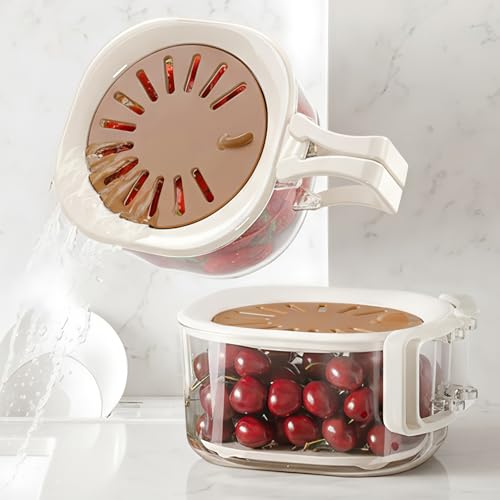
【Versatile in Use】This fruit draining basket is designed not just for washing but also for soaking, straining, rinsing, and storing various foods. The bowl can be directly used as a salad container. Its compact size makes it ideal for both kitchen use and outdoor picnics.

4 PACK FOOD CONTAINERS SETS: Fruit containers for fridge includes include 4 pack of large size 106 OZ (3.15L) + medium size 57 OZ(1.7L) +small size 27 OZ(0.8L) + mini size 13 OZ(0.38L). Various capacities perfect for most fruit, vegetable, lettuce, berry, cereal, meat, produce and other food storage. Perfect for most fridges, freezers, cupboards & drawers

【Versatile in Use】This fruit draining basket is designed not just for washing but also for soaking, straining, rinsing, and storing various foods. The bowl can be directly used as a salad container. Its compact size makes it ideal for both kitchen use and outdoor picnics.
Rinse Under Cold Water
- Gather Your Supplies: Get a colander or a large bowl. You’ll also need cold running water.
- Remove Bad Leaves: Before rinsing, pull off any wilted or damaged leaves. This improves overall freshness.
- Place Lettuce in Colander: Set the lettuce in a colander for better drainage.
- Rinse Thoroughly: Turn on cold water and rinse the lettuce under a gentle stream. Ensure water reaches all parts, especially crevices.
- Shake Off Water: After rinsing, gently shake the colander to remove excess water and allow the lettuce to drain.
- Fill a Bowl with Cold Water: Use a large bowl, filling it with cold, clean water.
- Submerge Lettuce: Place the lettuce into the bowl, ensuring it’s fully submerged.
- Agitate Gently: Move the lettuce around gently with your hands. This helps dislodge dirt and debris.
- Let it Sit: Allow the lettuce to soak for about 5 to 10 minutes. This process loosens any stubborn dirt.
- Lift Out Carefully: Remove the lettuce from the water without dumping the dirty water over it.
- Drain in Colander: Transfer the lettuce to a colander to drain off any remaining water.
Drying Lettuce Effectively
Drying lettuce properly ensures that your greens stay crisp and flavorful. Here are two effective methods.
Recommended Products

ABSORBENT COTTON: Made from 100% cotton, these Martha Stewart kitchen towels are absorbent for wiping up spills. They’re also great for drying and cleaning your dishes and glassware.
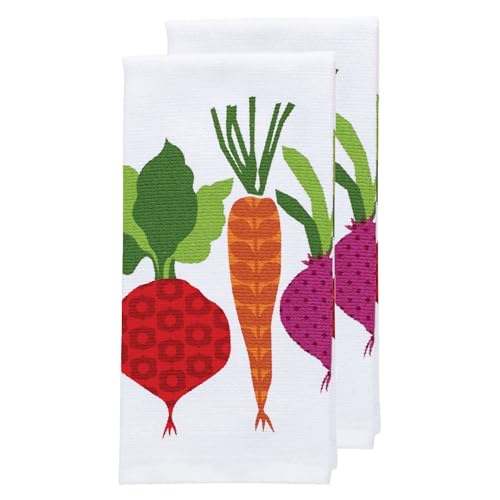
Plush 100% Cotton: Finely crafted towels with whimsical café, rustic, or garden-inspired designs that absorb moisture quickly yet stay durable for everyday kitchen use.
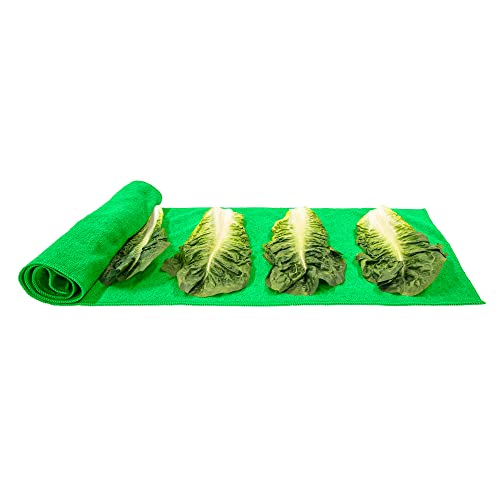
Ultra Absorbent Terry Weave Design: These soft microfiber towels with a terry weave are 12 x 42 inches and absorb excess water quickly, leaving lettuce, spinach, and herbs fresh, crisp, and ready to enjoy after every rinse
Using a Clean Kitchen Towel
- Choose a Clean Towel: Start with a clean kitchen towel. This prevents reintroducing contaminants to your lettuce.
- Place the Lettuce on the Towel: Spread your washed lettuce across the towel in a single layer.
- Roll the Towel: Roll the towel tightly around the lettuce. This action allows the towel to absorb excess moisture.
- Gently Pat and Squeeze: Pat the wrapped lettuce gently using your hands. If necessary, squeeze lightly to extract more water.
- Unroll the Towel: Unroll the towel and remove the lettuce. You should notice it’s significantly drier.
- Use a Colander: After washing, transfer the lettuce to a colander. Allow it to drain efficiently.
- Shake Gently: Give the colander a gentle shake to loosen any trapped water. Avoid vigorous shaking to prevent bruising the leaves.
- Set Aside for a While: Let the colander sit for about 10 to 15 minutes. The airflow helps evaporate remaining water.
- Optional: Use a Fan: For faster drying, position a small fan nearby. The circulating air speeds up the drying process significantly.
Both methods provide effective options for drying lettuce without needing a salad spinner. Using these techniques helps maintain the texture and freshness of your salad greens.
Tips For Best Results
- Use Cold Water
Start with cold, clean water to wash your lettuce. Cold water helps to maintain the crispness of the greens while effectively removing dirt and contaminants. - Soak, Don’t Scrub
Place the lettuce in a bowl of cold water. Let it soak for about 5-10 minutes. This soaking method loosens dirt and allows it to settle at the bottom. - Swish Gently
After soaking, gently swish the lettuce leaves in the water. Avoid excessive agitation, which can bruise the leaves. - Rinse Thoroughly
Remove the lettuce and rinse each leaf under cold running water. This ensures any remaining dirt or pesticides wash away. - Pat Dry with a Clean Towel
After rinsing, use a clean kitchen towel to pat each leaf dry. This method absorbs moisture without damaging the leaves, keeping them crisp. - Use a Colander for Draining
If you prefer, place rinsed lettuce in a colander. Allow it to drain for several minutes. This step helps reduce moisture before patting dry. - Store Properly
Once dried, store your lettuce wrapped in a clean towel in a container. This keeps it fresh longer by absorbing any residual moisture. - Check for Brown Spots
Before washing, check for any damaged or brown spots. Remove any wilted or bruised leaves to ensure you’re washing only the freshest portions.
By incorporating these simple steps, you’ll achieve the best results in washing and drying your lettuce, ensuring it stays fresh and safe for your meals.
Conclusion
Washing and drying your lettuce doesn’t have to be a hassle. With just a few simple steps you can ensure your greens are clean and ready to enjoy. Remember to soak and swish the leaves to remove any lingering dirt and bacteria.
Patting them dry with a clean towel or letting them drain in a colander works wonders too. By taking the time to properly prepare your lettuce you’re not only enhancing its taste but also keeping your meals safe and healthy. So next time you’re in the kitchen grab that lettuce and follow these tips for a fresh and delicious salad.
Frequently Asked Questions
What is the best way to wash lettuce?
To wash lettuce effectively, soak it in cold water to loosen dirt. Gently swish the leaves, then rinse thoroughly under running water. Make sure to check for any brown spots and remove them before washing.
Why is washing lettuce important?
Washing lettuce removes dirt, pesticides, and harmful bacteria that can cause foodborne illnesses. The CDC warns that unwashed lettuce may carry dangerous pathogens, so proper washing is essential for food safety.
Do I need a salad spinner to dry lettuce?
No, a salad spinner is not necessary. After washing, you can pat the lettuce dry with a clean towel or let it drain in a colander. This helps remove excess moisture without any special equipment.
How can I store properly washed lettuce?
After washing and drying, store lettuce in a clean, dry container in the refrigerator. Use paper towels to absorb excess moisture. This helps keep the lettuce fresh longer and reduces spoilage.
How do I know if my lettuce is fresh?
Check lettuce for vibrant green leaves and a crisp texture. Avoid any heads with brown spots or wilting, as these indicate spoilage. Fresh lettuce should feel firm and look lively to ensure quality.
