

Have you ever looked at your water lettuce and wondered if it’s time for a trim? Keeping this beautiful floating plant healthy can be a challenge, especially when it starts to take over your pond or aquarium. You’re not alone—many plant lovers face the same issue.
Key Takeaways
- Understanding Water Lettuce: Recognize water lettuce’s rapid growth, distinctive leaf structure, and environmental preferences to manage it effectively in your pond or aquarium.
- Trimming Benefits: Regular trimming helps prevent overgrowth, encourages healthy growth by allowing light penetration, improves aesthetics, and boosts oxygen levels for aquatic life.
- Essential Tools: Equip yourself with gardening shears, a net, a bucket, gloves, and, when necessary, an aquatic rake or pruning saw to ensure efficient trimming.
- Step-by-Step Trimming: Prepare your tools, focus on removing unhealthy leaves, trim gently, and maintain water quality post-trimming to support the health of your water lettuce.
- Avoid Common Mistakes: Prevent over-trimming to avoid plant stress and ensure water quality is maintained to foster a thriving aquatic ecosystem. Regular monitoring of nutrient levels is key for optimal growth.
Understanding Water Lettuce
Water lettuce is a floating plant that thrives in warm, still waters. It features broad, soft leaves that can range from light green to blue-green hues. This plant grows quickly, forming large colonies that can cover the water’s surface.
Characteristics of Water Lettuce
- Leaf Structure: Water lettuce has rosette-shaped leaves that resemble lettuce heads, with each leaf measuring 4 to 12 inches long.
- Roots: Long, hair-like roots dangle beneath the leaves, providing nutrients and anchoring the plant in the water.
- Growth Habit: Water lettuce propagates through runners, creating new plants quickly, which can lead to overpopulation in your pond or aquarium.
- Adaptability: This plant grows in various conditions but prefers warm temperatures between 70°F and 90°F (21°C to 32°C).
- Prevent Overgrowth: Regular trimming helps control the water lettuce population, maintaining balance in your aquatic environment.
- Encourage Healthy Growth: Removing excess foliage allows more light to reach the water’s surface, promoting healthier plants and reducing algae growth.
- Improve Aesthetics: A well-trimmed water lettuce setup looks more organized and appealing, enhancing the overall beauty of your pond or aquarium.
- Boost Oxygen Levels: Trimming dead or yellowing leaves can improve oxygen levels in the water, benefiting fish and other aquatic life.
Tools Needed for Trimming
Trimming water lettuce effectively requires specific tools. The right equipment makes the process easier and more efficient.
Recommended Products
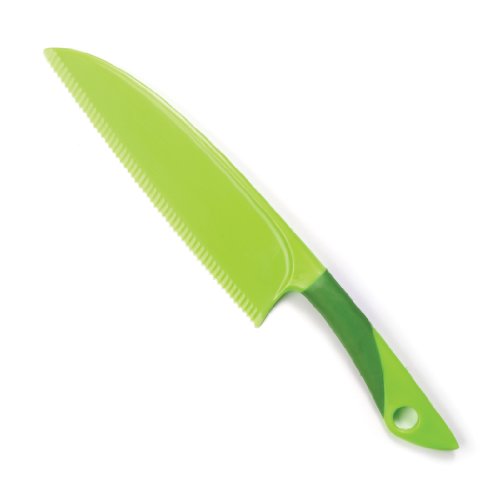
Non-slip, soft grip handle

* 【Pressure Control】: The unique design allows you to control the pressure applied during thinning; pressing further back reduces force while pressing forward increases it, providing precision in your work
Essential Tools for Successful Trimming
- Gardening Shears: Use sharp gardening shears for clean cuts. They help prevent damage to the plant and ensure a healthy trim.
- Net or Scoop: A net or scoop allows you to lift water lettuce from the water gently. This tool minimizes splashing and maintains water quality.
- Bucket: A bucket is necessary for collecting trimmed leaves and plants. Proper disposal prevents overgrowth and keeps your aquatic environment tidy.
- Gloves: Wear gloves for protection, especially if handling large quantities. Gloves also prevent skin irritation from any debris or algae.
- Aquatic Rake: An aquatic rake helps remove excess debris from the pond or aquarium. This tool promotes better growth conditions for your water lettuce.
- Pruning Saw: Use a pruning saw for larger clumps of water lettuce. It provides more power for trimming when shears aren’t sufficient.
- Water Testing Kit: A water testing kit monitors nutrient levels. Maintaining balanced nutrients supports your water lettuce’s health.
- Spray Bottle: A spray bottle filled with fresh water can help keep the leaves hydrated during trimming. It reduces stress on the plants.
Step-by-Step Guide on How to Trim Water Lettuce
Trimming water lettuce keeps your aquatic environment healthy and vibrant. Follow these steps for effective trimming.
Preparing to Trim
Before trimming, gather all necessary tools. Collect gardening shears for cutting. Use a net or scoop to catch trimmed pieces. Fill a bucket for collecting leaves. Wear gloves for protection. Optionally, keep an aquatic rake on hand for debris. A pruning saw helps with larger clumps. Use a water testing kit to monitor nutrient levels, and a spray bottle can hydrate leaves during the process. Ensuring all tools are ready simplifies the task.
Trimming Techniques
Start by examining your water lettuce. Focus on removing dead or yellowing leaves, which often indicate stress. Use your gardening shears to cut stems close to the base. Target clumps that seem overcrowded; reducing these promotes growth. If the plants are large, approach a few at a time to avoid overwhelming the environment. After cutting, use the net to remove debris and excess leaves, ensuring clean water. Always trim in the early morning or late afternoon to minimize plant shock.
Post-Trimming Care
After trimming, check your water quality. Assess nutrient levels with your testing kit to ensure optimal conditions. If necessary, adjust the water’s pH or nutrient levels. Refill your water source as needed to maintain stable conditions. Monitor your plants for a week after trimming; look for signs of recovery and growth. Hydrate your water lettuce using the spray bottle if it shows signs of wilting. Keeping an eye on your aquatic plants supports their health and vitality.
Common Mistakes to Avoid
Trimming water lettuce can enhance your aquatic environment, but it’s essential to avoid certain mistakes during the process.
Over-Trimming Water Lettuce
Over-trimming can harm your plants. Removing too many leaves stresses the water lettuce, leading to its decline. Focus on trimming only the unhealthy or overcrowded leaves. Aim to leave enough healthy foliage to maintain robust growth. Consider leaving at least 50% of the plant mass intact. This approach encourages recovery and sustains the plant’s vitality.
Neglecting Water Quality
Neglecting water quality can create problems for your water lettuce. Poor water conditions after trimming may cause further stress. Test the water for pH, nitrogen, and phosphorus levels before and after trimming. Keep the pH between 6.0 and 7.5 for optimal growth. If you notice imbalanced nutrient levels, adjust accordingly to prevent damage to the plants. Regular monitoring promotes a healthy aquatic system overall.
Conclusion
Trimming water lettuce doesn’t have to be a daunting task. With a little care and attention you can keep your plants thriving and your aquatic environment balanced. Remember to be gentle during the trimming process and always prioritize the health of your plants.
By regularly checking water quality and maintaining proper nutrient levels you’ll create a flourishing habitat for your water lettuce. Enjoy the beauty and benefits of these lovely plants while ensuring they stay healthy and vibrant in your pond or aquarium. Happy gardening!
Frequently Asked Questions
What is water lettuce and its benefits?
Water lettuce is a floating aquatic plant known for its rapid growth and ability to improve water quality. It provides shade, reduces algae growth, and offers habitat for aquatic life, making it ideal for ponds and water gardens.
How do I trim water lettuce effectively?
To trim water lettuce, first remove any stressed or yellowing leaves. Then, prune overcrowded clumps to promote healthy growth. Aim to leave enough green foliage intact and ensure you maintain balanced water conditions post-trimming.
What common mistakes should I avoid when trimming water lettuce?
Avoid over-trimming, as it can weaken the plant. Also, don’t neglect water quality; high ammonia levels or low oxygen could harm your water lettuce. Always check the plant’s health before pruning.
How important is post-trimming care for water lettuce?
Post-trimming care is essential to ensure that water lettuce continues to thrive. Regularly test water quality, adjust nutrient levels, and monitor for stress signs to maintain a healthy environment after trimming.
How often should I trim water lettuce?
You should trim water lettuce every few weeks or as needed, depending on its growth rate. Regular trimming helps prevent overcrowding and maintains the overall health of the plant and aquatic ecosystem.
