

Have you ever harvested a bunch of fresh lettuce only to watch it wilt away in your fridge? It’s frustrating to see your hard work go to waste. Storing garden-fresh lettuce can be tricky, but it doesn’t have to be.
Key Takeaways
- Proper Storage is Key: Storing garden-fresh lettuce correctly preserves its crisp texture and enhances flavor, reducing food waste.
- Ideal Temperature: Keep refrigerator settings between 32°F and 36°F to maximize freshness and longevity of lettuce.
- Use Breathable Containers: Opt for breathable storage solutions like perforated plastic bags or containers with breathable lids to maintain moisture control and air circulation.
- Avoid Washing Before Storage: Wait to wash lettuce until just before use to minimize moisture that can cause wilting or decay.
- Keep Away from Ethylene Producers: Store lettuce separately from ethylene-releasing fruits to prolong shelf life and maintain crispness.
- Regular Checks: Monitor stored lettuce regularly, removing any spoiled leaves to prevent contamination and extend freshness.
Importance Of Proper Storage
Proper storage of garden-fresh lettuce ensures its crispness and flavor retention. Storing lettuce correctly not only maximizes freshness but also reduces food waste. Understanding the significance of these practices can enhance your dining experience.
Benefits of Proper Storage
- Maintains Freshness: When you store lettuce properly, it keeps its crisp texture and vibrant color. Fresh lettuce retains its nutrients, providing better health benefits.
- Reduces Waste: Less spoilage means you throw away less food. This practice saves money and benefits the environment.
- Enhances Flavor: Lettuce stored correctly remains flavorful. A crisp, fresh salad enhances your meals and encourages healthy eating.
- Keep It Cool: Store lettuce in the refrigerator at a temperature of 32°F to 36°F. This temperature range preserves freshness.
- Use Appropriate Containers: Store lettuce in a breathable container like a produce bag or a salad spinner. Avoid sealed plastic bags, as these trap moisture.
- Moisture Control: Consider adding a paper towel inside the storage container. This absorbs excess moisture and helps prevent wilting.
- Check Regularly: Examine your lettuce every few days. Remove any damaged or wilted leaves to maintain the overall freshness.
These practices contribute to better-tasting salads and can lengthen the lifespan of your garden-fresh lettuce.
Best Methods For Storing Lettuce
Storing lettuce properly helps maintain its crispness and prolongs freshness. Here are the most effective methods for keeping your garden-fresh lettuce in top shape.
Recommended Products

Keep your produce fresh for longer: The PrepSolutions Lettuce Keeper keeps your produce fresh with an adjustable air vent and water reservoir, creating the ideal environment for fresh fruits and vegetables. Item measures 12.5" W x 7.25" D x 5.25" H and weighs 1.14 lbs.

𝐊𝐞𝐞𝐩𝐬 𝐕𝐞𝐠𝐞𝐭𝐚𝐛𝐥𝐞𝐬 𝐅𝐫𝐞𝐬𝐡 𝐋𝐨𝐧𝐠𝐞𝐫: The Home-X salad keeper for refrigerator is designed to preserve the freshness of lettuce, broccoli, cauliflower, and more. It creates an ideal cold, moist storage environment to help your vegetables stay crisp and fresh for longer periods.
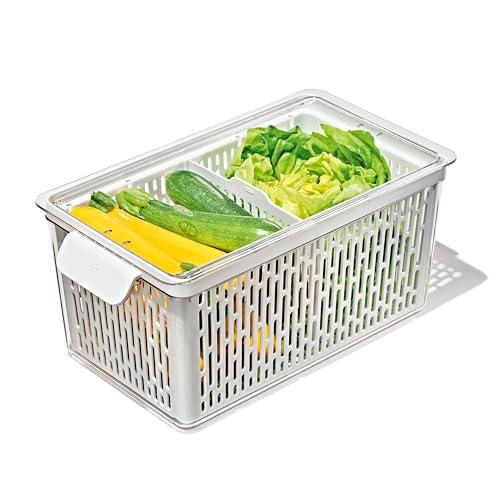
Fridge-friendly storage keeps produce fresh longer
Refrigeration Techniques
Refrigeration is essential for preserving lettuce. Set your refrigerator between 32°F and 36°F to create the ideal environment. Wrap your lettuce in a damp paper towel before placing it in the fridge. This moisture keeps the leaves hydrated without making them soggy. Check your lettuce every few days, removing any wilted or damaged leaves immediately to prevent spoilage.
Use of Plastic Bags
Using plastic bags can help add a layer of protection. Place your lettuce in a perforated plastic bag to allow for ventilation. This method reduces excess moisture, which can lead to decay. Don’t seal the bag completely; instead, leave it slightly open to keep air circulating. Store the bag in a crisper drawer for optimal freshness.
Container Storage
Container storage offers a sturdy option for maintaining lettuce. Choose airtight containers or containers with a breathable lid. Place a few paper towels at the bottom to absorb excess moisture and keep the lettuce crisp. Arrange the lettuce loosely without packing it tightly, allowing air to circulate. Store the container in the refrigerator and check it regularly for any signs of spoilage.
Common Mistakes To Avoid
Avoiding these common mistakes helps keep your garden-fresh lettuce crisp and delicious.
Washing Before Storage
Washing lettuce before storage can lead to excess moisture. Moisture promotes wilting and decay. Instead, wait until you’re ready to use the lettuce to wash it. If some dirt remains, a gentle rinse right before use works best.
Storing With Other Produce
Storing lettuce with certain fruits and vegetables can shorten its shelf life. Ethylene-producing fruits, like apples and bananas, accelerate the deterioration of lettuce. Keep lettuce separate in the refrigerator. This practice adds days to its freshness and maintains its crispness.
Shelf Life Expectations
Understanding the shelf life of garden-fresh lettuce helps you manage its freshness better. Fresh lettuce generally lasts about 7 to 10 days when properly stored in the refrigerator. The exact duration can vary based on the lettuce type and storage methods.
Leafy Lettuce Varieties
- Romaine: Lasts up to 10 days.
- Butterhead: Lasts about 7 days.
- Loose-Leaf: Stays fresh for 5 to 7 days.
- Iceberg: Can remain usable for 7 to 10 days.
Signs of Spoilage
You can gauge freshness by checking for specific signs. Look for:
- Wilting: Leaves lose their firmness.
- Brown Edges: Tips turn brown and mushy.
- Sliminess: Leaves become slick to the touch.
- Strong Odor: A pungent smell indicates decay.
- Refrigerate Immediately: Store harvested lettuce in the refrigerator right away.
- Use Moisture Control: Paper towels help absorb excess moisture and prevent spoilage. Replace them if they become too damp.
- Air Circulation: Store in perforated bags for ventilation, which keeps lettuce crisper.
By following these guidelines, you can enjoy fresh, crisp lettuce for as long as possible.
Conclusion
Storing your garden-fresh lettuce the right way can make all the difference in keeping it crisp and delicious. By following simple steps like proper refrigeration and moisture control you’ll enjoy that fresh taste longer. Remember to check for any damaged leaves and avoid common mistakes like washing before storage.
With a little care your lettuce can stay vibrant and full of nutrients ready to elevate your salads and sandwiches. So next time you harvest or buy lettuce take these tips to heart and savor that garden goodness for days to come. Happy gardening and enjoy your fresh greens!
Frequently Asked Questions
How should I store fresh lettuce to keep it fresh longer?
To store fresh lettuce, keep it in the refrigerator at 32°F to 36°F. Use breathable containers and control moisture levels by placing paper towels inside to absorb excess water. Avoid washing lettuce before storage, as this can introduce unwanted moisture.
What are the best containers for storing lettuce?
The best containers for storing lettuce are airtight or breathable containers. Perforated plastic bags can also help provide ventilation. Always add a damp paper towel to absorb moisture and keep the lettuce crisp.
How long does different lettuce types last in the fridge?
Romaine lettuce lasts up to 10 days, butterhead about 7 days, loose-leaf for 5 to 7 days, and iceberg for 7 to 10 days when stored properly in the refrigerator.
What signs indicate that lettuce has spoiled?
Signs of spoiled lettuce include wilting, brown edges, sliminess, and a strong odor. If you notice any of these signs, discard the lettuce to avoid consumption of spoiled produce.
Should I wash lettuce before storing it?
No, you should not wash lettuce before storing it. Washing adds moisture, which can lead to spoilage. Instead, store it dry and wash just before use.
