

Ever looked at your lettuce and wondered how to keep it fresh and thriving? You’re not alone! Many gardeners face the challenge of maintaining their leafy greens while wanting to enjoy a crisp salad.
Key Takeaways
- Understanding Growth Stages: Recognize the three key stages of lettuce growth: germination, leaf development, and maturity, to ensure optimal harvesting.
- Best Trimming Practices: Trim only the outer leaves and avoid cutting too much at once to promote continuous growth without shocking the plant.
- Essential Tools: Use sharp, clean scissors or snips for precise cuts and maintain plant health by using clean tools and watering cans.
- Post-Trimming Care: Maintain consistent watering and ensure adequate sunlight to support healthy regrowth after trimming.
- Pest and Disease Management: Regularly monitor for pests and diseases, maintaining good airflow and cleanliness to prevent health issues in your lettuce.
- Encouraging New Growth: Regular harvesting and proper trimming techniques increase overall yield, improve air circulation, and promote healthier plants.
Understanding Lettuce Growth
Lettuce grows through a process of germination, growth, and harvesting. It thrives in cool temperatures, ideally between 60°F and 65°F. You can extend its life in the garden by understanding its growth cycle.
Growth Stages
- Germination: Seeds sprout and develop roots. This stage takes about 7 to 14 days.
- Leaf Development: Leaves grow in a rosette pattern. You’ll notice rapid growth during this phase.
- Maturity: The plant reaches its full size, which can vary based on the variety. Most mature lettuce can be harvested between 45 to 70 days after planting.
Factors Influencing Growth
- Light: Lettuce needs 10 to 14 hours of sunlight daily. Too little light can lead to leggy growth.
- Water: Keep soil consistently moist. Water deeply once or twice a week, rather than light watering every day.
- Temperature: Lettuce prefers cooler conditions. High temperatures can cause bolting, where plants flower and go to seed.
Best Practices for Continued Growth
To encourage continuous growth after trimming:
- Trim Only Outer Leaves: Cut the outer leaves, leaving the inner leaves intact. This avoids shocking the plant and allows for continued growth.
- Use Clean Tools: Sterilize scissors or shears to prevent disease. Clean tools ensure healthy cuts.
- Harvest Regularly: Regular harvesting promotes new leaf growth. Aim to harvest once a week.
By understanding lettuce growth, you can make informed decisions to keep your plants healthy and thriving.
Importance of Proper Trimming
Proper trimming of lettuce plays a vital role in prolonging its growth and ensuring healthy leaves. Knowing how to trim effectively supports continued leaf production and enhances the overall flavor of your salad greens.
Recommended Products

K115 Crop Harvest Knife, 7.25-Inch Blade, is designed for trimming lettuce, greens, and soft-stemmed vegetables.

IDEAL GARDEN BASKET: Basket made of durable, plastic with multi-functional features to simplify collecting, transporting, and cleaning harvested produce or tools; Designed with two sets of handles for each user's preferred carry
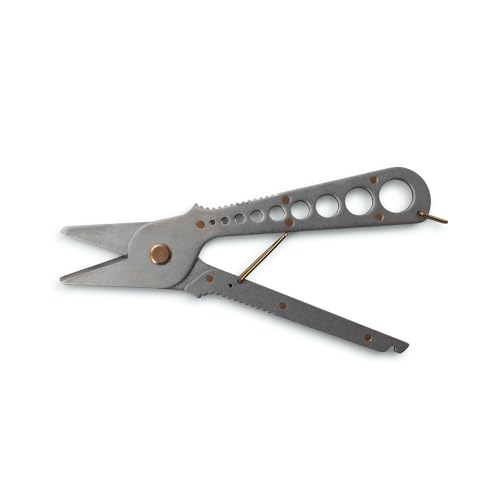
Versatile All-in-One Herb Tool: This pocket-sized implement is your ultimate herb harvesting and stripping solution. Trim your herbs with precision using the sharp scissors side and effortlessly clear and strip a variety of greens
Benefits of Trimming Lettuce
- Encourages New Growth: Trimming encourages lateral growth in lettuce plants, leading to a bushier appearance and more robust leaf development.
- Improves Air Circulation: Proper trimming allows better air circulation around the plants, which reduces the risk of diseases caused by moisture buildup.
- Increases Harvest Frequency: Regular trimming means you can enjoy multiple harvests from the same plant over time, maximizing the yield from limited garden space.
- Controls Pests: Keeping foliage well-trimmed helps to deter pests by eliminating hiding spots and promoting healthy plant vigor.
- Trimming Too Much: Avoid cutting off too many leaves at once. Focus on harvesting the outer leaves only, leaving the inner leaves to grow and flourish.
- Using Dirty Tools: Always use clean, sharp tools. Dirty tools can introduce bacteria and cause plant stress.
- Ignoring Plant Health: Pay attention to the overall health of the plant. Trim only when the plant appears vigorous and ready for harvest.
- Neglecting Timing: Trim during cooler parts of the day, preferably in the morning or late afternoon. This practice minimizes stress on the plants and helps preserve moisture.
Tools and Techniques for Trimming
Using the right tools and techniques ensures effective trimming, promoting healthy growth for your lettuce. Here’s what you need to know.
Recommended Products

Well-Designed & Easy-to-Use: These gardening scissors are built spring-loaded so that they automatically push themselves open without you having to do the work, significantly reducing hand fatigue

HERB GARDENING ESSENTIAL: Stainless steel blade plant shears with sheath ideal for harvesting herbs outdoors or with a window herb garden for kitchen; encourages overall lawn and garden health, or perfect gift to go with any indoor herb garden kit

DUAL CUTTING POWER: VERSATILE PRUNING COMBO --- With both Pruning Shears and Pruning Snip, this combo delivers unmatched versatility. Whether you're delicately trimming flowers and shrubs, tackling thicker tree branches, or tending to your vegetable and fruit garden, our combo pack excels in all areas. They're also perfect for landscaping projects and maintaining the health and appearance of indoor plants. With this pack, you have a versatile tool that simplifies your gardening tasks.
Recommended Tools
- Sharp Scissors
Use sharp scissors or kitchen shears. They provide clean cuts, reducing damage to the plant. - Garden Snips
Small garden snips work well for precise trimming in tight spaces. They’re great for delicate leaves. - Clean Cloth
Keep a clean cloth handy. Wiping tools before use prevents transferring diseases between plants. - Watering Can
A watering can aids in hydrating the lettuce after trimming. Proper moisture supports recovery. - Gloves
Wear gardening gloves. They protect your hands when handling plants, especially if you’re sensitive to sap.
- Choose the Right Time
Trim in the morning when plants are hydrated. This helps reduce stress on your lettuce. - Inspect the Plant
Look for outer leaves that are mature and healthy. Avoid trimming inner leaves, as they provide ongoing growth. - Make Clean Cuts
Use your scissors or snips to cut the outer leaves at the base. Aim to remove only one-third of the plant at a time. - Keep a Good Distance
Trim leaves an inch above the base to allow for regrowth. Avoid cutting too close, which can damage the plant. - Hydrate After Trimming
Water the lettuce lightly after trimming. This supports recovery and continues the growth process. - Monitor Growth
Check your lettuce regularly after trimming. Look for new growth and signs of health to ensure the plant thrives.
Following these tools and techniques for trimming lettuce promotes ongoing growth, securing a consistent supply of fresh leaves for your salads.
Post-Trimming Care
Post-trimming care is essential to keep your lettuce growing strong after you’ve trimmed it. Following the right practices helps ensure that your plants remain healthy and productive.
Recommended Products

Protect your oasis with 3 garden products in 1 from Captain Jack’s; Bonide Captain Jack’s Ready-to-Use Neem Oil spray for plants is a multi-purpose fungicide, insecticide and miticide for your lawn & garden

FUNGAL DISEASE CONTROL: Prevents and controls black spot on roses, powdery mildew, rust, downy mildew, and other listed fungal diseases when applied on a 7–14 day schedule

PLANT DISEASE CONTROL: Natria Neem Oil acts as an insecticide and fungicide in one convenient spray; Ready-to-use trigger sprayer requires no mixing
Watering and Light Requirements
Water your lettuce consistently to maintain moisture. Aim for about 1 to 1.5 inches of water per week, adjusting according to weather conditions. Water in the morning to minimize evaporation, allowing plants to absorb moisture throughout the day.
Provide adequate light by placing your lettuce in a location that receives at least 12 hours of sunlight daily. If indoor, use grow lights to supplement natural light, especially for younger plants. Adjust light intensity or duration based on growth stages, ensuring your lettuce gets the bright light it needs for healthy regrowth.
Pest and Disease Management
Monitor your lettuce regularly for pests like aphids, slugs, and caterpillars. Use sticky traps or neem oil to deter these unwanted guests. Inspect the underside of leaves for eggs or larvae to catch problems early.
Prevent disease by maintaining good airflow around your plants. Avoid overhead watering, which can lead to fungal issues. Remove any yellow or wilting leaves immediately to reduce the risk of infection. Keeping your growing area clean also helps minimize disease spread. Use clean gardening tools to avoid introducing pathogens and ensure strong, healthy crops.
Conclusion
By following these tips for trimming and caring for your lettuce you can enjoy a continuous supply of fresh greens. Remember to be gentle when harvesting and always prioritize the health of your plants. With the right tools and techniques you’ll encourage new growth and keep your lettuce thriving.
Stay attentive to watering and light needs to ensure your lettuce remains crisp and delicious. Regular monitoring for pests and diseases will help you maintain a healthy garden. With a little patience and care your lettuce can be a reliable source of fresh salads for many meals to come. Happy gardening!
Frequently Asked Questions
How long does it take for lettuce to grow from seed to harvest?
Lettuce typically takes about 45 to 70 days from planting to harvest. Germination occurs within 7 to 14 days, followed by rapid leaf development.
What temperature is best for growing lettuce?
Lettuce thrives in cooler temperatures, ideally between 60°F and 65°F. These temperatures promote healthy growth and maintain the crispness of the leaves.
How should I trim my lettuce for continued growth?
Trim only the outer leaves to encourage new growth, using clean tools. Make sure to inspect for mature leaves and avoid cutting too many at once.
How often should I water my lettuce?
Lettuce needs about 1 to 1.5 inches of water per week. Regular watering supports growth and helps keep the leaves crisp.
What tools are best for trimming lettuce?
Sharp scissors or kitchen shears work well for clean cuts, while small garden snips offer precision. Always ensure tools are clean to prevent disease.
How can I prevent diseases and pests in my lettuce?
Monitor regularly for pests, ensure good airflow around plants, avoid overhead watering, and use clean tools to reduce the risk of diseases.
What lighting conditions do lettuce plants require?
Lettuce needs at least 12 hours of sunlight daily. If growing indoors, consider using grow lights to provide adequate lighting for optimal growth.
