

Ever wondered why your carrot seedlings aren’t thriving as they should? Picture this: delicate green shoots struggling to reach the sunlight, overcrowded and gasping for space. You’re not alone in facing this common gardening dilemma. But fret not, as we’ve got your back!
Importance of Thinning Carrot Seedlings
When it comes to thinning carrot seedlings, it’s more than just a gardening chore. Proper thinning plays a vital role in ensuring the healthy growth of your carrots. Here’s why it’s important:
- Promotes Optimal Growth: By thinning your carrot seedlings, you give each plant enough room to develop robust roots and access essential nutrients from the soil.
- Prevents Competition: Carrot seedlings placed too closely together will have to compete for resources like water and sunlight. Thinning helps reduce competition among plants, allowing each one to thrive.
- Aids in Disease Prevention: Overcrowded seedlings are more susceptible to diseases as air circulation around plants is limited. Thinning provides better airflow, reducing the risk of issues like fungal infections.
Remember, thinning your carrot seedlings may seem like a small task, but the rewards it offers in terms of healthier plants and a plentiful harvest are definitely worth the effort.
When to Thin Carrot Seedlings
When your carrot seedlings reach around 2 inches in height, it’s time to start thinning them. Here’s why knowing when to thin your carrot seedlings is vital:
- Early thinning ensures each plant has enough space to develop strong roots.
- Delaying thinning can lead to overcrowding, affecting the growth of your crop.
Thinning your carrot seedlings at the right time sets the stage for robust growth and healthier plants.
How to Identify Which Seedlings to Remove
When thinning your carrot seedlings, it’s essential to remove the weaker seedlings to allow the stronger ones to thrive. Here’s a simple guide to help you identify which seedlings to remove:
- Look for Seedlings That Are Spindly or Pale: These are often weaker and may not develop into healthy plants.
- Choose Seedlings with Thicker Stems: Sturdier stems indicate stronger plants that are likely to grow well.
- Inspect the Leaves: Seedlings with small or misshapen leaves may not be as robust as others.
- Consider the Spacing: Aim to leave about 1 to 2 inches between the remaining seedlings for optimal growth.
- Check for Pests or Diseases: Remove any seedlings that show signs of pest damage or disease to protect the rest.
By removing the right seedlings early on, you give the remaining plants the best chance to flourish and produce a bountiful harvest.
Recommended Products

HELPING YOU GARDEN BETTER: Get ready for a huge harvest from your vegetable garden! Inspired by the Square Foot Gardening method, our patented seed-spacing template is fun for all ages and experience levels.

Package Details: You will get 1 mini seeder set, which includes 4 pieces of seeders, 2 pieces of shovels and 5 pieces of boxes, fully equipped, which can well improve your sowing efficiency.

True Gourmet Baby Carrots: Unlike shaved-down grocery store versions, Little Finger is a true miniature carrot bred for size and taste. Each root grows to about 4 inches long, with a blunt tip and sweet, crisp flavor—ideal for roasting whole or serving with elegant greens intact.
Step-by-Step Guide to Thinning Carrot Seedlings
Thin carrot seedlings to give enough space, sunlight, and nutrients to the healthiest ones.
- Timing
- Thin seedlings when they’re 2-3 inches tall, ideally within 2-3 weeks after germination.
- Identify Weak Seedlings
- Look for spindly or pale seedlings with small leaves.
- Choose Strong Seedlings
- Keep the ones with thicker stems and vibrant green leaves.
- Tools
- Use small scissors or pinching to remove excess seedlings.
- How to Thin
- Hold the seedling at the base and gently pull it out or cut it at the soil level.
- Spacing
- Maintain a 1-2 inch distance between remaining seedlings.
- Avoid Disturbance
- Be gentle to prevent damaging neighboring seedlings.
- Dispose Removed Seedlings
- Compost or discard them away from your garden.
- Aftercare
- Water the remaining seedlings lightly to reduce transplant shock.
- Monitor Growth
- Keep an eye out for signs of pests or diseases in remaining plants.
- Final Thinning
- Repeat the process if seedlings still seem overcrowded.
Remember, thinning carrot seedlings is a vital step in ensuring a bountiful harvest.
Recommended Products

PRECISION SEED SPACING TOOL The Plant Ruler helps gardeners create evenly spaced planting rows for seeds and seedlings, supporting healthier root development and organized vegetable gardens.

【DURABLE - LONG TIME USE】 These seed planter tools are made with high quality materials. You can use them long time.
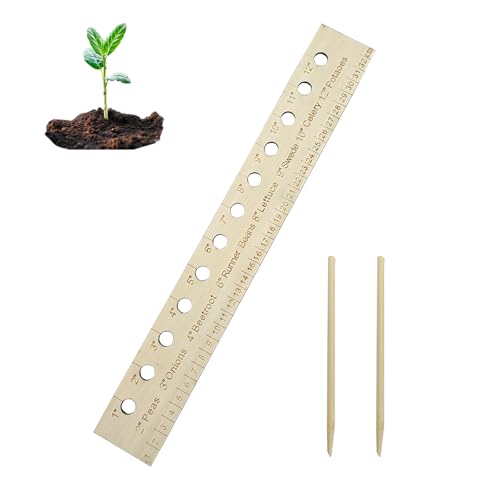
1. Precise Planting and Spacing: This seed spacer and planting ruler ensures accurate and consistent spacing for your vegetable gardens and yard, promoting healthy plant growth.
Common Mistakes to Avoid When Thinning
- Waiting Too Long:
- Thinning seedlings promptly ensures healthy growth.
- Over-Thinning:
- Removing too many seedlings can hinder successful growth.
- Not Thinning Enough:
- Leaving overcrowded seedlings can lead to competition for resources.
- Disturbing Healthy Seedlings:
- Carelessness can damage the thriving plants you aim to keep.
For a successful thinning process, it’s crucial to strike a balance and handle the delicate seedlings with precision.
Conclusion
Thinning carrot seedlings is a delicate task that requires precision and care to avoid common mistakes that can hinder their growth. By striking a balance during the thinning process, you ensure that each seedling has the space and resources it needs to thrive. Remember, it’s crucial to handle the seedlings gently to prevent damage and maintain their health. With the right approach, you’ll set the stage for a successful growth journey for your carrot seedlings. Happy gardening!
Frequently Asked Questions
What are the common mistakes to avoid when thinning carrot seedlings?
When thinning carrot seedlings, common mistakes to avoid include waiting too long before thinning, over-thinning by removing too many seedlings, not thinning enough which can lead to stunted growth, and disturbing healthy seedlings during the thinning process.
Why is striking a balance during the thinning process important?
Striking a balance during the thinning process is crucial to ensure healthy growth of the remaining seedlings. It helps prevent competition for resources such as sunlight, water, and nutrients, allowing the seedlings to thrive and develop properly.
How important is precision and care during the thinning process?
Precision and care are essential during the thinning process to avoid damaging the delicate seedlings. Proper handling ensures that the remaining seedlings are not harmed and have the best chance at healthy growth without setbacks.
