

Ever wondered why your tomato plants aren’t thriving as expected? Picture this: you diligently water your garden, but those once vibrant tomato plants now look droopy and lackluster. How can you tell if they’re getting too much of a good thing?
In this article, you’ll uncover the subtle signs that indicate your tomato plant might be drowning in water. By recognizing these signals early on, you’ll be equipped to adjust your watering routine and save your precious plants from overhydration woes. Stay tuned to learn how to assess the health of your tomato plants with just a keen eye and a little know-how.
Key Takeaways
- Understanding the signs of adequate watering for tomato plants, including firm leaves and regular growth.
- Identifying visual symptoms of overwatering like yellow or brown spots on leaves and mushy stems.
- Preventing overwatering by establishing a proper watering schedule and selecting well-draining soil and containers.
- Immediate actions to take if you suspect overwatering, such as adjusting watering frequency and improving drainage.
- Long-term recovery strategies for helping tomato plants recover from overwatering, including pruning regularly and monitoring soil moisture levels.
Understanding Tomato Plant Water Needs
To ensure your tomato plants thrive, it’s essential to grasp their water requirements. Here’s how you can gauge and address the watering needs of your tomato plants effectively.
Signs of Adequate Watering
- Firm leaves and stems
- Vibrant green color in leaves
- Regular growth with no stunted development
Consequences of Overwatering and Underwatering
Overwatering:
- Wilting despite moist soil
- Yellowing lower leaves
- Root rot leading to plant decline
- Droopy or wilted appearance
- Dry, crispy leaves
- Slow growth or fruit production
How to Tell if a Tomato Plant is Overwatered
When caring for your tomato plants, it’s essential to be able to identify signs of overwatering. Here are some key indicators that can help you determine if your tomato plant is getting too much water:
Recommended Products
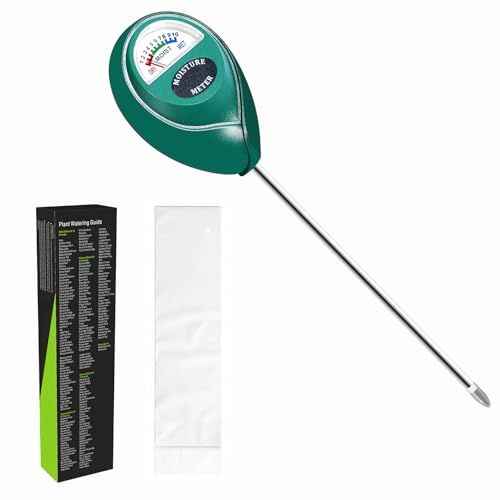
Trusted Since 2015: Become one of the many plant lovers who rely on the proven accuracy of XLUX. Established in 2015, our soil moisture meter has earned over 60,000+ verified ratings for its consistent performance. While many many newer brands come and go, we provide the long-term reliability and quality that American households have trusted for over a decade.

Accurate Soil Moisture Detection: The XLUX Soil Moisture Meter can tell you if the soil deep inside your pot or garden is dry, moist or wet; whereas your eyes and fingers can only determine the moisture level of the soil surface. The probe is 5.5 inches (14 cm) longer than regular styles, allowing it to measure the soil moisture at the bottom of larger and deeper flower pots.
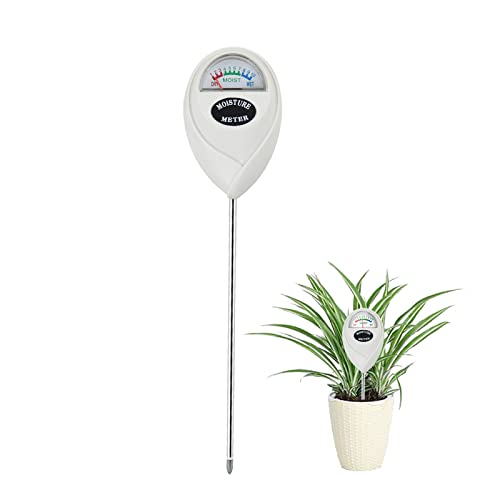
【SAVE YOUR PLANTS】: Over watering can cause problems with your plants or even kill them. This soil moisture meter helps you know the soil is dry, moist or wet.No more over watering!
Visual Symptoms in Leaves
Watch out for leaves that appear yellow or have brown spots. These discolorations can signal overwatering as the roots may be struggling due to excessive moisture. Additionally, if the leaves feel mushy or soft to the touch, it could be a sign of overhydration.
Changes in the Stem and Roots
Inspect the stems and roots of your tomato plant. If you notice a foul smell emanating from the soil, it might indicate root rot caused by overwatering. Mushy stems or blackened roots are also red flags that suggest excess water in the plant’s system.
Differences in Fruit Production
Keep an eye on how your tomato plant is producing fruit. Overwatering can lead to fewer fruits or fruits that are smaller than usual. If you observe issues like cracked or split fruits, it could be a result of inconsistent watering practices, including overwatering.
By paying attention to these visual cues in leaves, stem, roots, and fruit production, you’ll be better equipped to recognize when your tomato plant is receiving too much water. Adjusting your watering schedule accordingly can help prevent further damage and promote healthier growth for your plants.
Preventing Overwatering
To ensure your tomato plants thrive, it’s crucial to prevent overwatering. Here are some key strategies to help you maintain the right balance of moisture for healthy plant growth.
Recommended Products
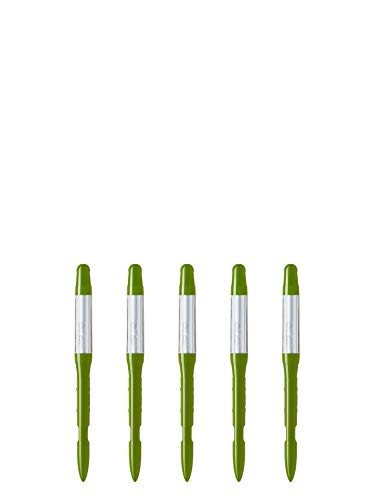
Dimensions: 0.4 x 0.3 x 4.7 inches (small) - Intended for pot sizes of 2, 2.5, and 3 - Ideal for small succulents

✔️Accurate - A helpful tool of water meter for indoor plants which senses the moisture in the soil around plants. No more guess if the plant needs more or less water
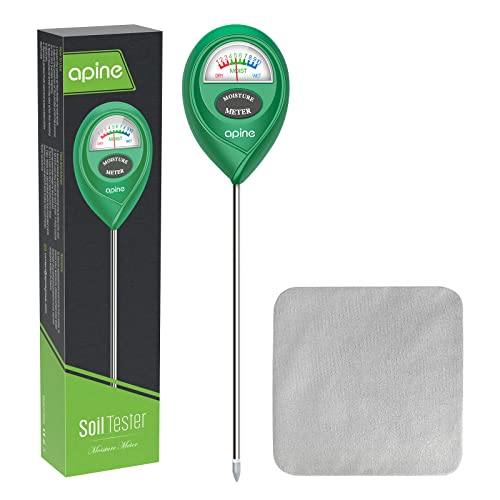
Quick Measurement:Just insert the probe of the plant water meter into the soil about two to four inches,wait a few seconds,you can get the soil moisture immediately.The color division of the dial is simple and clear,and the elderly can easily use it
Proper Watering Techniques
When watering your tomato plants, remember that consistency is key. It’s essential to establish a regular watering schedule based on the plant’s needs and environmental conditions. Ensure that you water deeply but less frequently to encourage strong root development. A good practice is to check the soil moisture level before watering by inserting your finger into the soil up to an inch deep; if it feels dry, it’s time to water.
Choosing the Right Soil and Container
Selecting the appropriate soil and container can also play a significant role in preventing overwatering. Opt for well-draining soil mixtures specifically designed for tomatoes, as they allow excess water to flow out easily. Additionally, pick containers with drainage holes at the bottom to prevent water from accumulating around the roots. This setup helps maintain proper moisture levels in the soil and reduces the risk of overwatering issues.
By following these guidelines on proper watering techniques and selecting suitable soil and containers, you can effectively prevent overwatering your tomato plants and promote their overall health and productivity.
Troubleshooting Overwatered Tomato Plants
Recommended Products

【4 in 1 function】This is a 4-in-1 multifunctional soil tester.Our soil tester fastly to measure soil moisture, pH, temperature and sunlight to help you take better care of flowers and plants.You can know when you need to water your soil by measuring moisture and pH & Temperature value of the soil and sunlight level of plants with it.

Kindly NOTE: This soil tester can not be applied to test pH value of any other liquid. If the soil is too dry the indicator will not move, and water it before testing.

Accurate Soil Moisture Detection: The XLUX Soil Moisture Meter detects deep soil moisture in pots or gardens (dry/moist/wet), unlike eyes or fingers that only sense surface soil.
Immediate Steps to Take
If you suspect your tomato plants are overwatered, there are immediate actions you can take to help them recover. Here’s what you can do:
- Assess Soil Moisture: Check the soil moisture level by inserting your finger into the soil up to 2 inches. If it feels soggy or waterlogged, it’s a sign of overwatering.
- Adjust Watering Frequency: Reduce watering frequency immediately to allow the soil to dry out slightly between waterings.
- Improve Drainage: Ensure proper drainage by repotting your tomato plant in well-draining soil or adding perlite to the existing mix.
- Increase Air Circulation: Place a fan near your plants to enhance air circulation and prevent excess moisture buildup.
Long-Term Recovery Strategies
To help your tomato plants recover from overwatering and prevent future issues, consider these long-term strategies:
- Establish a Watering Schedule: Create a consistent watering schedule based on your plant’s needs and environmental conditions.
- Monitor Soil Moisture: Use a moisture meter or regularly check soil moisture levels using the finger test to avoid overwatering.
- Choose Suitable Containers: Opt for containers with drainage holes to ensure excess water can escape easily.
- Prune Regularly: Remove any diseased or damaged foliage to improve air circulation around the plant and reduce the risk of fungal infections due to excess moisture.
By following these immediate steps and implementing long-term recovery strategies, you can effectively address overwatering issues in your tomato plants and promote healthier growth for a bountiful harvest.
Conclusion
You’ve now learned how crucial it is to recognize the signs of overwatering in your tomato plants. By understanding the visual cues and symptoms, you can take proactive steps to adjust your watering practices and save your plants from potential harm. Remember, healthy tomato plants thrive when their water needs are met just right. Keep an eye out for those key indicators we discussed and make the necessary adjustments to ensure your tomatoes flourish. With the knowledge gained from this article, you’re well-equipped to maintain optimal soil moisture levels for your tomato plants, promoting their overall well-being and productivity. Happy gardening!
Frequently Asked Questions
How can I recognize signs of overwatering in my tomato plants?
Overwatering signs in tomato plants include wilting, yellowing leaves, root rot, and slow growth. Adjust watering frequency to prevent overhydration.
What are the consequences of overwatering tomato plants?
Overwatering can lead to wilting, root rot, nutrient leaching, and reduced fruit production. Monitor soil moisture levels regularly.
How do I address overwatering issues in my tomato plants?
To address overwatering, assess soil moisture levels, adjust watering routines, improve drainage, and increase air circulation around the plants.
What immediate steps should I take if I suspect overwatering in my tomato plants?
If you suspect overwatering in your tomato plants, check soil moisture levels immediately. Adjust watering frequency and improve drainage as needed.
How can I prevent overwatering in my tomato plants?
Prevent overwatering by establishing a regular watering schedule based on plant needs. Use well-draining soil and containers to avoid waterlogging roots.
What are some long-term strategies to recover from overwatered tomato plants?
Long-term recovery involves establishing a suitable watering schedule, monitoring soil moisture consistently, selecting appropriate containers for better drainage, and implementing regular pruning practices for healthier plant growth.
