

Have you ever dreamed of growing juicy, ripe tomatoes right in the comfort of your own home, regardless of the season? Picture this: it’s a snowy winter day outside, but inside, you’re surrounded by flourishing tomato plants ready to yield delicious fruits. If you’ve encountered challenges with starting tomato seeds indoors or struggled to provide adequate light for their growth, fret not – we’ve got you covered.
In this article, we’ll guide you through the process of starting tomato seeds indoors using grow lights. By following our simple steps and tips, you’ll learn how to set up your indoor garden for success and ensure your tomato seedlings receive the light they need to thrive. Say goodbye to limited gardening seasons and hello to fresh tomatoes all year round with this insightful guide at your fingertips.
Key Takeaways
- Choose the right tomato seeds based on variety and quality for a successful indoor garden.
- Essential supplies for starting tomato seeds indoors with grow lights include different types of grow lights, seed starting trays, biodegradable seed pots, seed starting mix, and humidity domes.
- Properly set up grow lights by positioning them 2-3 inches above the seedlings to provide adequate light for germination and growth.
- When planting tomato seeds, ensure to keep the soil consistently moist but not waterlogged to prevent damping off disease.
- Monitor light exposure for your indoor tomato seedlings by adjusting the height of grow lights as needed and aim for around 14-16 hours of light per day.
- Troubleshoot common problems like managing diseases and pests, checking seed quality, and maintaining optimal temperature and moisture levels for successful germination.
Choosing the Right Tomato Seeds
When starting your indoor tomato garden, selecting the right tomato seeds is crucial for a successful harvest. Here’s how you can make the best choices:
Consider the Variety
When choosing tomato seeds for indoor planting, consider the variety that suits your preferences and space. Determinate tomatoes are compact and suitable for smaller indoor gardens, while indeterminate varieties grow tall and require more vertical space. Cherry tomatoes are great for snacking, while beefsteak tomatoes are perfect for slicing in salads.
Evaluate Seed Quality
Ensure you select high-quality tomato seeds to increase germination success rates. Look for reputable seed suppliers or stores that offer fresh seeds with a high germination rate. Check the seed packet for information on viability and storage instructions to ensure optimal growth conditions.
By carefully considering the variety and evaluating seed quality, you can kickstart your indoor tomato garden with the best possible seeds for a bountiful harvest.
Essential Supplies for Starting Tomato Seeds Indoors
When it comes to starting tomato seeds indoors with grow lights, having the right supplies is crucial for a successful indoor garden. Here are the essential items you’ll need:
Recommended Products

FULL SPECTRUM & NATURAL LIGHT: A19 full spectrum grow light appears 4000K white to eyes but has a red/blue light spectrum. Same as natural sun shine, perfect for tomatoes, cucumbers, peppers, leafy greens and herbs at all growth stages.

Full Spectrum Grow Light: Our plant light is equipped with 108 high-quality LED beads. This advanced lighting solution incorporates 60 cold white LEDs, 32 warm white LEDs, and 16 red LEDs, creating an optimal environment with precise wavelengths for seedlings, flowers, and vegetables. Your plants will thrive under its nurturing glow, ensuring health and vitality at every growth stage.
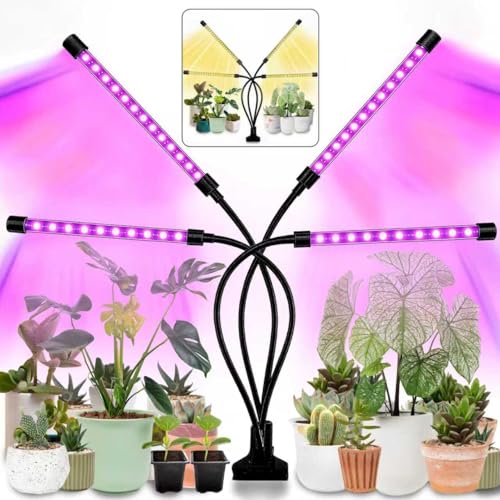
🌻Efficient LED Combination: This LED lamp has grow lights made up of 80 efficient growing LEDs ( 32 red lights, 12 blue lights,20 yellow lights and 16 white lights). It meets the conditions of plant growth without sunlight. 1--Full Spectrum(380nm-800nm): Suitable for all plants to root and sprout. 2--Red(660nm)+BLUE(460nm) Spectrum: for blooming and fruits. 3--Red+Blue+Full Spectrum: A mix of Red+Blue+Warm White is best to fuel the growth of your plants.
Types of Grow Lights
- Fluorescent Grow Lights: Ideal for seedlings as they emit a cool spectrum of light that promotes strong root development.
- LED Grow Lights: Energy-efficient and suitable for all growth stages of tomatoes, providing the necessary light spectrum.
- High-Intensity Discharge (HID) Grow Lights: Powerful lights that mimic natural sunlight, promoting robust growth in tomato plants.
- Seed Starting Trays: These trays help organize seeds efficiently and allow for easy transplanting once seedlings are ready.
- Biodegradable Seed Pots: Eco-friendly options that can be planted directly into larger containers or the ground, reducing transplant shock.
- Seed Starting Mix: A lightweight soil mix specifically designed to promote healthy germination and early growth of tomato seeds.
- Humidity Domes: Covers that maintain moisture levels and create a greenhouse-like environment for optimal seedling growth.
By ensuring you have these essential supplies on hand, you’ll set yourself up for success when starting tomato seeds indoors under grow lights.
Step-by-Step Guide to Planting Tomato Seeds
Setting Up Your Grow Lights
When setting up your grow lights for starting tomato seeds indoors, ensure they are positioned correctly above the seed trays. Hang the grow lights about 2-3 inches above the seedlings to provide adequate light for germination and growth. It’s essential to adjust the height as the seedlings grow to prevent them from becoming leggy or burnt by excessive light.
Planting and Watering Techniques
To plant your tomato seeds, fill seed starting trays with a moistened seed starting mix. Make small indentations in the mix using your finger or a pencil, then place one or two seeds in each indentation. Cover the seeds lightly with more mix and gently water them using a spray bottle or a watering can with a fine rose attachment.
After planting, keep the soil consistently moist but not waterlogged to prevent damping off disease. You can cover the trays with humidity domes or plastic wrap to maintain moisture levels until germination occurs. Once the seeds have sprouted, remove the coverings and continue watering gently to keep the soil evenly moist.
By following these steps diligently, you’ll create an ideal environment for your tomato seeds’ successful germination and growth under indoor grow lights.
Caring for Your Indoor Tomato Seedlings
After setting up your indoor tomato seedlings under grow lights, it’s crucial to monitor their light exposure and ensure proper watering and fertilizing practices to support healthy growth.
Recommended Products

Upgraded Grow Light with Stand: This indoor grow light is equipped with a adjustable tripod stand extendable from 15 inches to 48 inches , just set it at desired height for your preferred use, you can stand it on the floor and adjust the gooseneck at the desired angle according to the needs of the plant.

6000K Daylight Full Spectrum- Packed with 40 white and 8 red LEDs, this growth light throws a crisp 6000K beam that reads like real sunshine indoors. Built for flowers, herbs, peppermint, succulents, and seed starting, and flexible enough for hanging baskets, trellises, floor pots, and bonsai alike.

OPTIMIZED FOR SEEDLINGS & VEG PLANTS: The indoor plant light features a scientifically designed diode layout and a high-performance LED driver, delivering 11000 lumens for optimal seedling and vegetative growth, ensuring your plants thrive at every stage
Monitoring Light Exposure
Check that your tomato seedlings receive adequate light by positioning the grow lights about 2-3 inches above the plants. Adjust the height as needed to maintain this distance as the seedlings grow. Aim for around 14-16 hours of light per day to simulate sunlight conditions for optimal growth.
Watering and Fertilizing
Water your tomato seedlings when the top inch of soil feels dry to the touch, ensuring not to let them dry out completely or become waterlogged. Use room-temperature water to avoid shocking the plants. When watering, do so gently at the base of the plants to prevent splashing on leaves which can lead to disease issues.
For fertilizing, start with a diluted liquid fertilizer once your seedlings have their first true leaves. Follow the instructions on the fertilizer package carefully and apply every 7-10 days as recommended. Avoid over-fertilizing as it can harm your plants rather than help them thrive.
By closely monitoring light exposure, watering correctly, and providing suitable fertilization, you’ll set up your indoor tomato seedlings for robust growth leading towards a successful harvest.
Troubleshooting Common Problems
If you encounter issues while starting tomato seeds indoors with grow lights, here are some tips to help you address them effectively.
Managing Disease and Pests
Inspect your seedlings regularly for any signs of disease or pests. If you notice yellowing leaves, spots, or wilting, it could indicate a problem. Here’s what you can do:
- Preventive Measures: Ensure proper air circulation around the seedlings by not overcrowding them. Keep the growing area clean and free from debris that may harbor pests.
- Natural Remedies: Consider using organic solutions like neem oil or insecticidal soap to combat common pests such as aphids or whiteflies without harming your plants.
Dealing With Poor Germination
Low germination rates can be frustrating but are manageable with these steps:
- Check Seed Quality: Before planting, assess the viability of your seeds by performing a simple germination test. This will help you identify if there are any issues with the seeds themselves.
- Adjust Temperature and Moisture: Ensure that the environment is conducive to germination by maintaining consistent warmth and moisture levels. You can use a seedling heat mat to provide steady bottom heat for optimal germination conditions.
By staying vigilant against diseases and pests while also addressing poor germination issues promptly, you’ll set yourself up for success in starting tomato seeds indoors with grow lights.
Conclusion
Starting tomato seeds indoors with grow lights opens up a world of possibilities for your gardening journey. By selecting the right seeds, setting up proper lighting, and following essential care practices, you’re on your way to nurturing healthy tomato seedlings. Remember to monitor light exposure, water diligently, and provide necessary nutrients for optimal growth. Troubleshoot any issues that may arise with confidence using the tips provided. With dedication and attention to detail, you’ll soon enjoy the fruits of your labor as your indoor tomato plants flourish. Happy gardening!
Frequently Asked Questions
Q: Why is seed selection important for indoor tomato gardening?
A: Selecting the right tomato seeds ensures that you choose varieties suited to your preferences and space, leading to a successful indoor garden.
Q: How do I evaluate seed quality for indoor tomato planting?
A: Assess seed quality by purchasing from reputable suppliers known for high-quality seeds and checking for signs of damage or age before planting.
Q: What are the key steps to planting tomato seeds indoors?
A: Plant tomato seeds indoors by setting up grow lights correctly, using proper planting techniques, and following appropriate watering practices for successful germination.
Q: How should I care for indoor tomato seedlings after planting?
A: Care for indoor tomato seedlings by monitoring light exposure, practicing proper watering techniques, and providing appropriate fertilization to support healthy growth.
Q: What should I do if my indoor tomato plants face common problems?
A: Troubleshoot issues like disease, pests, or poor germination by implementing preventive measures, using natural pest remedies, checking seed quality, and adjusting environmental conditions.
