

Tired of seeing your tomato plants struggle with early blight? Wondering how to save your precious crop from this pesky disease? Picture this: you’ve put in all the hard work, only to have your plants plagued by unsightly spots and wilting leaves. But fret not, as help is on the way!
Key Takeaways
- Early blight is a common fungal disease affecting tomato plants, characterized by dark spots on leaves and wilting.
- Prevent early blight by choosing resistant tomato varieties, proper planting techniques, and implementing crop rotation.
- Treat early blight with fungicidal treatments containing chlorothalonil or copper fungicides, organic remedies like neem oil, and cultural practices such as proper plant spacing.
- Maintain healthy tomato plants through regular monitoring for symptoms, ensuring proper air circulation, soil testing for pH levels, providing adequate sunlight and balanced nutrients.
Understanding Early Blight in Tomato Plants
Early blight is a common fungal disease that affects tomato plants, leading to dark spots on the leaves and causing them to wilt. Understanding this plant condition is crucial for effectively managing it and safeguarding your tomato crop.
What Is Early Blight?
Early blight, caused by the fungus Alternaria solani, primarily impacts tomato plants during warm, humid weather conditions. It manifests as small, dark lesions with concentric rings on the lower leaves of the plant. As the disease progresses, these spots enlarge and spread upwards towards newer growth.
Causes and Symptoms of Early Blight
The primary cause of early blight is the fungus Alternaria solani present in soil debris or infected plant material. The spores of this pathogen spread through splashing water or wind, infecting tomato plants through their leaves’ stomata.
Symptoms of early blight include circular brown spots with yellow halos on older leaves first. These spots gradually expand into target-like rings, leading to leaf yellowing and eventual wilting. In severe cases, premature defoliation can occur, impacting fruit development and overall plant health.
By recognizing these symptoms early on and understanding how early blight spreads, you can take proactive measures to prevent its occurrence or manage it effectively if detected in your tomato plants.
Preventative Measures to Avoid Early Blight
To protect your tomato plants from early blight, consider the following preventative measures:
Recommended Products

🍅 Early Girl Tomato Seeds produce vigorous plants known for early harvests and steady fruit production throughout the season. This variety delivers smooth, round red tomatoes with balanced flavor, making it a reliable choice for home gardens focused on consistent summer harvests.

Grow your garden with heirloom vegetable and fruit seeds! Our selection includes non-GMO tomato, pepper, cucumber, carrot, lettuce, zucchini, and more. Perfect for home gardening, container gardening, and beginners. Add variety and grow vegetables and fruits from seeds and transform your garden into a lush, bountiful haven. Ideal for indoor and outdoor planting. Start your gardening journey today!

1 Package = 10 Seeds
Choosing Resistant Tomato Varieties
Select tomato varieties that are resistant to early blight. Look for cultivars specifically bred to withstand fungal diseases like Alternaria solani. Examples include ‘Defiant’ and ‘Mountain Magic,’ known for their resistance to various tomato plant diseases.
Proper Planting Techniques
Ensure proper spacing between tomato plants to promote airflow and reduce humidity, creating an environment less favorable for early blight development. Plant tomatoes in well-draining soil under full sunlight to minimize moisture on leaves, a key factor in early blight proliferation.
Importance of Crop Rotation
Implement crop rotation by avoiding planting tomatoes or other susceptible crops in the same location each year. Rotate with non-related crops like beans or corn to break the disease cycle as Alternaria solani can survive in soil debris. This practice helps prevent the buildup of fungal spores that cause early blight.
Effective Treatment Options for Early Blight
When dealing with early blight on your tomato plants, there are several effective treatment options available to help you combat this fungal disease. By implementing the right strategies, you can protect your tomato crops and promote healthy plant growth.
Recommended Products

Control fungus and disease in your garden with Captain Jack’s Liquid Copper Fungicide Concentrate!

Neudorff Copper Fungicide Controls Listed Plant Diseases: Powdery Mildew, Rusts, Black Spot, Leaf & Fruit Spot, Downy Mildew, Fruit Rot, Late Blight, Peach Leaf Curl and Other Listed Diseases.

Control plant common plant diseases in your home garden with Copper Fungicide Spray or Dust from Bonide!
Fungicidal Treatments
To address early blight effectively, consider using fungicidal treatments that are specifically designed to target the fungus causing the disease. Products containing active ingredients like chlorothalonil or copper fungicides can help control the spread of early blight on your tomato plants. Follow the instructions on the product label carefully for best results.
Organic Remedies
If you prefer organic solutions, there are eco-friendly remedies that can help manage early blight on your tomato plants. Neem oil, a natural fungicide derived from neem trees, can be an effective option for controlling fungal diseases like early blight. Additionally, baking soda mixed with water and applied to the foliage can help suppress the growth of fungal spores.
Cultural Practices to Combat Blight
In addition to using treatments, incorporating cultural practices into your gardening routine can also aid in combating early blight. Proper plant spacing allows for better air circulation around the plants, reducing humidity levels and minimizing conditions favorable for disease development. Regularly removing affected leaves and debris from the garden helps prevent the spread of spores and reduces the risk of infection among healthy plants.
By combining fungicidal treatments, organic remedies, and cultural practices, you can effectively manage early blight on your tomato plants and safeguard your crop against this common fungal disease. Remember to stay proactive in monitoring your plants for symptoms and take prompt action to prevent further spread of early blight.
Maintenance Tips for Healthy Tomato Plants
Recommended Products
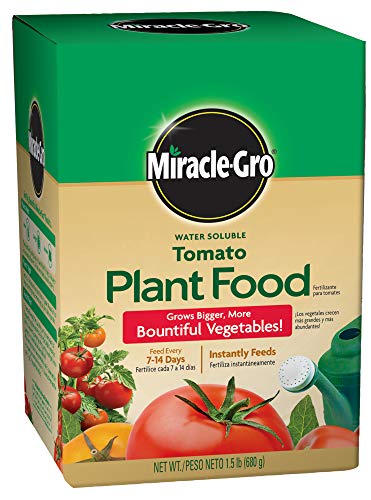
Instantly feeds to grow bigger, more bountiful vegetables versus. unfed plants

Contains natural ingredients to feed microbes in the soil

ORGANIC PLANT FOOD: This liquid fertilizer for tomatoes & vegetables provides nutrients to ensure superior results.
Regular Monitoring and Care
To maintain healthy tomato plants, it’s essential to conduct regular monitoring and care routines. Check your plants frequently for any signs of early blight, such as dark concentric rings on leaves or dark lesions with a target-like appearance. Promptly remove any affected plant parts to prevent the spread of the disease. Additionally, ensure proper air circulation around the plants by staking or caging them to reduce humidity levels, which can contribute to fungal growth. By staying vigilant and taking proactive measures, you can help keep your tomato plants healthy and thriving.
Soil and Nutrient Management
Effective soil and nutrient management play a crucial role in promoting the overall health of your tomato plants. Start by testing your soil to determine its pH level and nutrient content. Tomatoes thrive in slightly acidic soil with a pH range between 6.0 and 6.8. Amend the soil as needed by adding organic matter like compost or well-rotted manure to improve its structure and fertility.
When planting tomatoes, ensure they receive adequate sunlight (at least 6-8 hours per day) for optimal growth. Water the plants consistently but avoid overwatering, which can lead to root rot and other issues. Mulch around the base of the plants to help retain moisture, regulate soil temperature, and suppress weed growth.
Consider using balanced fertilizer formulations specifically designed for tomatoes to provide essential nutrients like nitrogen, phosphorus, and potassium throughout the growing season. Follow recommended application rates based on plant growth stages to avoid nutrient deficiencies or excesses that can negatively impact plant health.
By implementing proper soil testing, amending practices, watering techniques, and nutrient management strategies, you can create an ideal environment for your tomato plants to flourish and resist diseases like early blight effectively.
Conclusion
You now have a comprehensive understanding of early blight on tomato plants. Remember to stay vigilant for symptoms, choose resistant varieties, and follow proper planting techniques. Incorporate regular monitoring, ensure good air circulation, conduct soil tests, manage nutrients effectively, provide adequate sunlight and water appropriately. By implementing these strategies, you’ll create an optimal environment for your tomato plants to thrive and combat diseases successfully. Happy gardening!
Frequently Asked Questions
What is early blight and what causes it?
Early blight is a fungal disease that affects tomato plants, caused by Alternaria solani.
How does early blight spread?
Early blight spreads through spores, which can be carried by wind, water, or garden tools.
Why is early detection important?
Early detection of early blight is crucial to prevent the disease from spreading and causing significant damage to tomato plants.
What are some preventative measures for early blight?
Preventative measures include selecting resistant tomato varieties, proper planting techniques, and practicing crop rotation.
What treatment options are available for early blight?
Treatment options for early blight include fungicidal treatments and organic remedies to control the spread of the disease.
